Barog
town · 3.2 km away
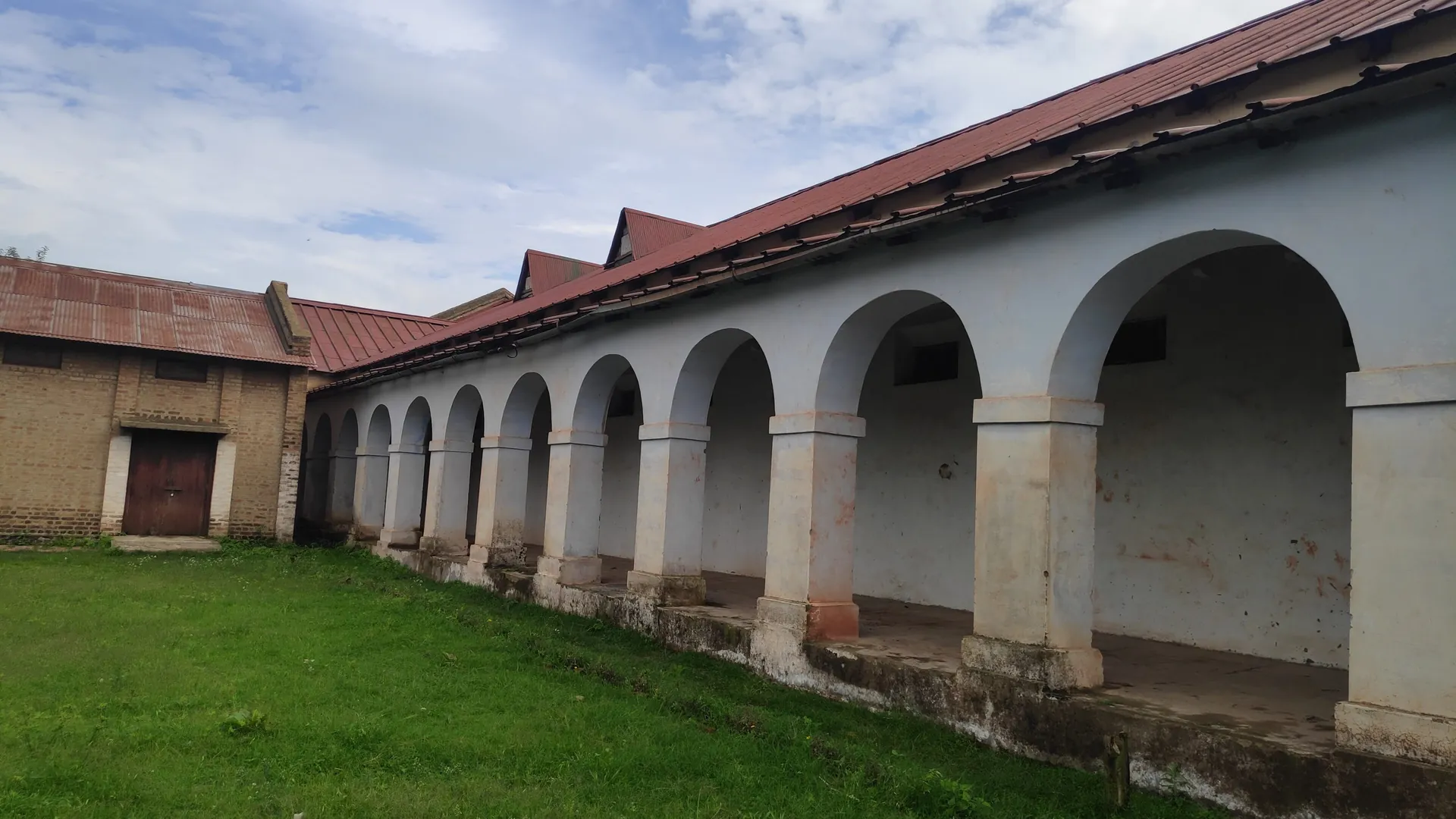
Among the oldest of Solan district's own cantonment towns, at 1,734 m, Dagshai sits astride the Kalka-Shimla highway on top of a hillock a drive from Kasauli. The East India Company founded it in 1847, securing five villages free of cost from Maharaja Bhupinder Singh of Patiala; the new cantonment took its name from the largest and most strategically located of the five.
About 30 minutes by road from Kasauli, roughly 15 km — the closer of the two proper day trips out of town.
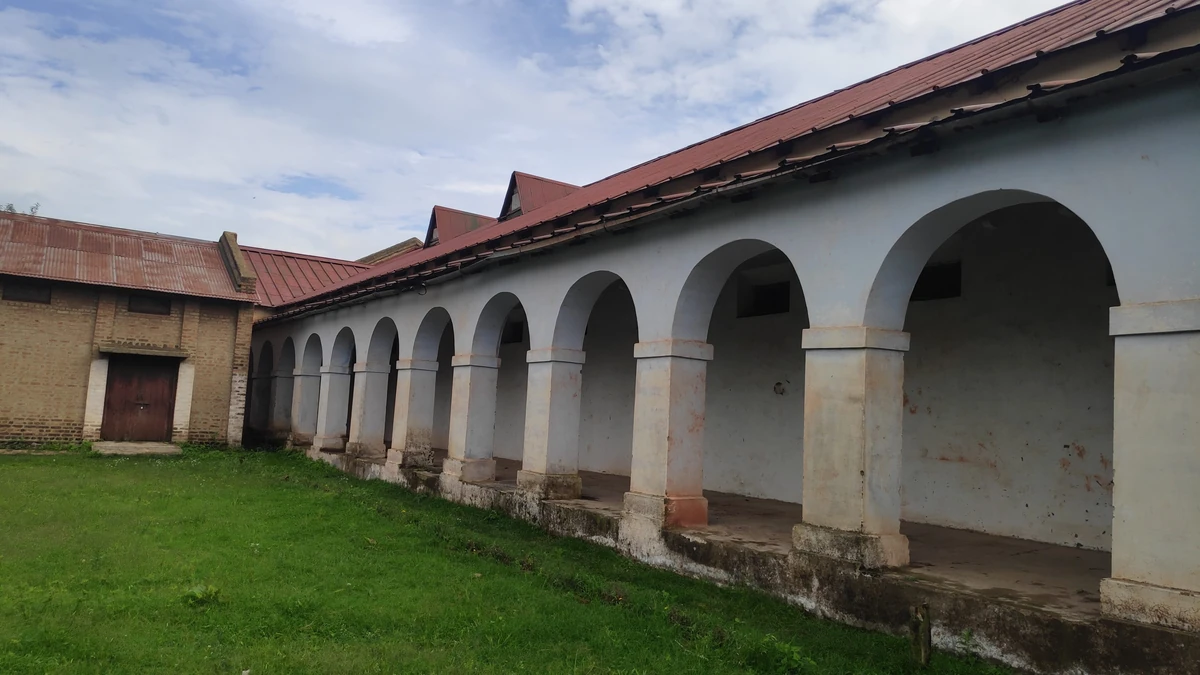
The Dagshai Central Jail, built in 1849 as a T-shaped building of local stone masonry with 54 tiny cells, is now open to visitors as a museum — one of the more distinctive colonial-era buildings in the district. Local legend traces the town's own name to daagh-e-shahi, a royal mark once branded on criminals sent here during Mughal times. The more prosaic explanation is simply that Dagshai was the largest of the five villages that made up the original cantonment.
> doing them together saves backtracking the same road twice.
March to May or October and November, matching the rest of the district's clearer, drier windows.
Barog, on the same day trip route, is the natural pairing — see the two-day plan from Kasauli. Closer to town, Christ Church and Sunset Point fill the shorter one-day loop instead.
Local legend traces the name to Mughal-era practice, when a royal mark, or daagh-e-shahi, was branded on the foreheads of criminals sent to this particular village. Over time the name gradually evolved into today's shorter Dagshai.
In 1847, when the East India Company secured five villages free of cost from Maharaja Bhupinder Singh of Patiala. The new cantonment was named after Dagshai itself, the largest and most strategically located village of the whole original five villages.
A T-shaped building of local stone masonry with 54 tiny cells, built in 1849 as the Dagshai Central Jail and now open to visitors as a museum. It's one of the more distinctive colonial-era buildings surviving in this stretch of Solan district.