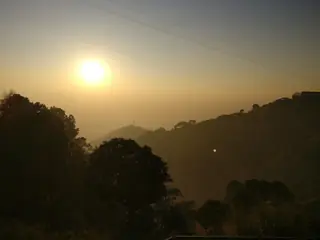
Sunset Point
viewpoint · 1.2 km away
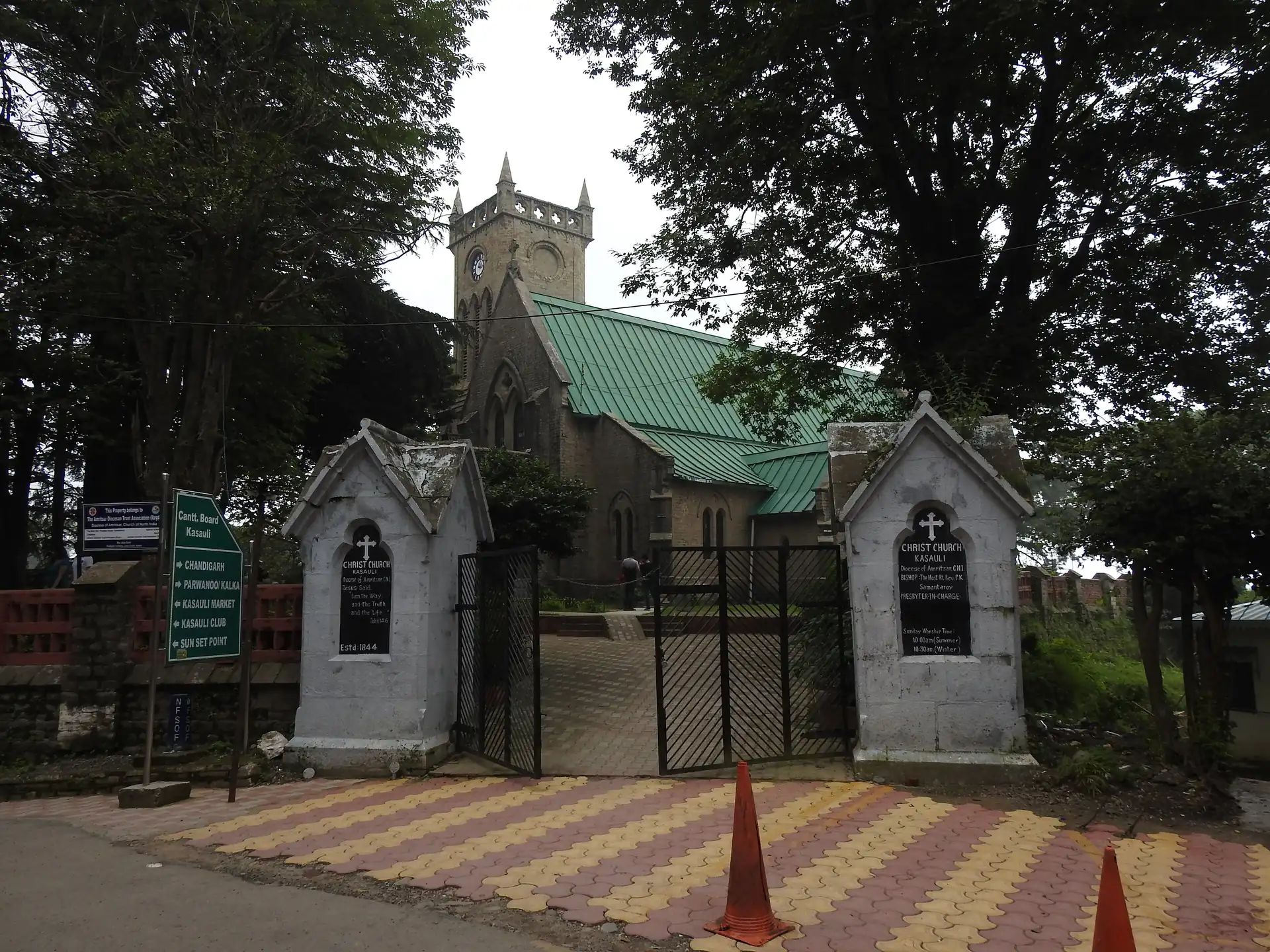
Close to Kasauli's bus stand, Christ Church was originally an Anglican church, its foundation stone laid on 26 October 1844 by Dr. Daniel Wilson, the Metropolitan Bishop of Calcutta. Regular worship began on 24 July 1853, once the building was finally complete enough to use. Since 1970 it has come under the Church of North India, diocese of Amritsar.
About 4 minutes by road from central Kasauli, roughly 2 km — close enough to the bus stand that many visitors simply walk over.
The church tower was raised in the 1880s and fitted with a public clock imported from W.H. Bailey & Co of Manchester, England — a distinctive piece of Victorian engineering for a small hill-station church. It remains an active place of worship, drawing local families alongside visiting tourists rather than sitting as a purely historical monument.
> together that a taxi isn't really necessary for either.
March to May or October and November, matching the rest of Kasauli's clearer, drier windows — outside the humid monsoon and the coldest winter weeks.
Sunset Point and Monkey Point, both close by, fill out the one-day loop from Kasauli itself. Dagshai and Barog, further out, are the natural second day — see the two-day plan.
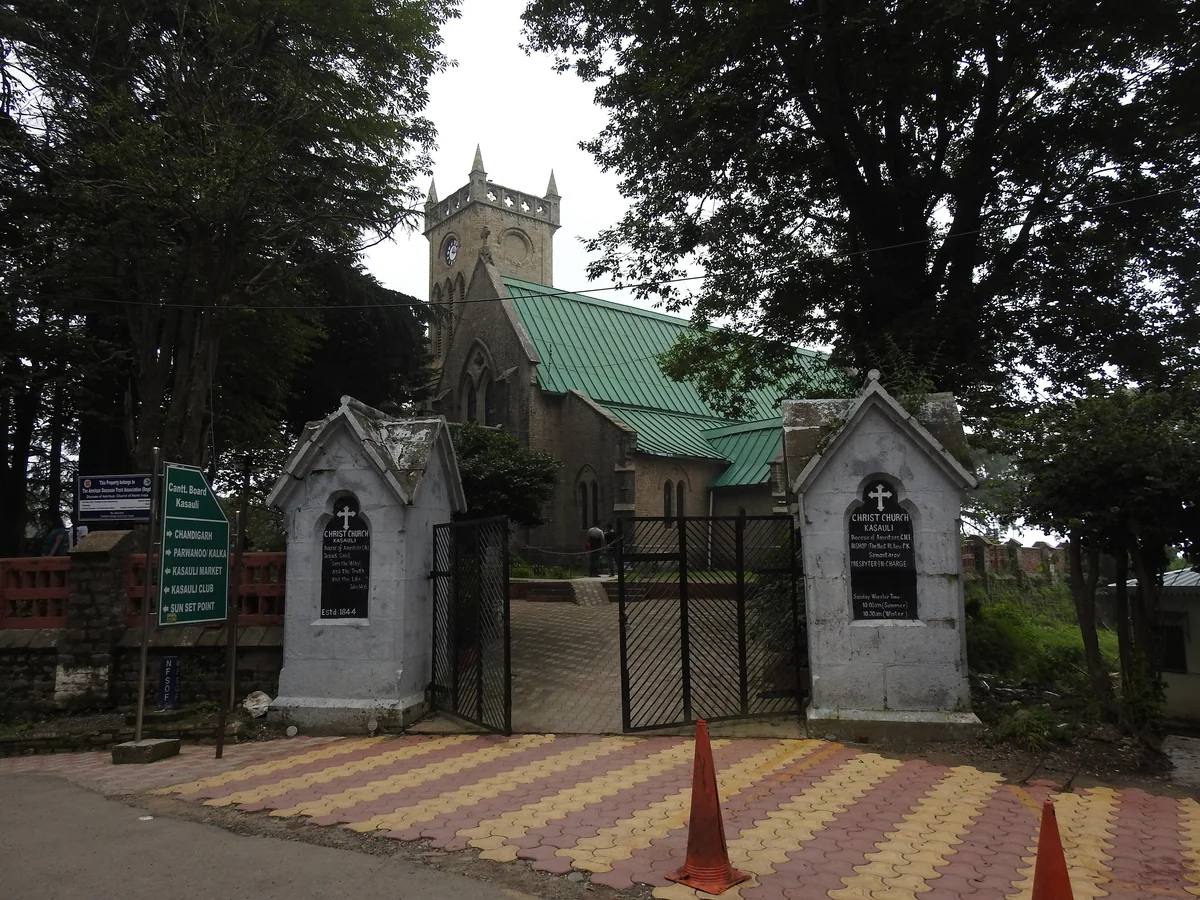
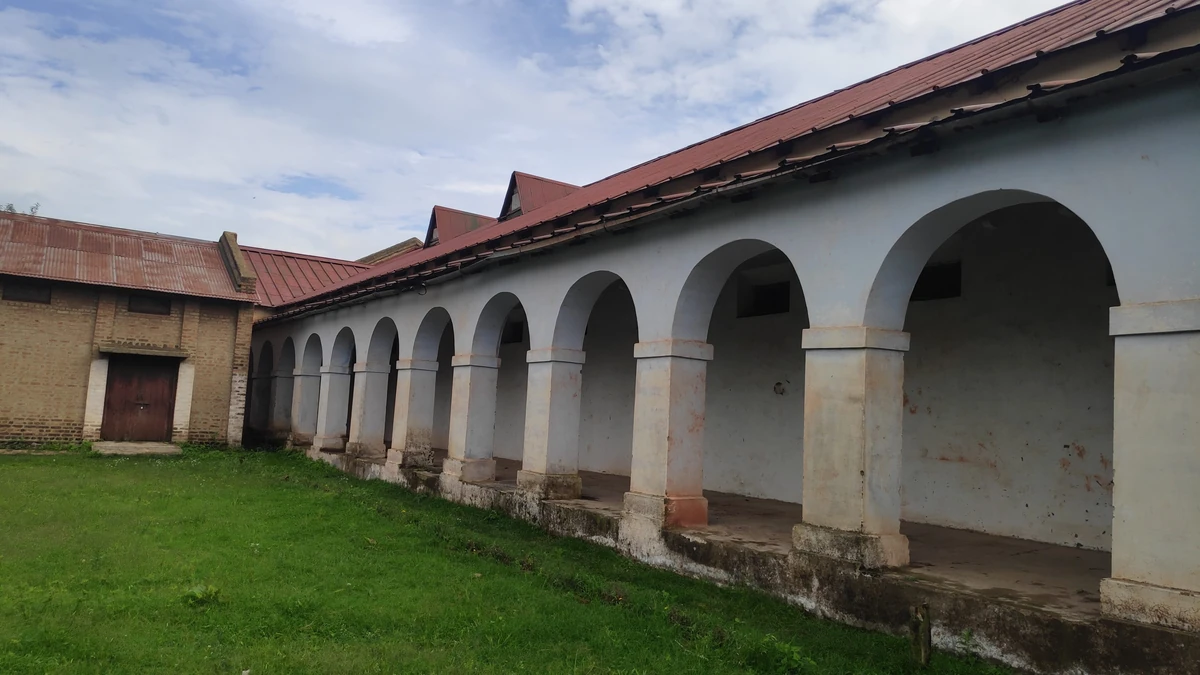
Its foundation stone was laid on 26 October 1844 by Dr. Daniel Wilson, the Metropolitan Bishop of Calcutta, though the building itself wasn't complete enough for regular worship until 24 July 1853, nearly a decade later than originally planned.
It came under the Church of North India in 1970, under the diocese of Amritsar, having previously been an Anglican church. It remains an active place of worship for local families as well as a regular stop for visiting tourists passing through.
It was raised in the 1880s and fitted with a public clock imported all the way from W.H. Bailey & Co of Manchester, England — a genuine piece of Victorian engineering shipped across the world to a small hill-station church.