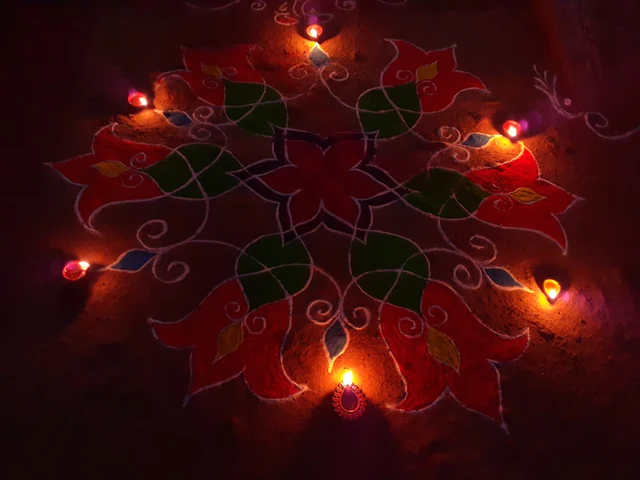
Deepavali before sunrise — the south begins Diwali at dawn
In Tamil Nadu, Deepavali is kept on Naraka Chaturdashi with an oil bath before dawn; Goa burns Narkasur effigies in the dark. In 2026 it falls on 8 November.
Checked on
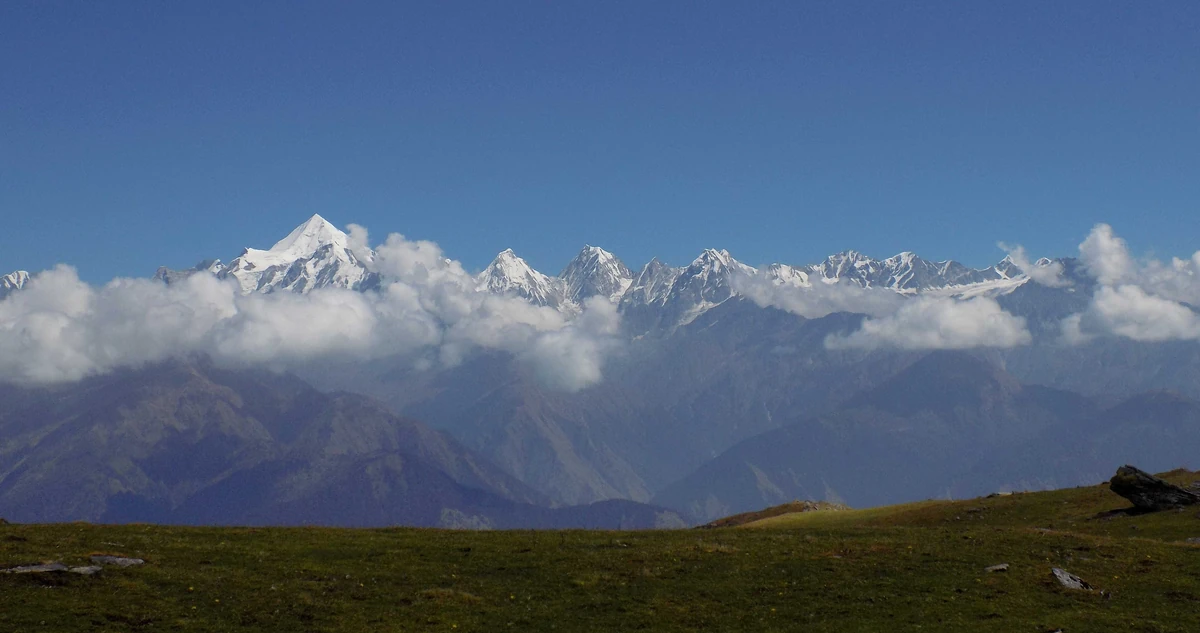
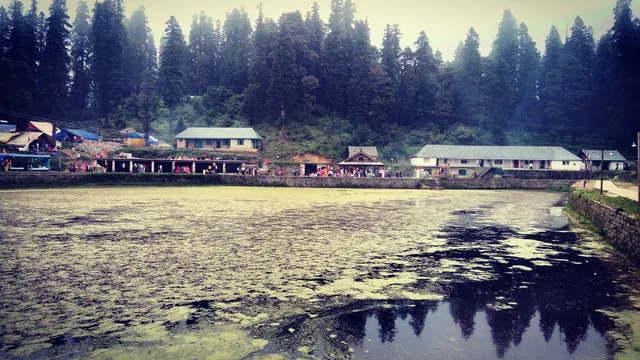
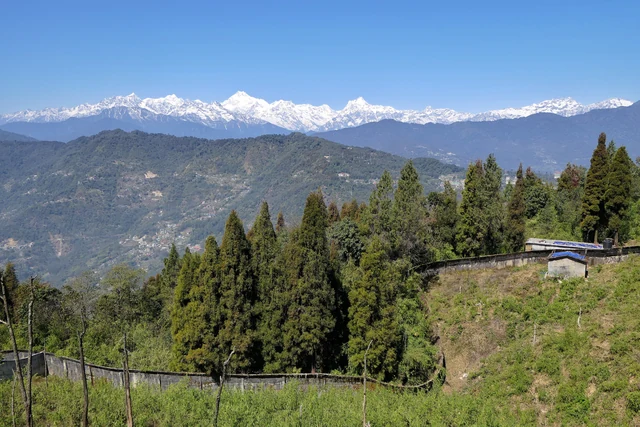
High in the deodar forest above the Balh valley of Mandi, at 3,334 m, a small lake lies beside the pent-roofed temple of Dev Kamrunag. The forest around it once marked the line between the old states of Mandi and Suket, and the Dhauladhar range shows on clear days. In July 2020 the state biodiversity board announced that the lake and its surroundings would be made a Biodiversity Heritage Site, for the medicinal plants and rare species around it.
Dev Kamrunag's story begins in the Mahabharata. Barbarika, son of Ghatotkacha, wanted to fight in the great war, and he promised his mother he would fight for whichever side was losing. Krishna, who knew the Kauravas would lose in the end, came to him dressed as a Brahmin and tested his arrows on the leaves of a peepal tree.
Then Krishna asked him for alms, and Barbarika promised to give whatever was asked. Krishna showed his true form and asked for his head. Barbarika gave it, and asked for one thing in return: to see the war. Krishna carried his head to the battlefield, and when the fighting was over he blessed him. His head would be worshipped as Khatu Shyam, and his body as Kamru. The district's own account calls Kamrunag a Yaksha king of the Mahabharata, whom the Pandavas worshipped.
When Dev Kamrunag grants a wish, the devotee comes back to thank him. The offering is cash, coins, or ornaments of gold and silver, given to the deity and then laid in the lake, as devotees have done for centuries. Nobody can say how much lies on the bottom: the district administration writes that it is not possible to estimate.
Nobody takes it, either. What has been given to Dev Kamrunag stays his, and the deity himself guards it.
Photos: Nomeshwer Sharma (CC BY-SA 4.0) — via Wikimedia Commons, resized.
Dev Kamrunag is the chief deity of Mandi district. Farmers and orchardists climb to him to pray for rain in good time and a good harvest, and locals call him the Lord of Rain. A fair is held at the lake every year on 14 June, and thousands of devotees make the climb for it. Couples who long for a child come to seek his blessing too.
There is no road to the lake. The usual path starts at Rohanda: about 6 km of steep mountain trail, three to four hours up, by the district's own page. A longer trek of about 16 km runs along the high pastures to the Shikari Devi temple, a full day on foot.
Snow covers the hill in winter, and the temple committee closes the temple for about four months; in January 2026 it was shut until April. Go between spring and autumn, and start early enough to be back on the road before dark.
Mandi's other high lake is Prashar Lake, with its floating island, and Rewalsar Lake is sacred to Hindus, Buddhists and Sikhs alike. Read things to do in Mandi, when to visit and how to reach Mandi.
Reels from these places: follow @himlocal.in on Instagram
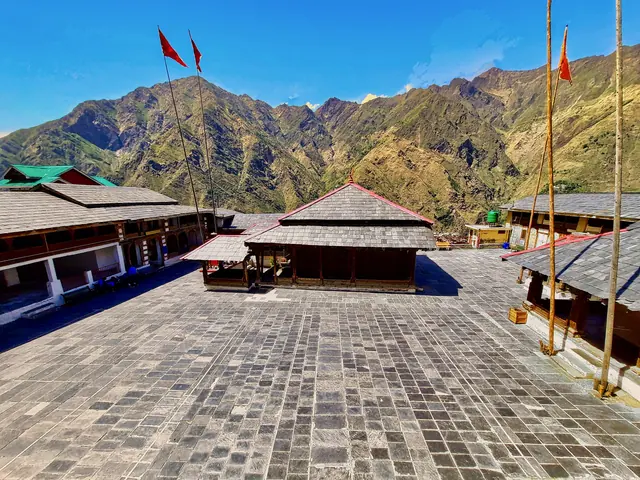
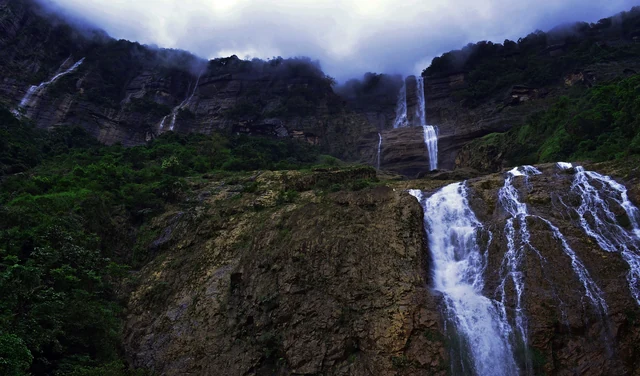
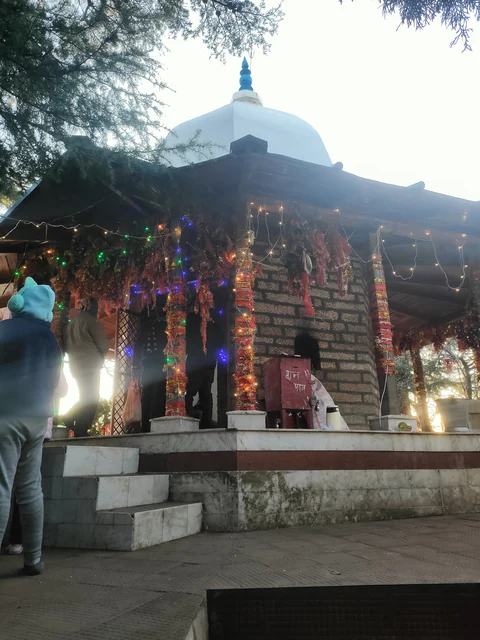
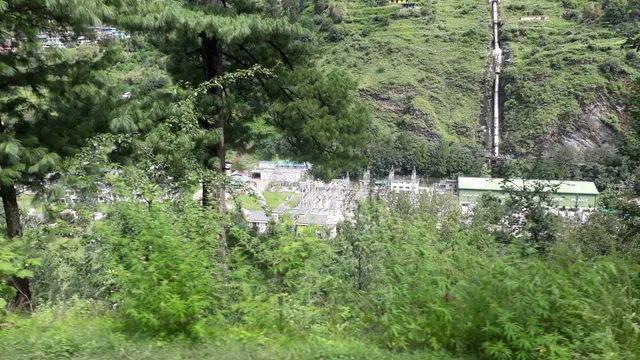
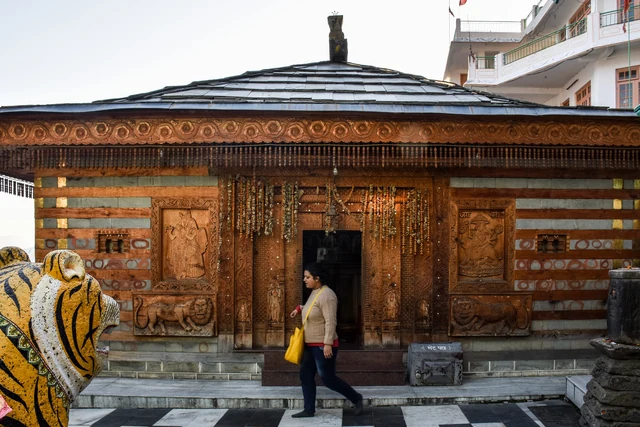
When Dev Kamrunag grants a wish, the devotee comes back to give thanks with cash, coins, gold or silver ornaments. The offering is made to the deity and then laid in the lake, as it has been for centuries. Nobody knows how much lies at the bottom, and nobody takes it, because the deity himself guards it.
The chief deity of Mandi district, called the Lord of Rain. He is Barbarika, son of Ghatotkacha, who gave his head to Krishna before the Mahabharata war and asked only to watch it. Krishna blessed him that his head would be worshipped as Khatu Shyam and his body as Kamru.
On foot. The district administration puts the path from Rohanda at about 6 km of steep mountain trail, three to four hours up. A longer trek of about 16 km over the high pastures links it with the Shikari Devi temple. The temple closes for about four months each winter, when snow covers the hill.