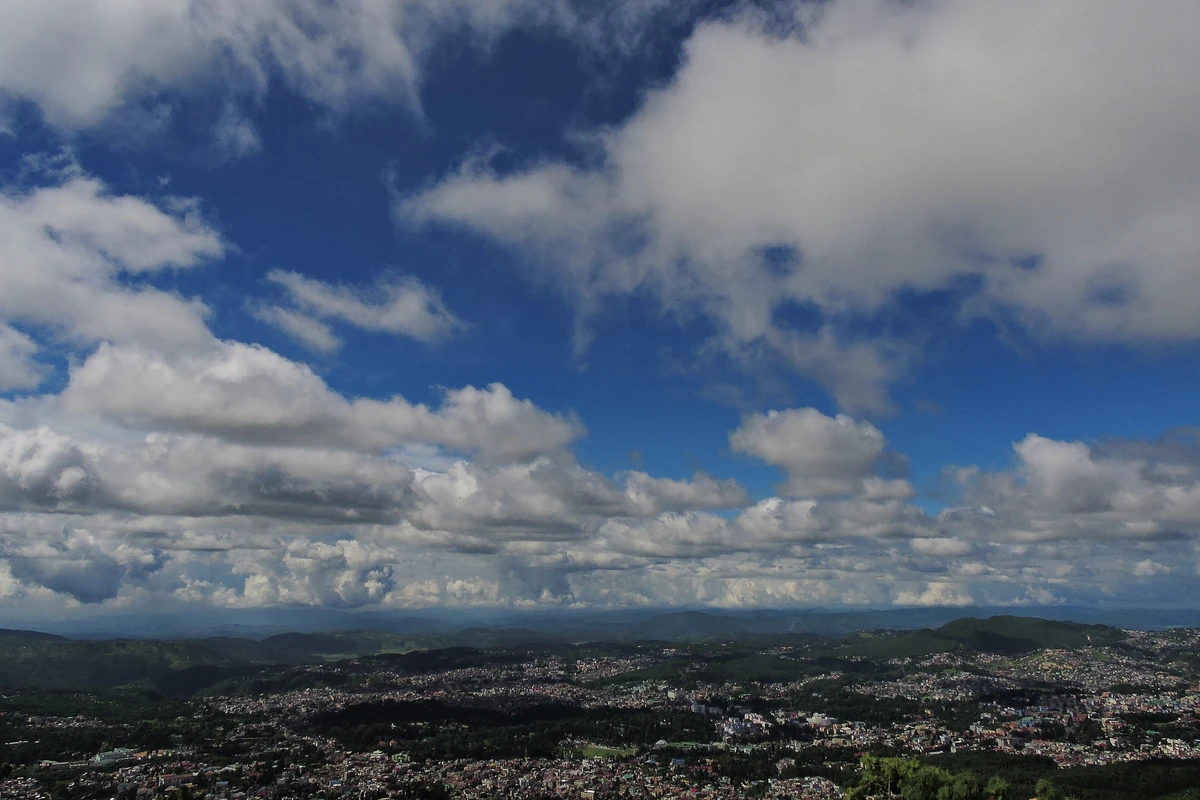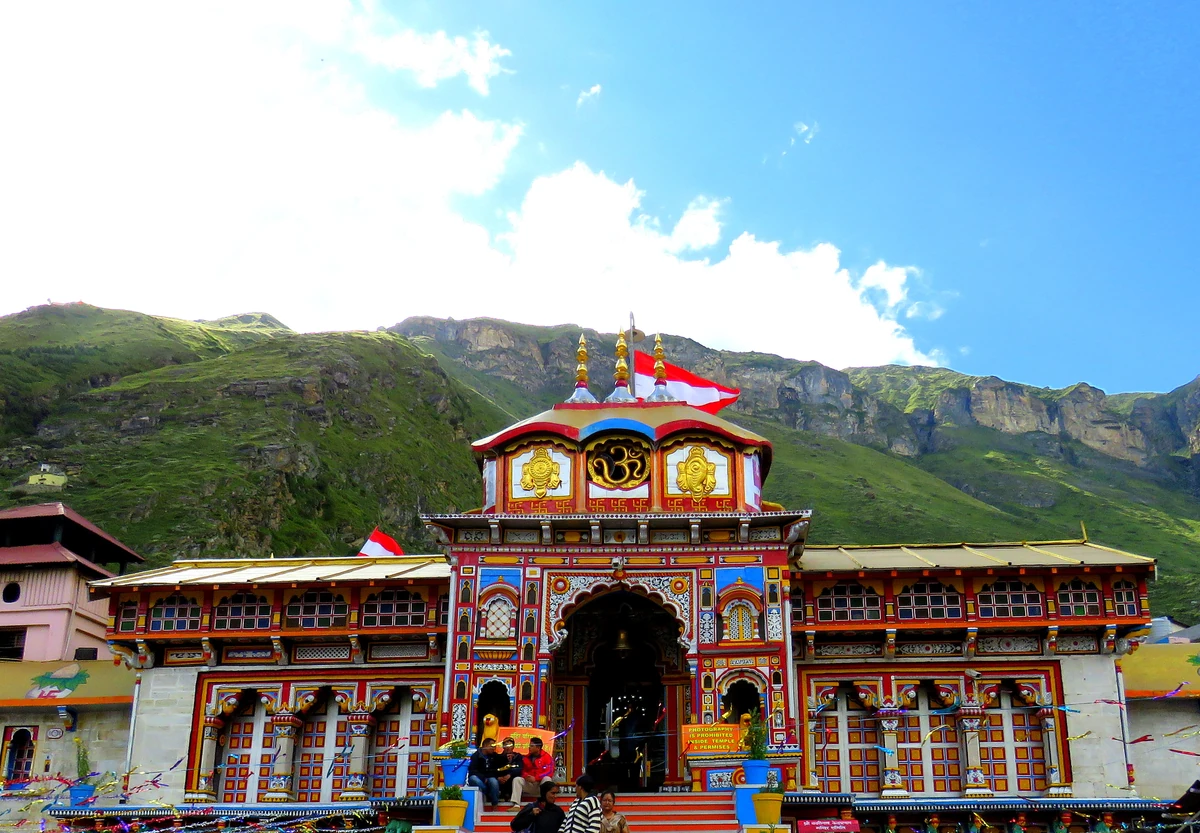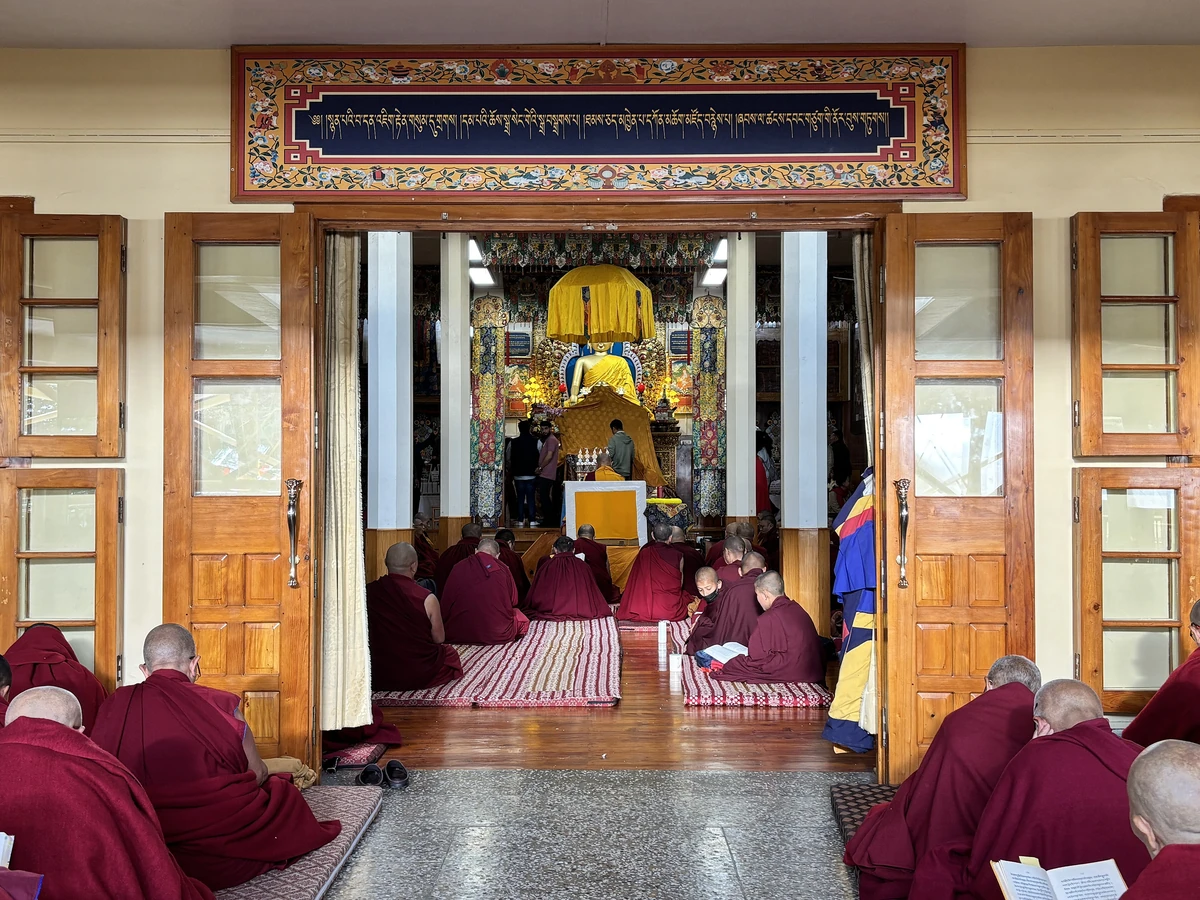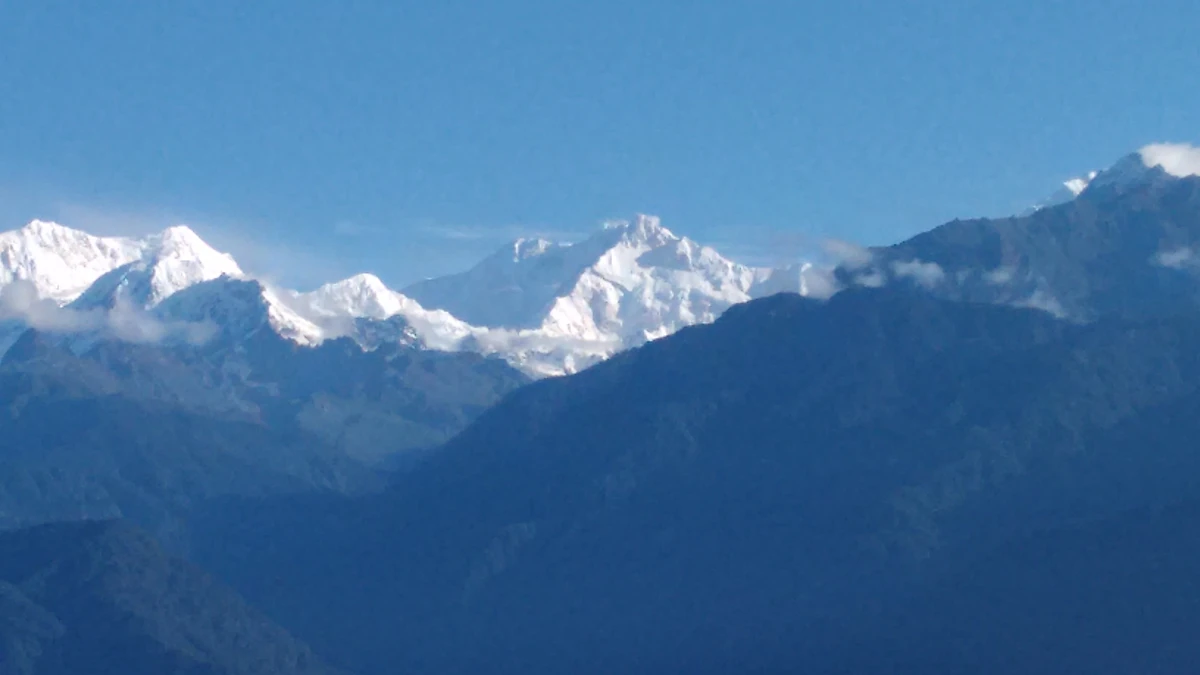
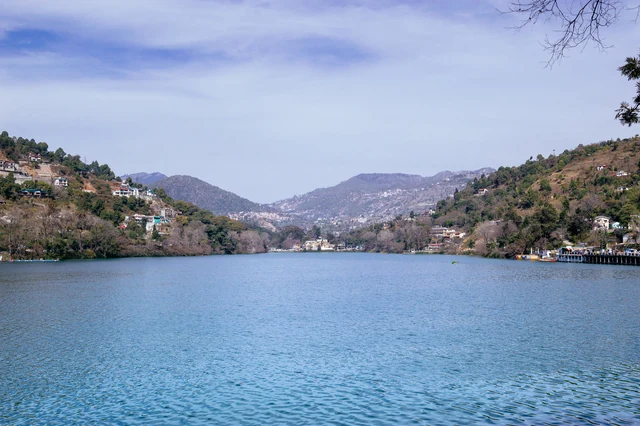
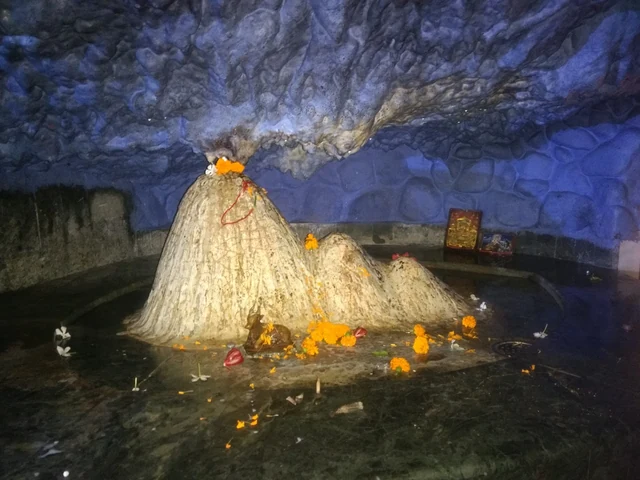
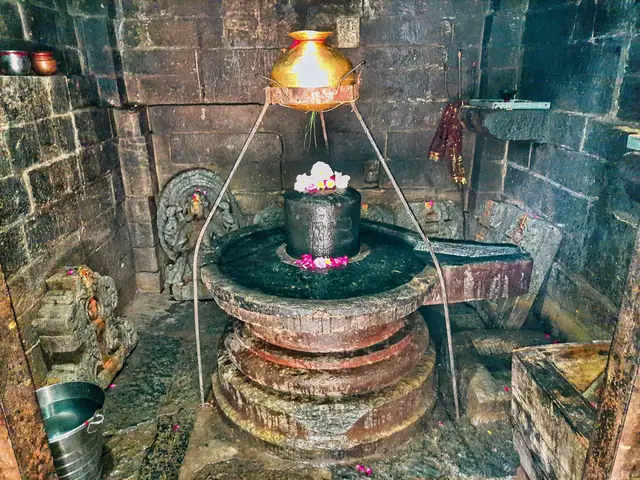
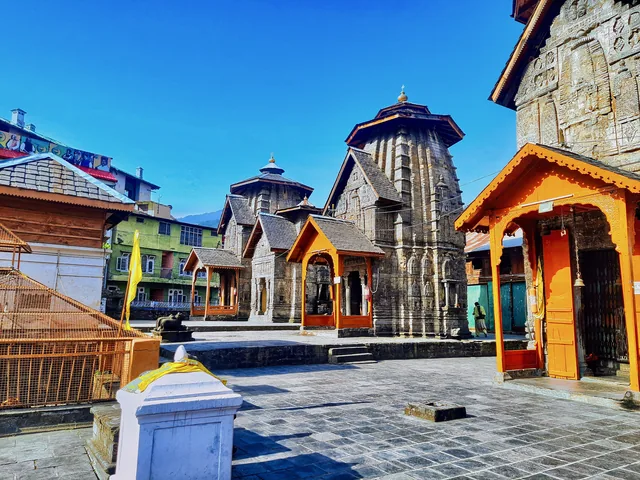
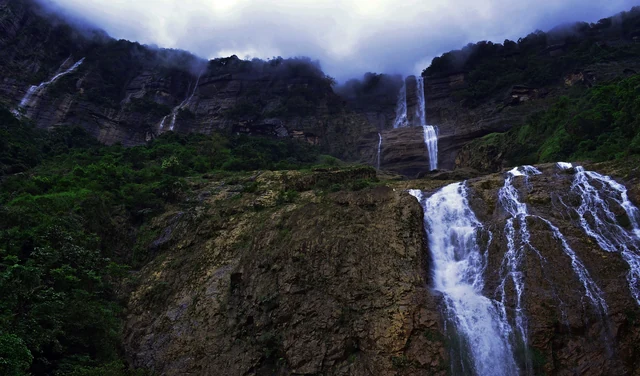
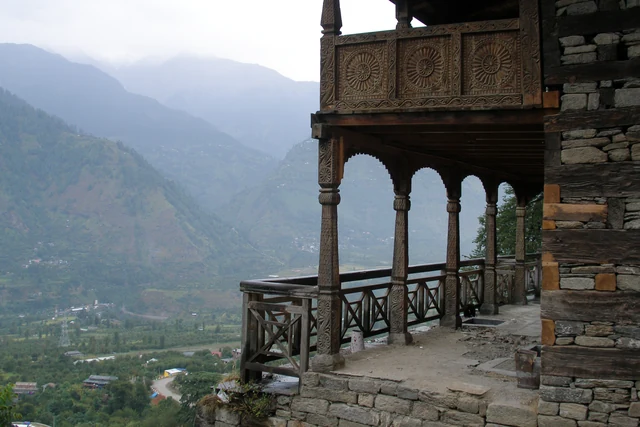
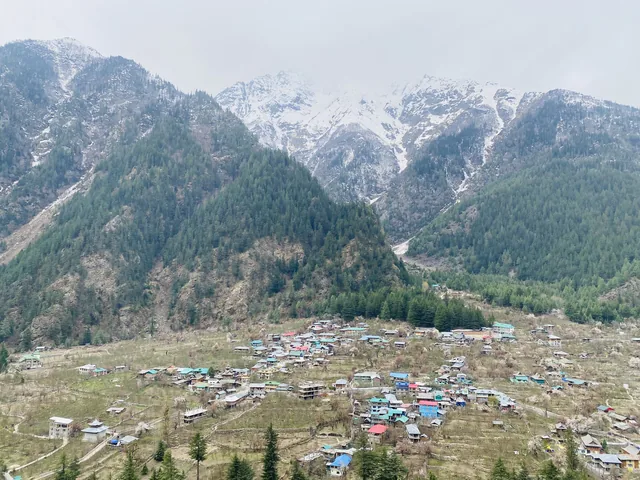
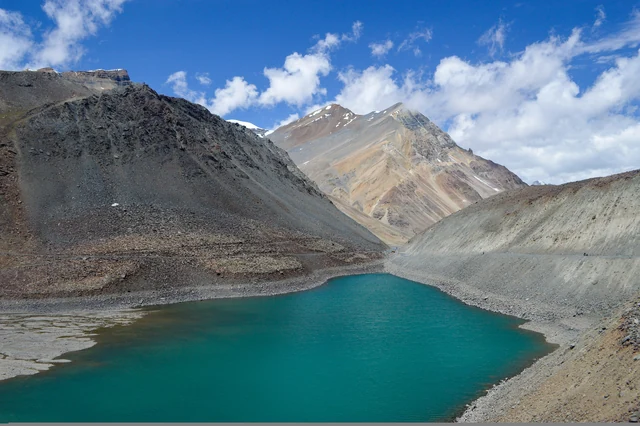
Suraj Tal and Baralacha La — the lake below the pass where four roads meet
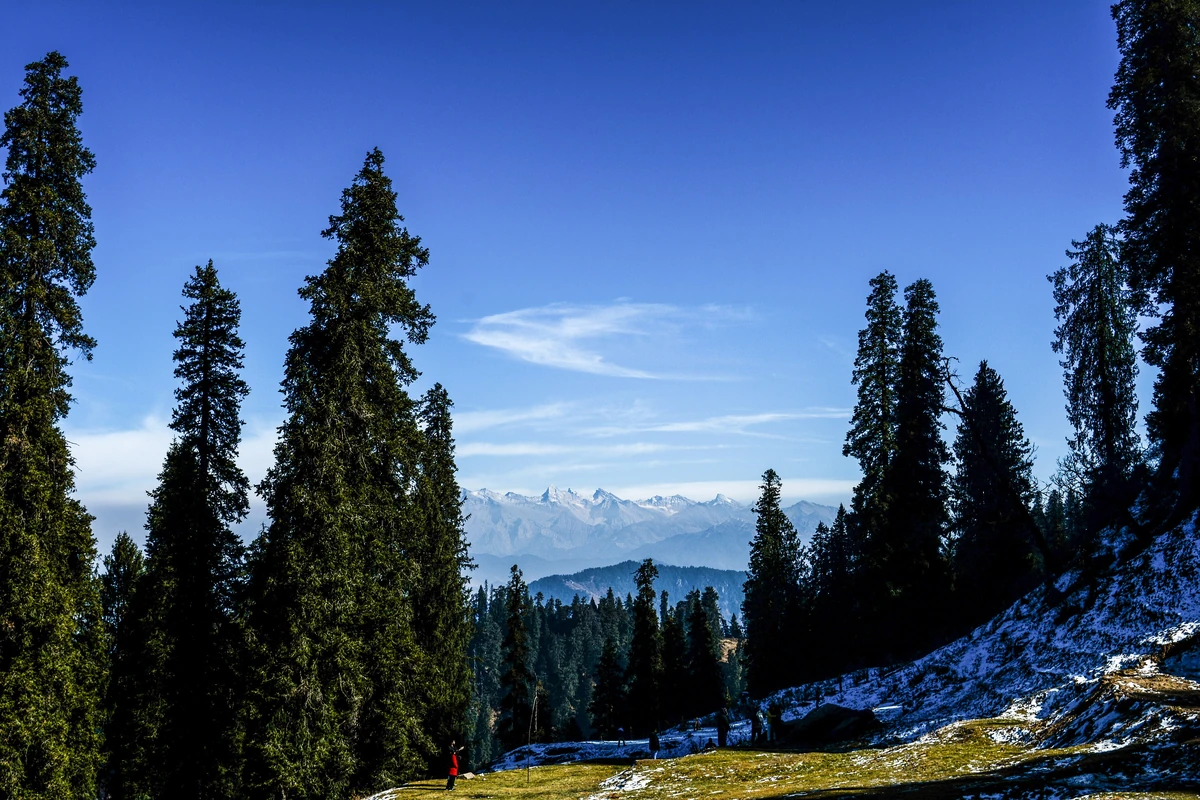
Suraj Tal, India's third-highest lake, lies below the 4,890 m Baralacha La on the Manali–Leh road, 65 km from Keylong, and is closed by snow November to April.
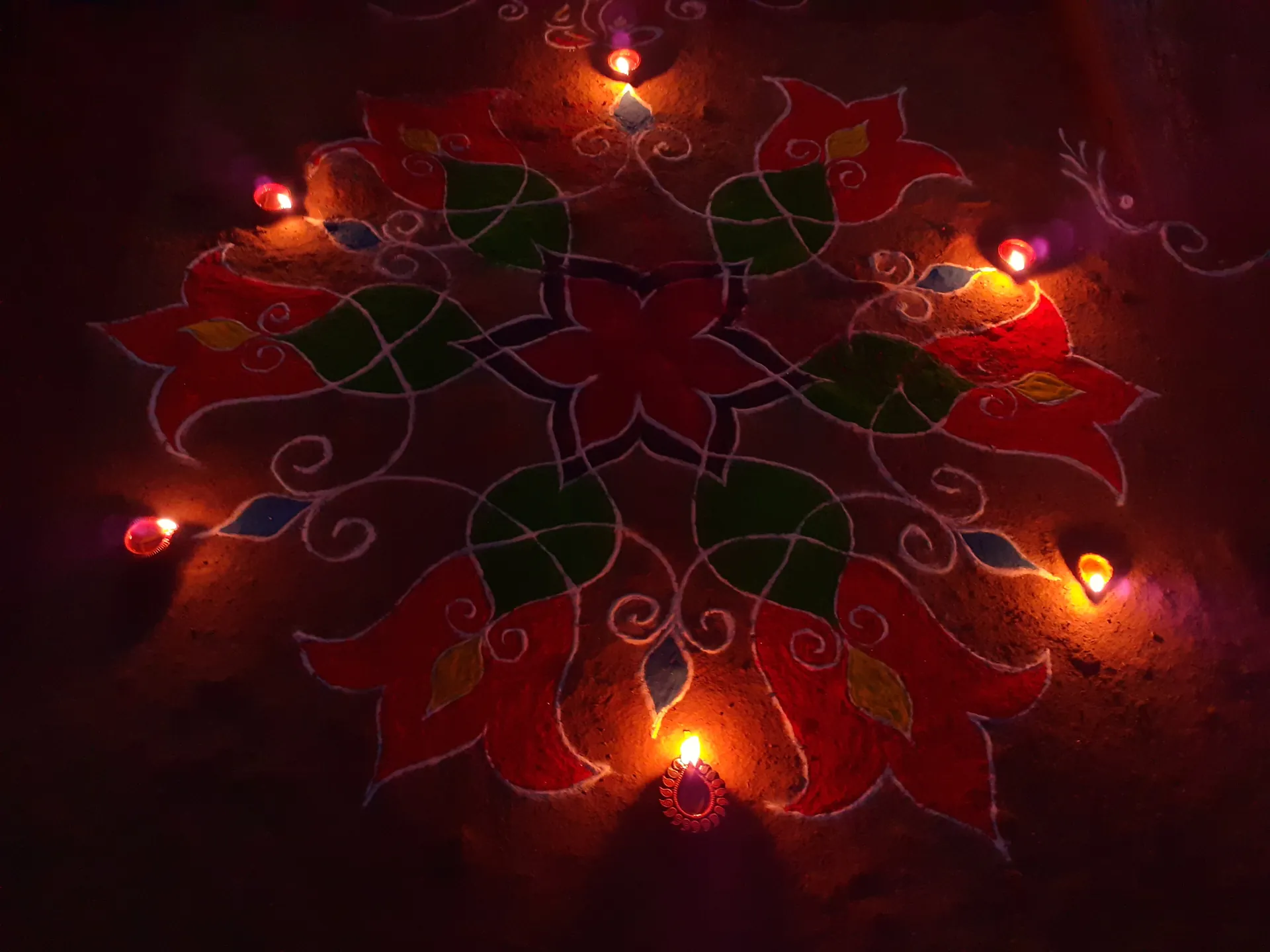
Ask most of north India when Diwali begins and the answer is the evening: lamps at dusk on the new moon, Lakshmi Puja, then the sky full of light. Ask in Tamil Nadu and the answer is the dark before sunrise. There, Deepavali is kept a day earlier, on Naraka Chaturdashi, and the first thing a family does is wake up while it is still night.
Naraka Chaturdashi is the fourteenth day of the waning moon in Ashvin or Kartika, depending on the calendar, and the second of the five days of Diwali. On this day Shri Krishna, with Satyabhama at his side, killed the demon Narakasura. The festival keeps that victory, and so its day begins early, with lamps, before the sun is up.
In Tamil Nadu, Deepavali is traditionally kept on Naraka Chaturdashi, while the rest of India keeps it on Amavasya, the new moon night, which comes the next day. Families get up earlier than usual for an oil bath, then aarti and pooja, and the festival goes on through the day. In some parts of South India the day is also called Deepavali Bhogi. Some Tamil homes keep a nombu, a vow, and do Lakshmi Puja on this day. Crackers usually follow on Deepavali.
In Goa the night before is for building. Paper effigies of Narakasura, stuffed with grass and firecrackers, go up in the streets. Early in the morning they are burnt and the crackers inside them burst. Then everyone goes home for a scented oil bath. Lamps are lit in a row, the women of the house perform aarti for the men, gifts are given, and a bitter berry, the kareet, is crushed underfoot for the killing of Narakasura. Then come many kinds of poha and sweets with family and friends.
In Karnataka and Maharashtra, Deepavali begins on Naraka Chaturdashi with an early-morning oil bath and aarti, followed by crackers. From there the festival runs on to Bali Padyami, the main day of Deepavali in these states, when cows are decorated and worshipped.
Photos: Portvp (CC BY-SA 3.0) · Mughal (Public domain) · Borkareklavya (CC0) · Nagagold (CC BY-SA 3.0) · humdingor (CC BY-SA 2.0) — via Wikimedia Commons, resized.
In 2026 the two Diwalis meet. By Drik Panchang, Tamil Deepavali falls on Sunday, 8 November 2026, and Lakshmi Puja in the north falls on the same Sunday. So the south's oil bath before sunrise and the north's lamps at dusk are the same day this year. Bath and puja times change from city to city; check a panchang for your own town.
Before Diwali come the full moon of Sharad Purnima and the fast of Karva Chauth. For more of India's stories, read how phulkari is embroidered from the back. Or browse every destination.
Because in Tamil Nadu Deepavali is kept on Naraka Chaturdashi, the day Shri Krishna and Satyabhama killed the demon Narakasura. Families get up earlier than usual for an oil bath, then aarti and pooja, while most of India keeps Deepavali the next evening, on the new moon night of Amavasya.
On Sunday, 8 November 2026, by Drik Panchang. In 2026 Lakshmi Puja in the north falls on the same Sunday, so the south's dawn and the north's dusk are one day. Bath and puja times change from city to city, so check a panchang for your own town before the morning comes.
It is the fourteenth day of the waning moon in Ashvin or Kartika, depending on the calendar, and the second day of the five days of Diwali. On this day Shri Krishna and Satyabhama killed the demon Narakasura. It is also called Choti Diwali, Narak Chaudas and Kali Chaudas in different parts of India.
Goans build paper effigies of Narakasura, stuffed with grass and firecrackers, and burn them early in the morning. Then people go home for a scented oil bath. Lamps are lit in a row, the women of the house perform aarti for the men, and a bitter berry, the kareet, is crushed underfoot for the killing of Narakasura.