Skiing in Himachal — Solang, Narkanda and Kufri, and when the snow holds
Where to ski in Himachal: Solang above Manali, Narkanda and Kufri above Shimla, the state institute's courses, and the January–February snow.
Checked on
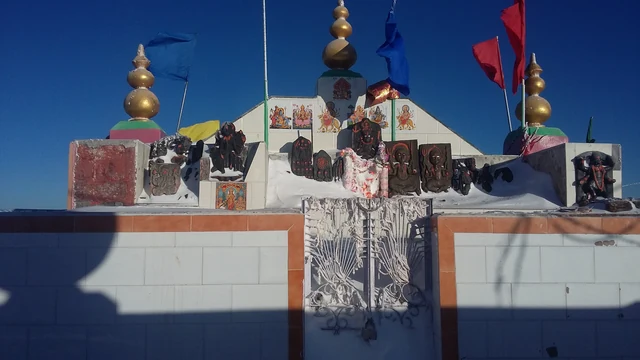
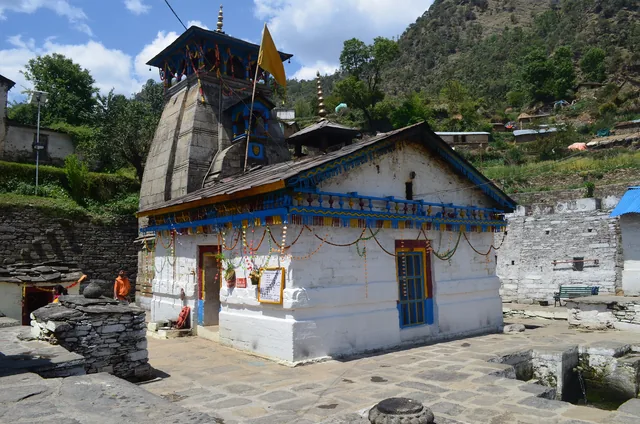
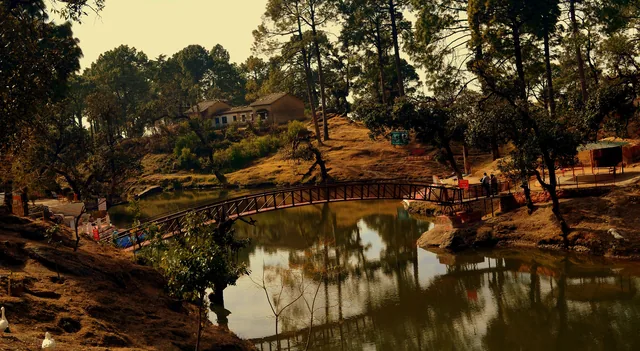
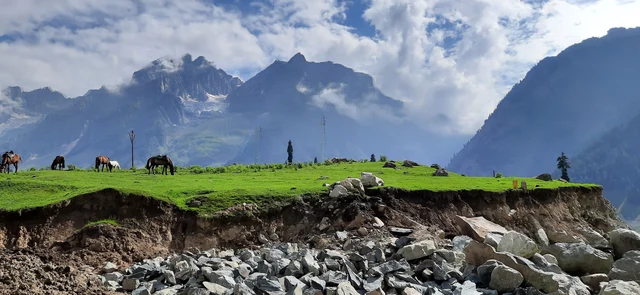
On the summit of Shikari peak, the highest point in Mandi district and called the Crown of Mandi, stands the shrine of Shikari Devi, the goddess of hunters, a form of Durga. Its height is given as 3,332.6 m by Wikipedia and 3,359 m by the district administration. Around it lies the Shikari Devi Sanctuary, a protected forest of oak and conifers, with wide meadows on the top.
The shrine is older than any record. During their exile, the Pandavas wandered the Himalayas, and on this peak they began to worship Shikari Devi and set up her shrine. One telling says a deer led them here while they were out hunting, and they knew it for the goddess herself, come to guide them.
Rishi Markandeya meditated on this peak for many years, and the goddess, pleased with his devotion, appeared to him. Local hunters once prayed to her for a good hunt and for safety from wild animals, and that is how she came to be called Shikari Devi.
Shikari Devi is worshipped under the open sky. People have tried, again and again over the years, to put a roof over her shrine, and no roof has stayed. The goddess wants the sky above her, not a ceiling.
In winter the snow on this hill lies several feet deep. Yet inside the temple there is none. The district administration records that no snow is seen in the temple's premises, even with no roof to keep it out, while all the hill around lies buried. Devotees know why: it is the power of the goddess.
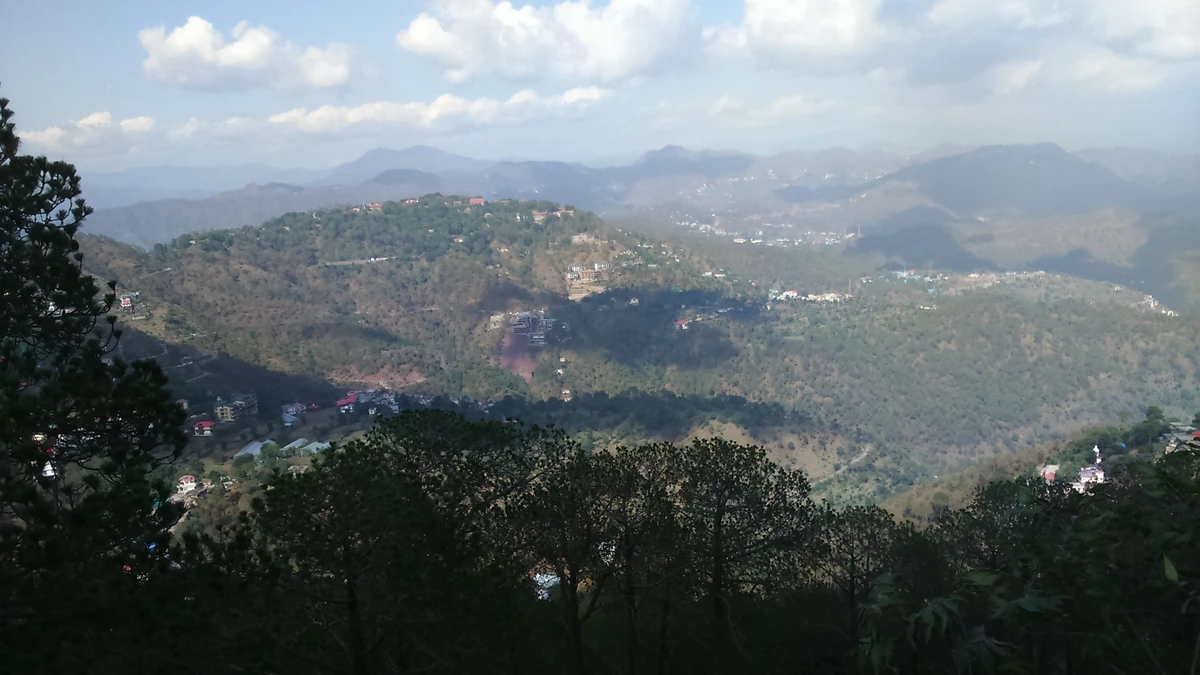
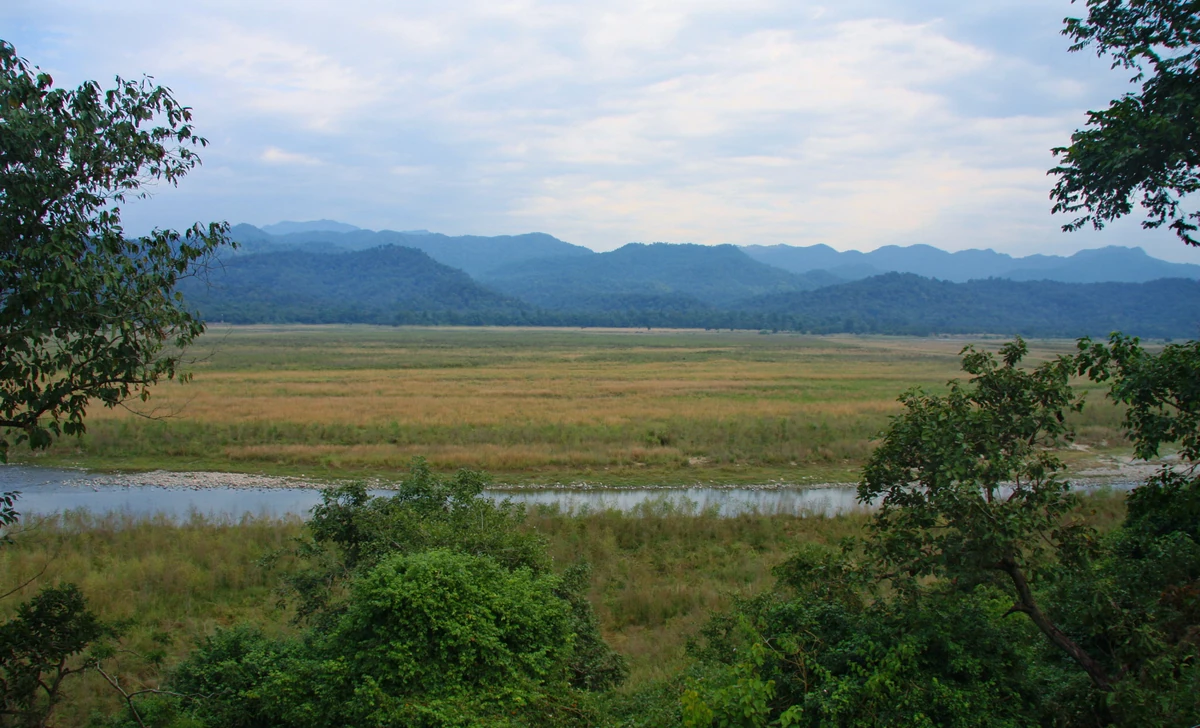
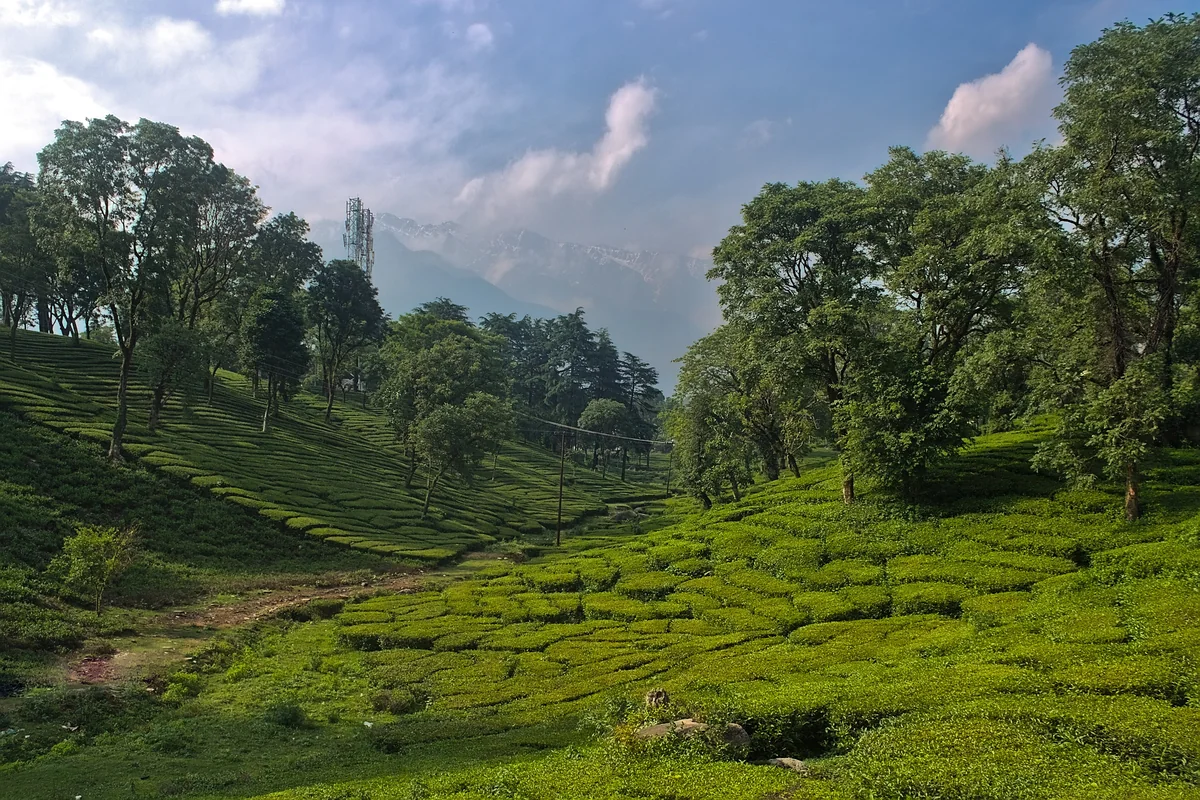
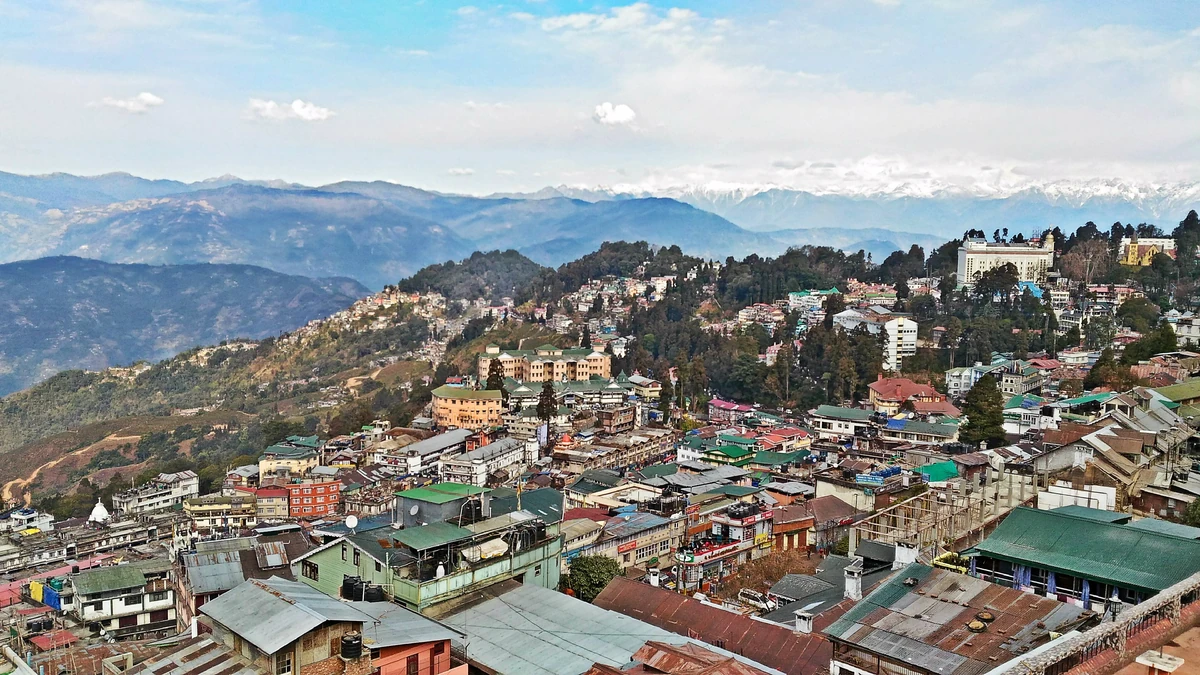
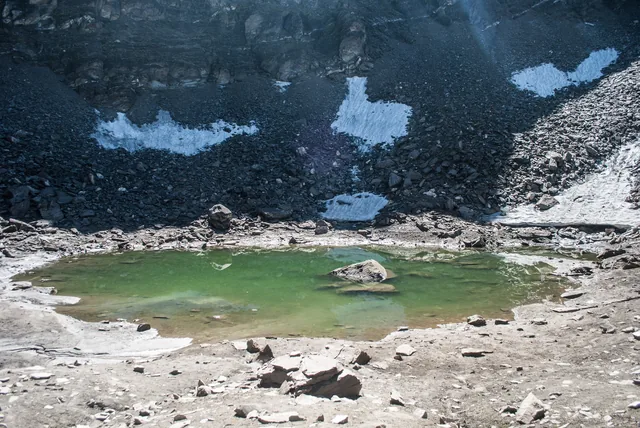
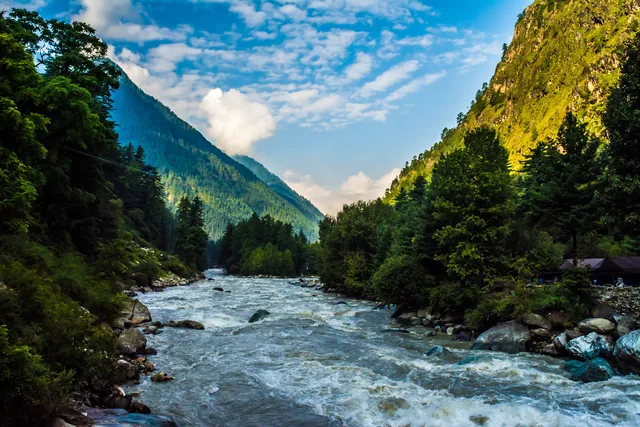
Photos: Prateek0007 (CC BY-SA 4.0) · Narender Sharma, Blue Particle Solutions (CC BY-SA 4.0) · Narender Sharma, Blue Particle Solutions (CC BY-SA 4.0) · Sunil Sharma (CC BY-SA 4.0) — via Wikimedia Commons, resized.
The temple fills during the two Navratris, in spring and in autumn. Devotees bring ghee lamps, coconuts and flags, and those whose wishes have come true often climb the last stretch barefoot.
From the top, on a clear day, the view runs over the valleys of Kangra and Kullu and along the snow ranges, from the Dhauladhar to Shrikhand Mahadev. Kamrunag can be seen across the ridges too.
Two forest roads climb the hill, one from Janjehli and one from Sanarli in the Karsog valley, each about 18 km of steep, narrow road through the forest. The district puts Karsog itself about 21 km from the temple. The last stretch to the shrine is on foot, up steps from the parking ground.
Walkers can go on to Kamrunag Lake: the district describes a day-long trek of about 16 km over the high pastures between the two.
Prashar Lake and Rewalsar Lake are Mandi's other sacred lakes. Read things to do in Mandi, when to visit and how to reach Mandi.
Reels from these places: follow @himlocal.in on Instagram
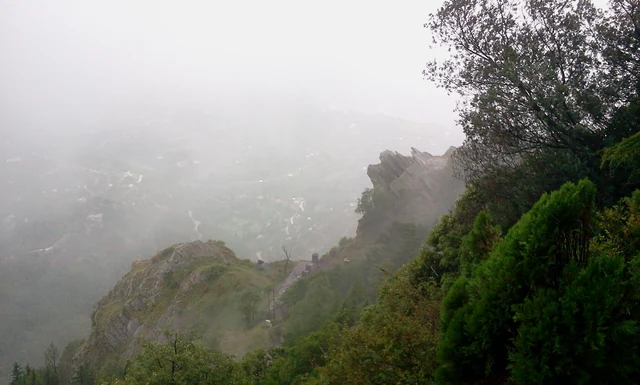
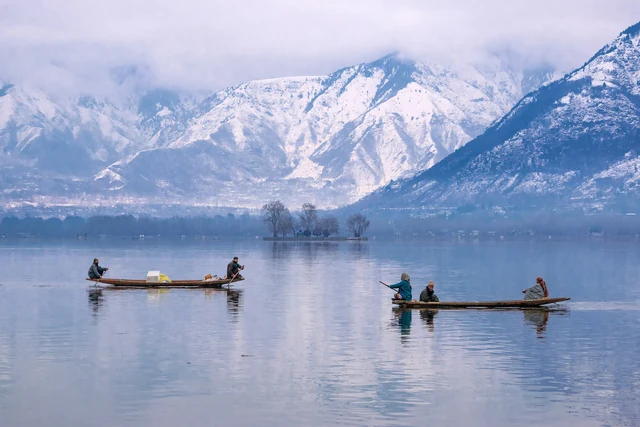
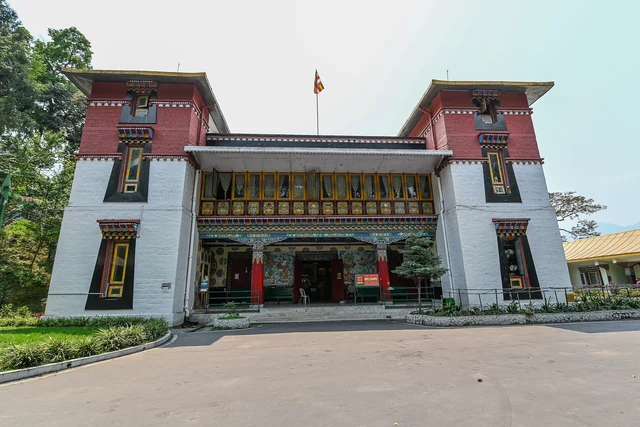
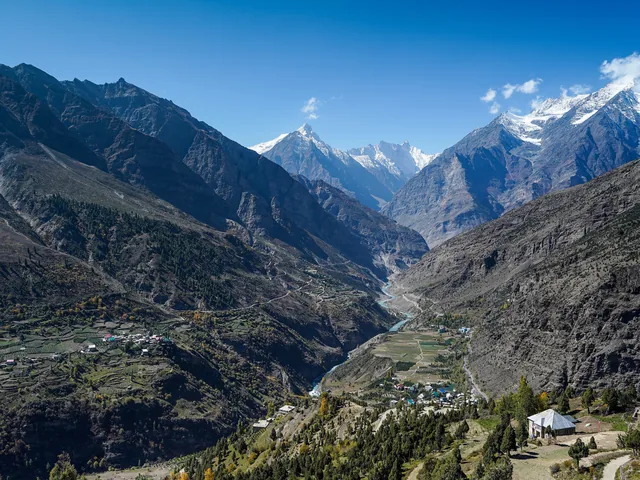

Because the goddess keeps the open sky as her canopy. Over the years people have tried to build a roof over the shrine, and none has ever stayed. So she is worshipped under the sky, on the top of Shikari peak, the highest point of Mandi district.
In winter the whole hill lies under several feet of snow, yet the temple's premises, and above all its inner shrine, stay free of it. The district administration notes that no snow is seen inside, though the temple has no roof. Devotees know it as the power of Shikari Devi herself.
By road from either side of the hill. A forest road of about 18 km climbs from Janjehli, and the same distance from Sanarli in the Karsog valley; the district puts Karsog itself about 21 km away. The roads are steep and narrow, and snow closes them for much of the winter.