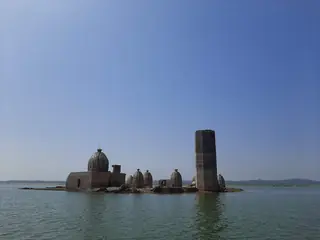
Maharana Pratap Sagar (Pong Dam lake)
lake · 51 min from Jwalamukhi
One day for the two sides of Jwalamukhi: the flame temple in the morning and the Pong reservoir in the afternoon, with the birds or the Bathu temples depending on the season.
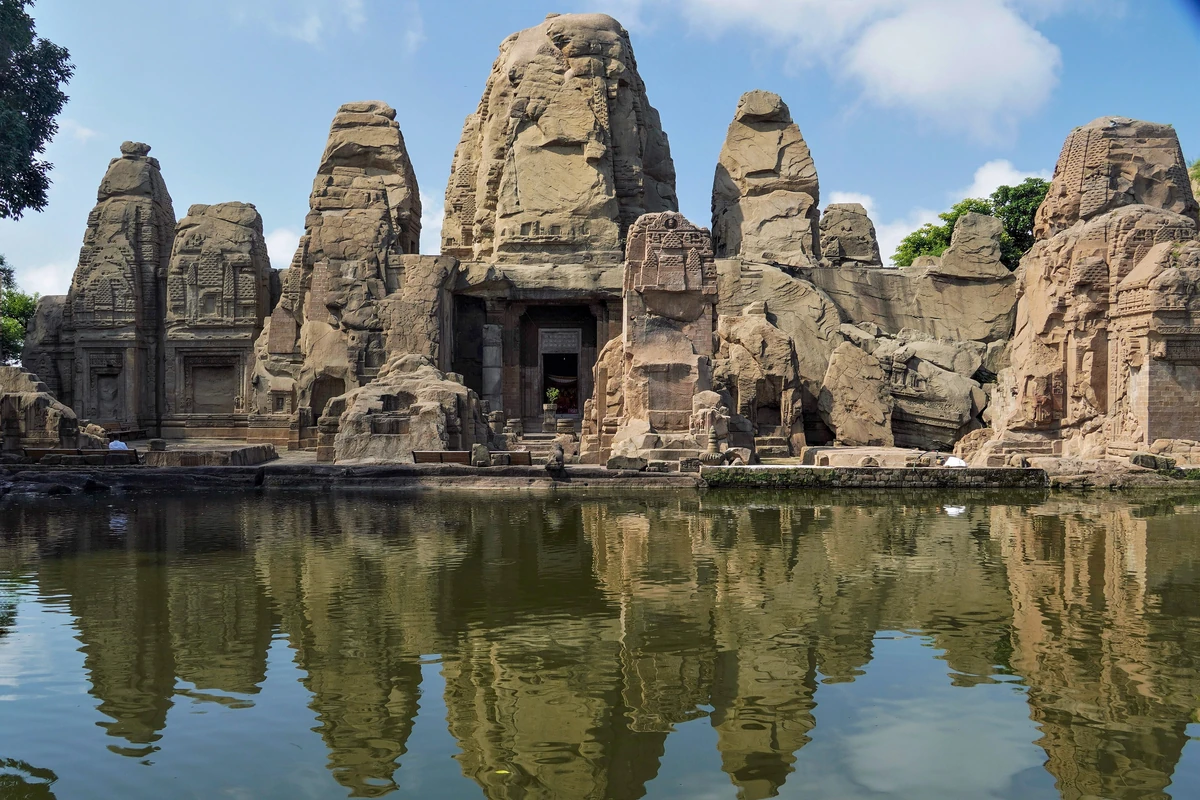
The Masrur temples need a morning of their own; the two-day plan adds them. Timing is in when to visit Jwalamukhi, and the stops are in things to do in Jwalamukhi.
Photos: Ms Sarah Welch (CC0) · Mywik2023 (CC BY-SA 4.0) — via Wikimedia Commons, resized.
Visitors coming from Chandigarh or Pathankot who want the temple and a wetland in one day.
The temple while it is quiet, then the drive to the reservoir and back.
Jwalamukhi is about 178 km from Chandigarh, roughly 197 minutes by car on our routing. See how to reach Jwalamukhi.
Stay in Jawalamukhi for the early start at the temple; the lake is a half-day out and back.
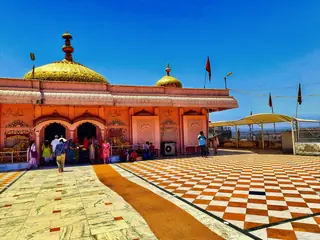
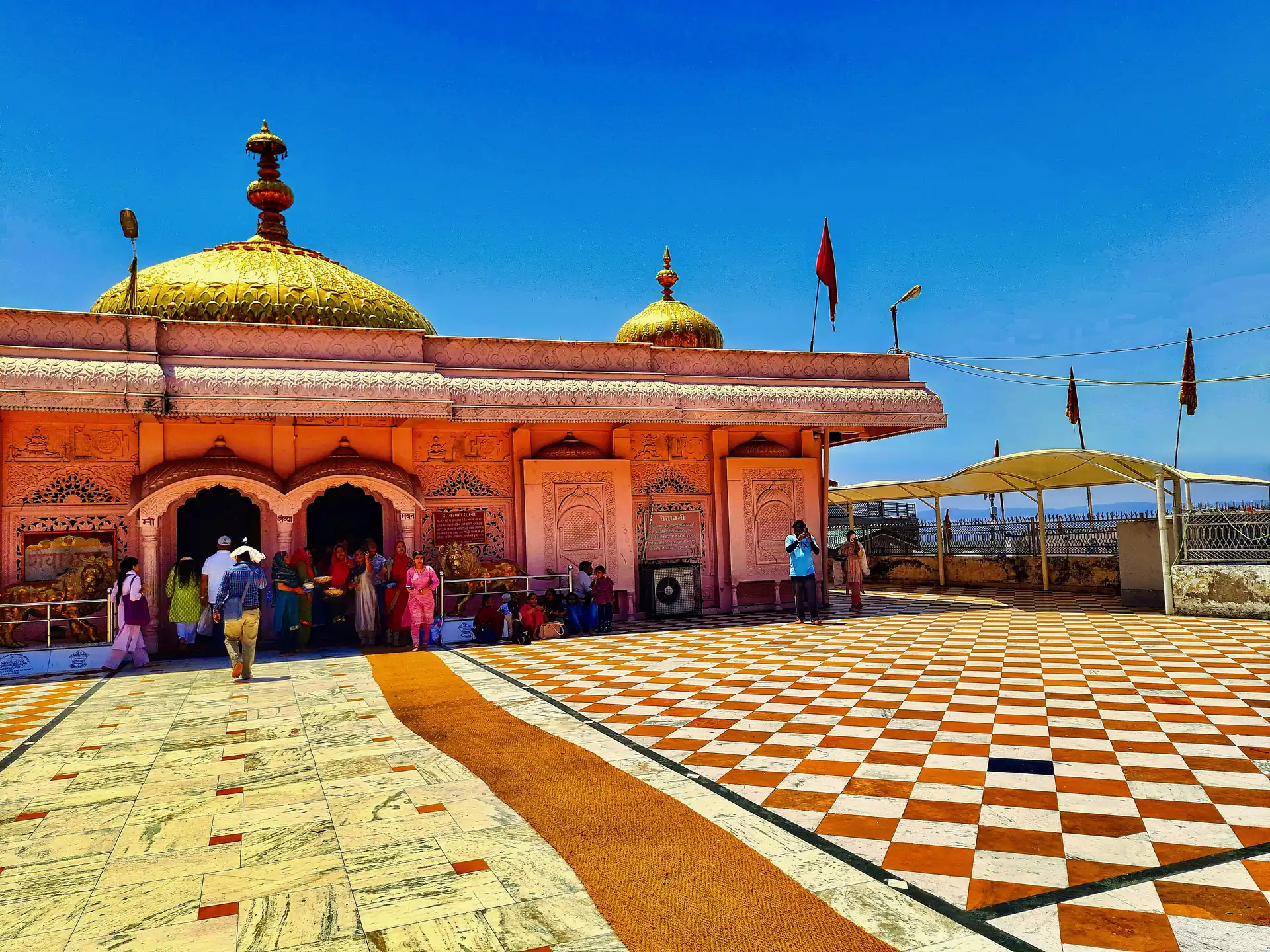
Allow about an hour and a quarter. The flame, the golden dome and the small shrines around the courtyard are all in one compound. We have no verified opening hours or rules for the flame area, so ask in the town before you plan the morning around it.
Winter waterfowl from November to March, with more than 220 species recorded, and in spring the Bathu temples, which stand under the water for eight months and emerge between March and June. A regional water-sports centre also operates there. The reservoir is 51 minutes from Jawalamukhi.
Not comfortably. Masrur is 79 minutes from Jawalamukhi, and the lake is 51 minutes in another direction, so adding it turns a relaxed day into a long drive and leaves little time at either place. The two-day plan gives Masrur its own morning.