
Best time to visit Jwalamukhi — season by season
What the sources say
No monthly weather table is published for Jawalamukhi. The Pong reservoir's article gives only a hot, humid summer with a maximum of 40 °C and fairly cold, mostly dry winters, so this page uses only that.
Winter, November to March
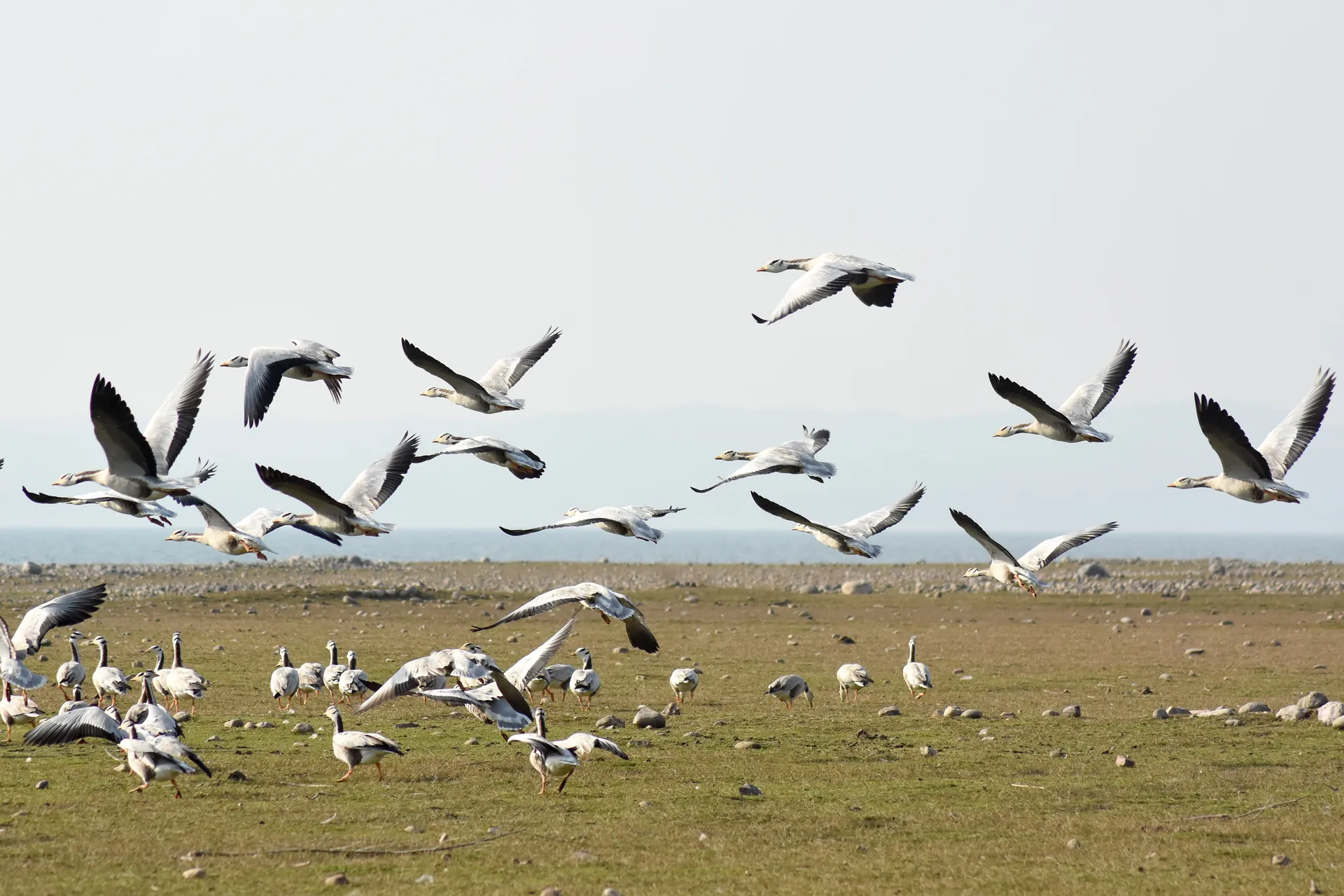
The birds. Migratory waterfowl come to the Pong reservoir from the plains, Central Asia and Siberia, and the receding shoreline from October leaves mudflats for the waders. This is also the easiest season for the temples and Masrur on foot.
Spring, March to June
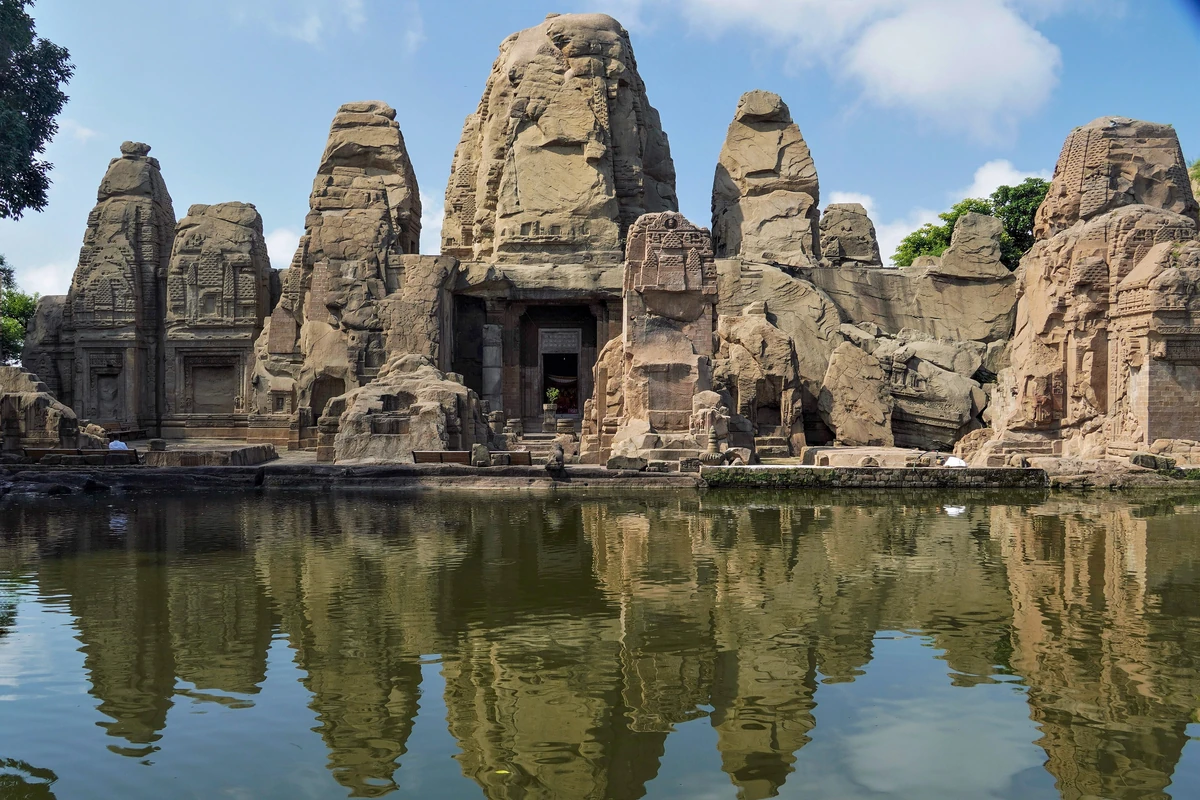
The Bathu temples emerge from the reservoir between March and June. By April the heat builds, so plan the lake and Masrur for the morning.
Summer, April to June
Hot and humid, with highs of 40 °C. Keep the day short and start early.
Monsoon, July to September
Monsoon rainfall between July and September is a major source of the reservoir's water, so the lake is full and the Bathu temples are under water. We have no verified rain figures for the town.
Festivals
The Bagalamukhi temple at Bankhandi is especially popular during Navaratri. We have no verified dates or programme, so check locally.
Planning
Use the one-day plan or the two-day plan, and see how to reach Jwalamukhi for the drive. The Jwalamukhi guide has the rest.
Plans that include this
All Jwalamukhi itineraries →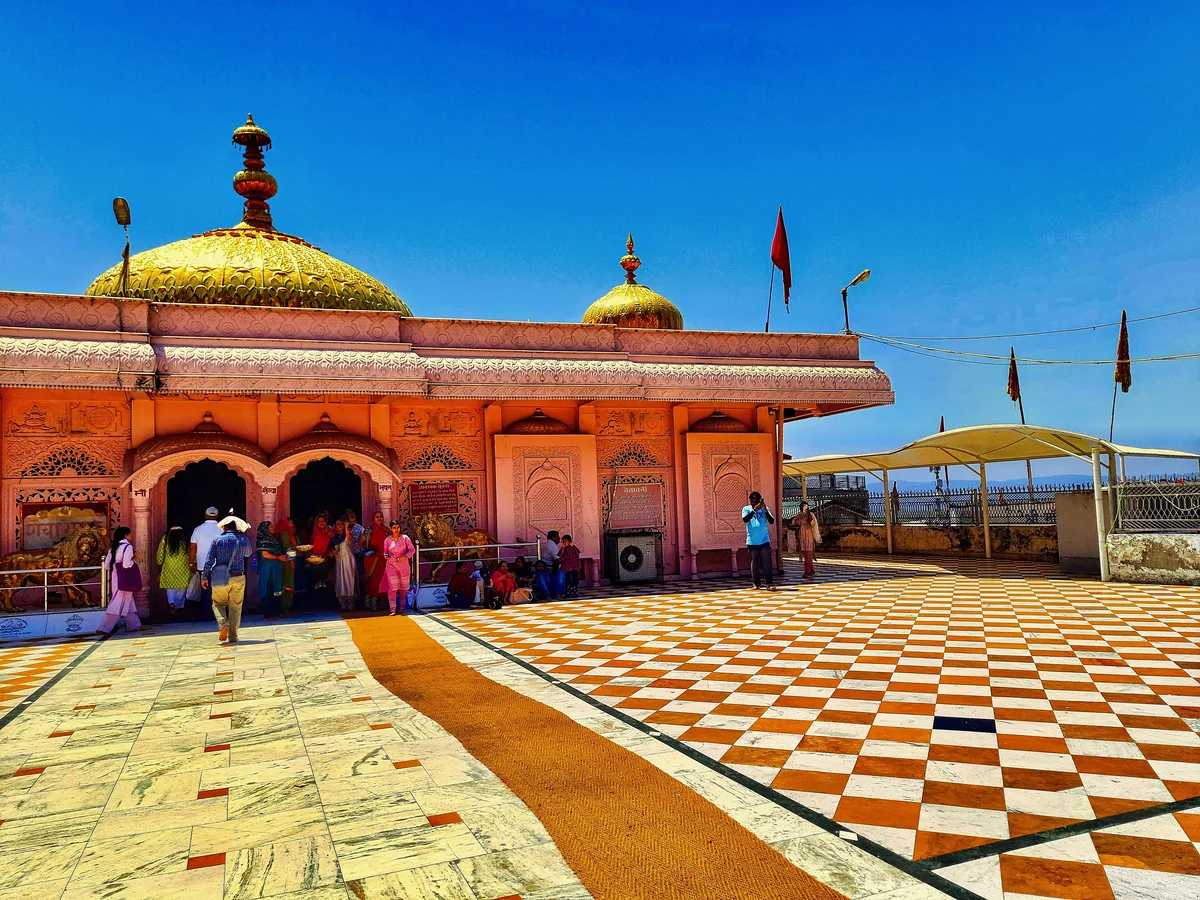
Questions people ask
When is the best time to visit Jwalamukhi?
Winter and early spring. Migratory waterfowl are at the Pong reservoir from November to March, and the Bathu temples emerge from the water between March and June. Summers are hot and humid, with a maximum of 40 °C, so the temple and Masrur are easier outside April to June.
When are the Bathu temples visible?
They stand under the reservoir's water for eight months of the year and emerge between March and June as the level falls. The exact timing depends on the water level, which we cannot predict, so check locally before you plan a trip around seeing them.
Is it too hot to visit in summer?
It can be. The Pong reservoir's own article gives hot, humid summers with a maximum of 40 °C. Go early in the day and keep the long drives for the mornings. We have no monthly weather table for Jawalamukhi itself, so this guide gives no month-by-month temperatures.