Loktak Lake and Keibul Lamjao — the national park that floats
Keibul Lamjao on Loktak Lake, Manipur, is called the only floating national park: phumdi mats of grass and soil, 80% underwater, home of the sangai deer.
Checked on
August keeps the summer warmth. Our weather page gives Leh a day of 28.1 °C and a night of 15.1 °C, with little rain. It is the dry season on every summer route, and the busiest month on Markha.
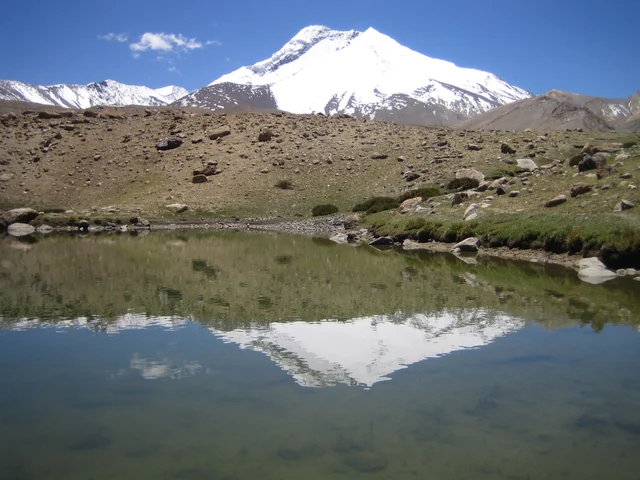
Markha Valley is Ladakh's best-known trek: up the Markha river through Hemis National Park, sleeping at Skiu, Markha and Hankar, to the high pasture of Nimaling under Kang Yatse, then over the Kongmaru La down to Shang Sumdo. Nights are in village homestays or camps. The highest point of the route on our map is 5,264 m.
Who it suits: Experienced trekkers. Go with a guide or an outfit. How long: Most of a week. A jeep road now climbs the valley from Chilling past Markha, so the first days share it.
In August: The settled weeks of the season, with Leh still warm and dry.
Getting there: By road from Leh down the Indus past the Zanskar–Indus confluence to Chilling. You come out at Shang Sumdo, near Hemis. Our map marks a permit for the national park; ask in Leh.
Read on: the route on our map.
Stok La from Zingchen is the crossing from Zingchen in Hemis National Park up the Rumbak valley and over the Stok La to Stok village, across the Indus from Leh. Rumbak's homestays break the climb. The highest point of the route on our map is 4,866 m.
Who it suits: Experienced trekkers. Go with a guide or an outfit. How long: Two days, with a night at Rumbak.
In August: Inside Ladakh's dry season, with the pass clear.
Getting there: By road from Leh past Spituk to Zingchen. You come down at Stok, below Stok Palace. Our map marks a permit for the national park.
Read on: the route on our map.
Sham Valley is the low village walk west of Leh from Likir through Yangthang and Hemis Shukpachan to Temisgam, over a string of small passes, sleeping in village homes each night. Low for Ladakh, but steep up and down. The highest point of the route on our map is 3,974 m.
Who it suits: First-timers who already walk for a few hours at a stretch. How long: Two or three days, by Wikivoyage. Parts now follow the village road.
In August: Leh at its warmest; start early on the open stretches.
Getting there: By road or the daily buses from Leh to Likir, below Likir Monastery. Our western monasteries day passes the start.
Read on: the route on our map; our plan: Phyang, Basgo and Likir in a day.
Lamayuru to Chilling is the hard crossing from Lamayuru, one of Ladakh's oldest monasteries, over a run of high passes and through the villages of Wanla and Hinju to Chilling on the Zanskar. A road now reaches Hinju, so one day is on it. The highest point of the route on our map is 4,889 m.
Who it suits: Experienced trekkers. Go with a guide or an outfit. How long: Most of a week, camping or in village homes.
In August: Inside Ladakh's dry season, with both highways to Leh open.
Getting there: By road from Leh along the Srinagar highway to Lamayuru; buses run from Leh. You come out at Chilling, a drive back to Leh past the Zanskar–Indus confluence.
Read on: the route on our map.
These are not treks on our map. They are walks that our own pages and the open guides give for this month.
Day hikes from Leh. Wikivoyage lists short hikes from the town itself: Chhamkang Ri, a hike of about two hours on the north side of Leh with a view over the valley, and a full day from Phyang back to Leh over the Gyamche La. Good first days while you get used to the height. Inside the June to September season our Leh page gives, when the roads are open and the days warm. Read on: best time to visit Leh; Shanti Stupa; our plan: Leh in three days, a first trip.
Closed on our map in August, so not listed above. Each line gives the months it is open.
A trek appears on a month's page only if its season on our map covers that month. Inside that season it is marked best where the map's own note and the open sources agree, and otherwise it goes under «with a catch» with the reason. Ladakh is a cold desert, so its trek season is set by snow on the passes and by the roads, not by the monsoon. A walk or a plan is listed only in the months our page or plan gives for it. We grade nothing beyond what the map records, and this page gives no prices.
July comes before and September after. The Ladakh trek calendar has every month on one page. For Leh itself, see the best time to visit Leh, and for the weather across the region the best time to visit Kashmir and Ladakh.
August elsewhere: treks in August in Kashmir, treks in August in Himachal and treks in August in Uttarakhand.
Reels from these places: follow @himlocal.in on Instagram
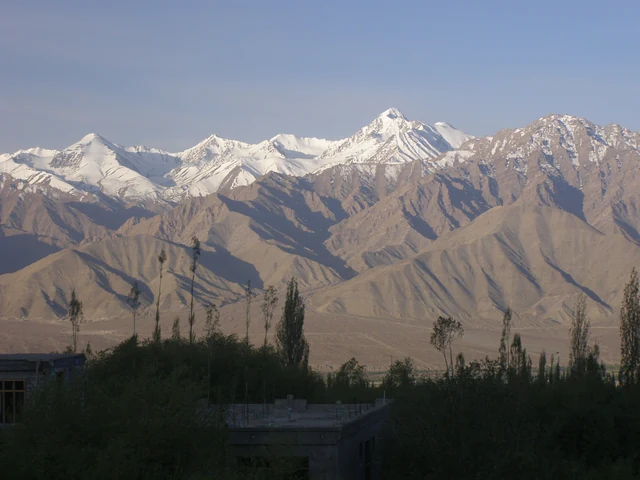
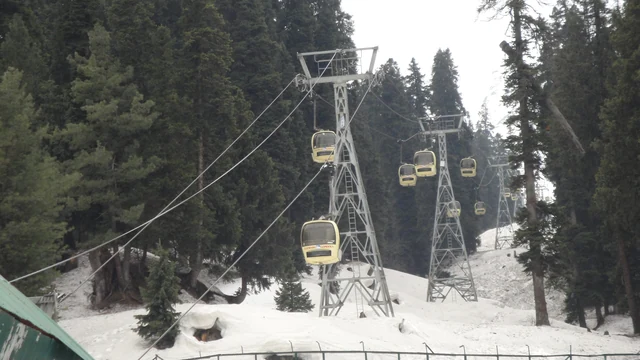
August is one of the best Ladakh months. On our map Markha Valley, Stok La, Lamayuru to Chilling and Sham Valley are all open and at their best, Leh is still warm and dry, and both highways are running. Book homestays and camps early, as these are the busiest weeks.
It depends on your days. Markha Valley is the classic, most of a week through Hemis National Park. Stok La is two days from Zingchen. Lamayuru to Chilling is the hardest, over high passes. Sham Valley is the gentle one, two or three days through villages. All are at their best in August.
Very little. The main Himalayan range keeps the monsoon off Ladakh, and our weather page gives Leh's August precipitation as 15.4 mm by the India Meteorological Department normals. While the monsoon rains on Himachal and Uttarakhand, the Ladakh trails stay dry, though a passing storm can still bring rain or snow to the passes.