
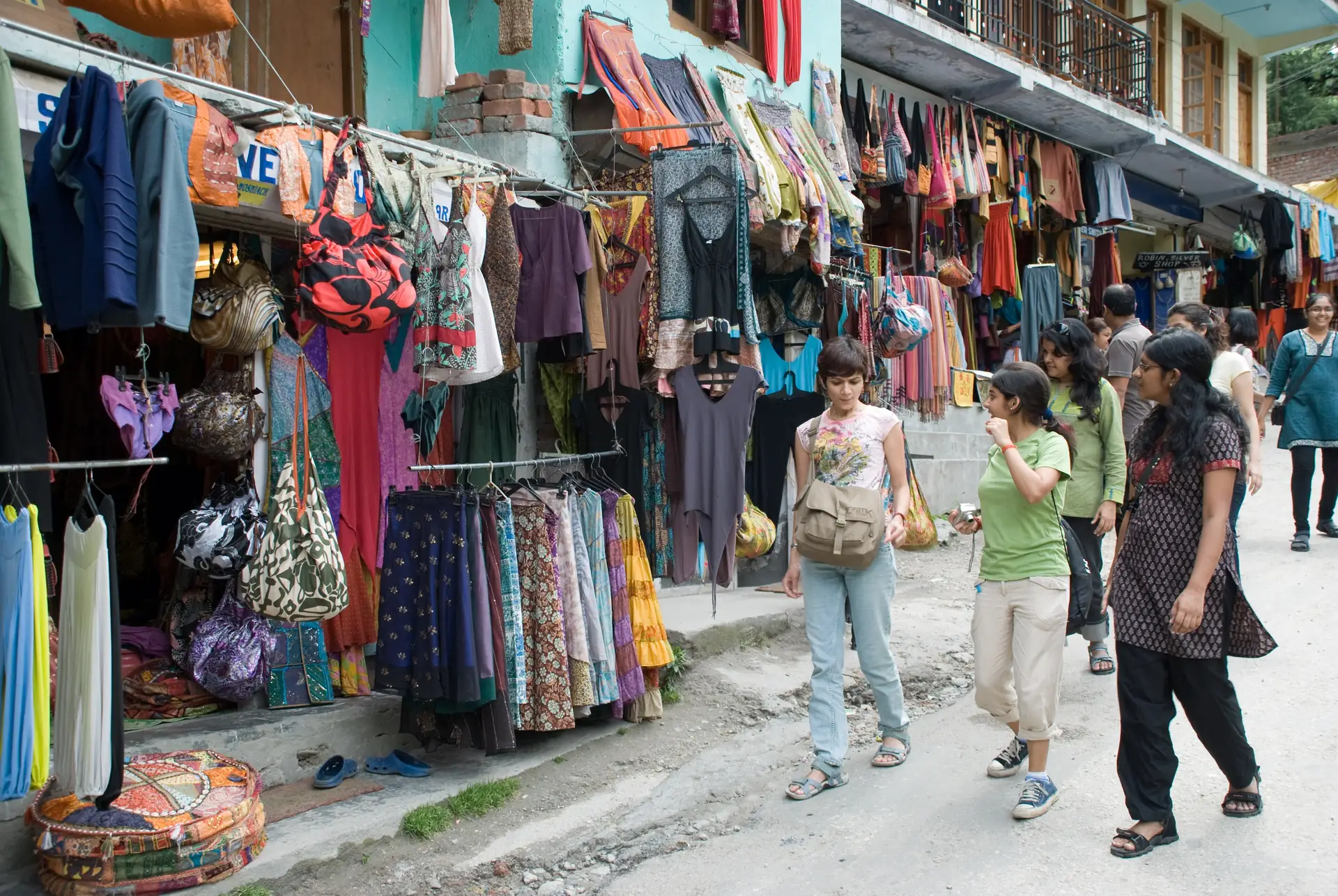
Manali solo — the honest guide to going alone, on a budget or not
Why Manali works alone
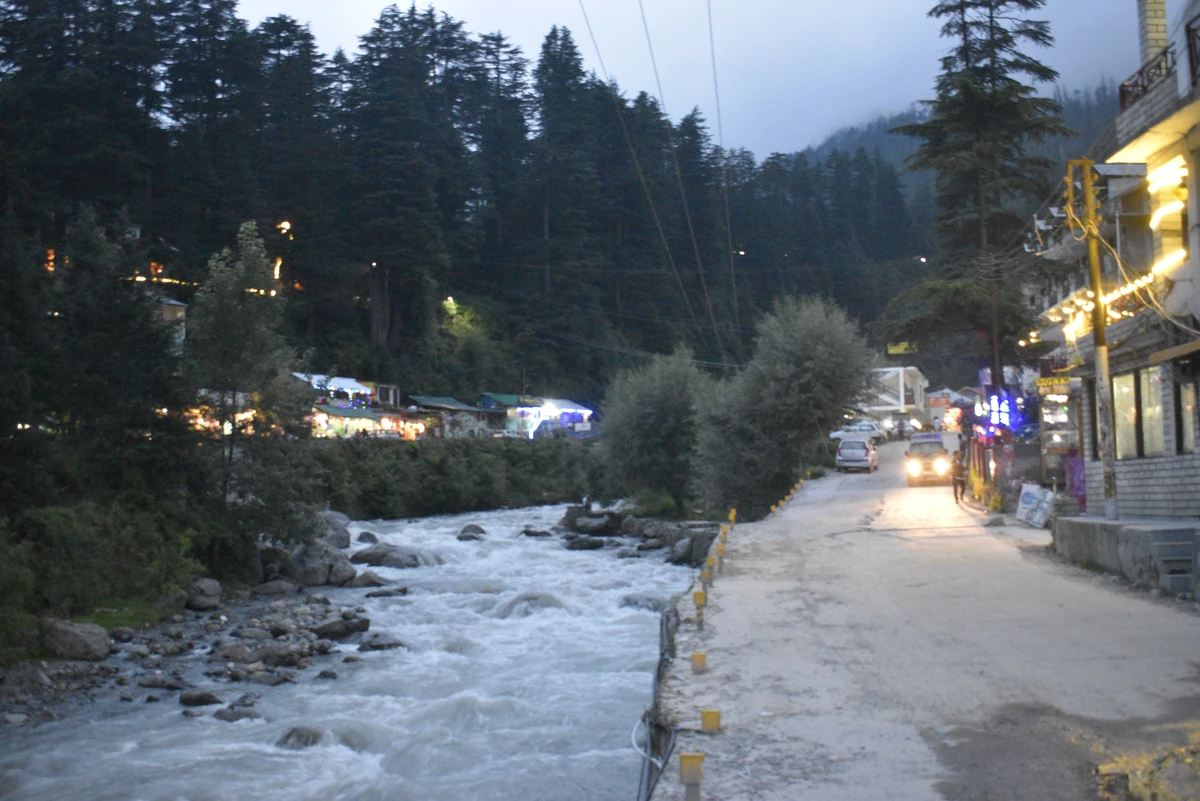
Some places are hard alone: the sights are far apart, a taxi is the only way, and every table is set for two. Manali is the opposite. The town is small, and the two villages where solo travellers have always stayed — Old Manali across the stream and Vashisht across the river — are built for arriving on your own. Family guesthouses, hostels, cafés with long tables and a book exchange, a lane where you will know faces by the second evening. The best walks need no guide. The day trips run on shared taxis and buses. And the valley is big enough that a week is a start and a month is not strange.
Photos: Nrr1729 (CC BY-SA 4.0) · Gillian39 (CC BY 4.0) · Gannu03 (CC BY-SA 4.0) — via Wikimedia Commons, resized.
This is the guide for going alone, on a budget or not. The solo budget plan is the four-day version with the bus timings; this page is the how.
Where to stay
Old Manali is the default, and the higher up the lane the better. The upper guesthouses are in the orchards with the view across to the ridge; the lower ones by the bridge are cheaper, louder and closer to the cafés. Hostels cluster near the bridge and along the lane, and a bed in one is the fastest way to find company for a walk or a shared taxi. Many places close from December to February and reopen in March; in the off months, ask what is open.
Vashisht is the cheaper village: the hot baths at the door, a lane of rooms and small cafés with the valley in the window, the Jogini path from the top of the village, and a crowd that stays weeks rather than nights. Steeper, rougher and quieter than Old Manali, and preferred by people who have been before.
Weekly rates are normal in both outside May and June, and are negotiated at the door rather than online. Our stays page lists the places we know with what they cost this season; the where to stay article compares the areas for everyone else.
The days that need nobody
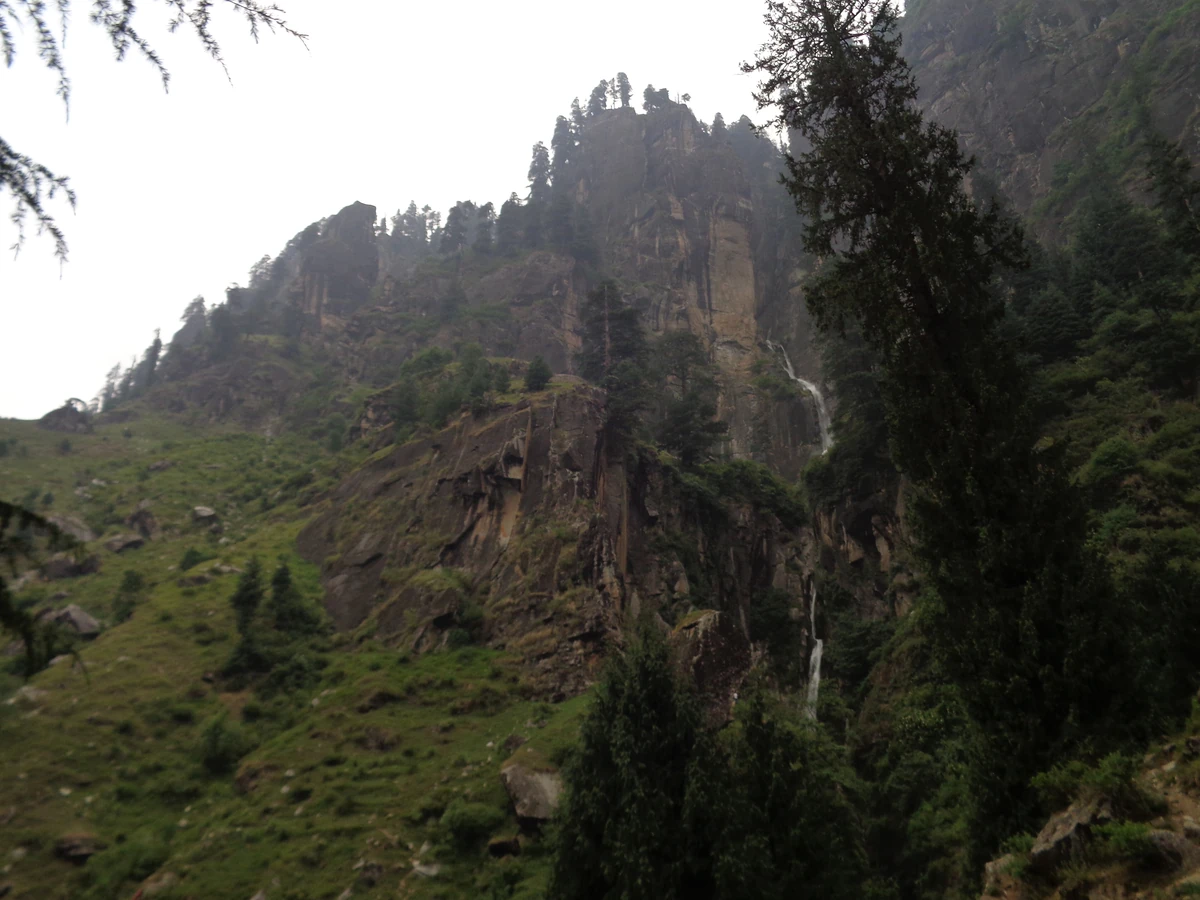
The walks. Jogini Falls from the top of Vashisht, about 46 min up through orchards and pine and about 19 min down — the best short walk in the valley and a village path anyone can follow. The sanctuary path from the gate near Old Manali, an hour or three under old deodar with no exposure. The walk to Anjani Mahadev from the road above Solang. None needs a guide; all need a morning start and shoes that grip, and someone told where you went.
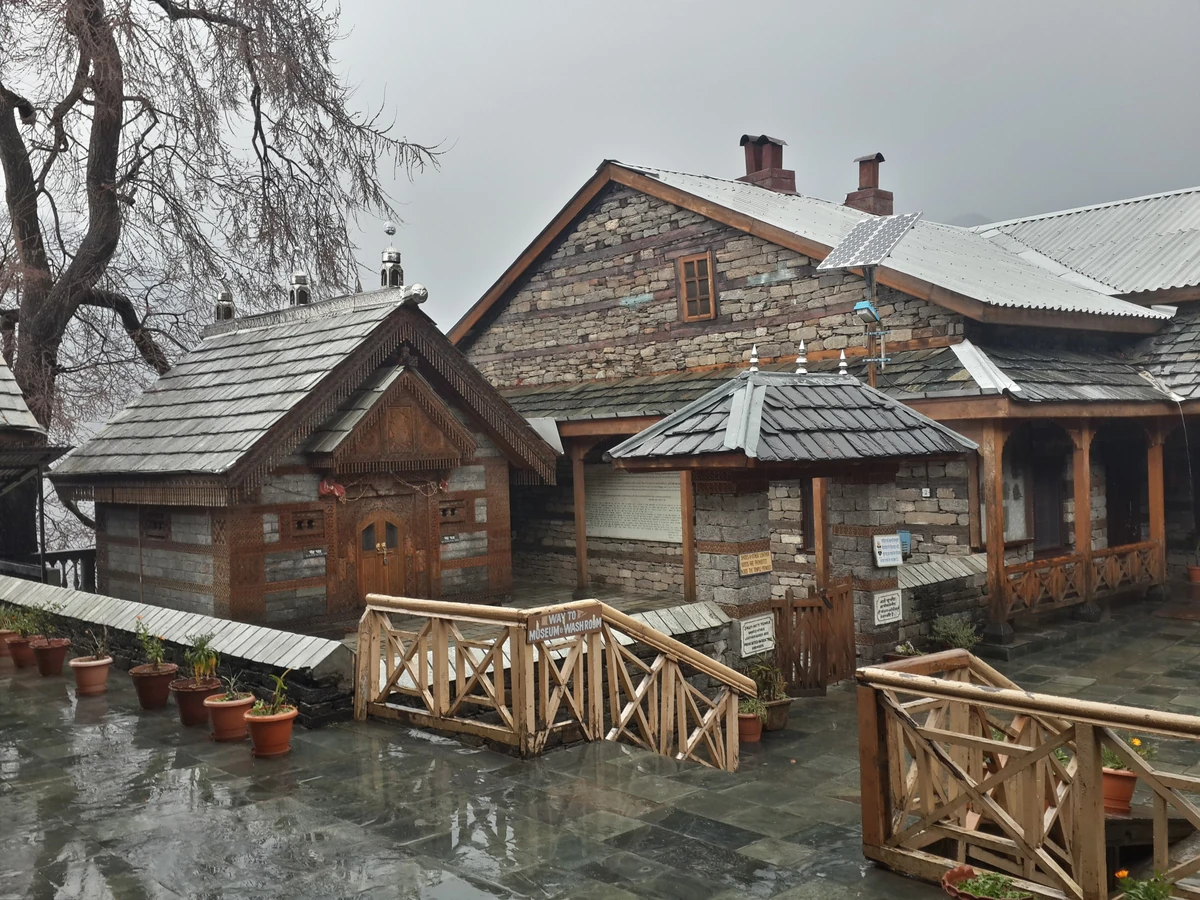
The town. The Hadimba grove before nine; the climb through Old Manali to the Manu temple; the springs at Vashisht at the hour the village uses them, early or late; the Mall at dusk. The cafés-and-lanes plan is two days of this without a car.
The shared rides. Shared taxis fill at the bus stand in the mornings for Solang, and in season for Sissu through the tunnel. The Kullu bus stops at Patlikuhl for the shared taxi up to Naggar, and goes on down the valley to the rafting at Pirdi and to Kasol. A solo traveller does every day trip in this valley without hiring a whole car, and pays a fraction. The rafting guide and the Sissu day trip have the shapes.
The scooter. Typically ₹600–1,200 a day as of September 2026, with a helmet and your licence held; the valley roads to Solang, Naggar and, outside winter, the tunnel to Sissu are the rides. The rental guide has the rules and the rides.
The days that need company
The treks. Beas Kund and Bhrigu Lake are camping treks with a night above the treeline, and a solo traveller joins a fixed departure with an outfit from Old Manali or the Mall — which is also the easiest way to meet people here. Ask at two or three, compare what is included, and join a group rather than paying for a private guide. The day-hikes plan is the walking week with a bed every night; the Beas Kund plan is the trek.
The pass. Rohtang needs a permit and a full-day car, which alone is the most expensive day in the valley for the least reward; it is the day to skip, or to share with people from the hostel. The tunnel to Sissu is the same mountains in a shared taxi with no permit.
Safety, honestly
Manali is one of the easiest places in the Himalaya to be alone, and the usual sense is enough. The lanes in Old Manali run late and loud in season; that is noise, not danger. The hot baths are separate for men and women. The walks are morning walks, done with someone — a guesthouse owner, a café — told where you are going, and the paths hold ice in the shade in December and January. The roads are unlit and the last shared taxi from Solang leaves in the afternoon; do not plan on getting back after dark without your own wheels. Drinking on the lane is normal; drinking and riding is checked and prosecuted. Cash for everything above Solang and in the temple lanes, where the card machines drop with the power.
What it costs
Less than most people budget, because the best of the valley is free: the temples, the springs, the walks, the grove, the forest path, the tunnel. The costs are the bed, the food and the shared rides. A tandem flight at Solang, typically ₹3,000–5,000, is the one big spend most solo travellers choose; a rented scooter for a day or two the second. The costs article has the full sheet of bands with the date we checked them, and what we do not print because it changes weekly.
The plan
Four days: the solo budget plan. Two days without a car: the cafés-and-lanes plan. A week with a laptop: the workation plan. Every plan on the itineraries page can be copied into your own trips and changed, which for a solo traveller means dropping the bits that need a car.
Plans that include this
All Manali itineraries →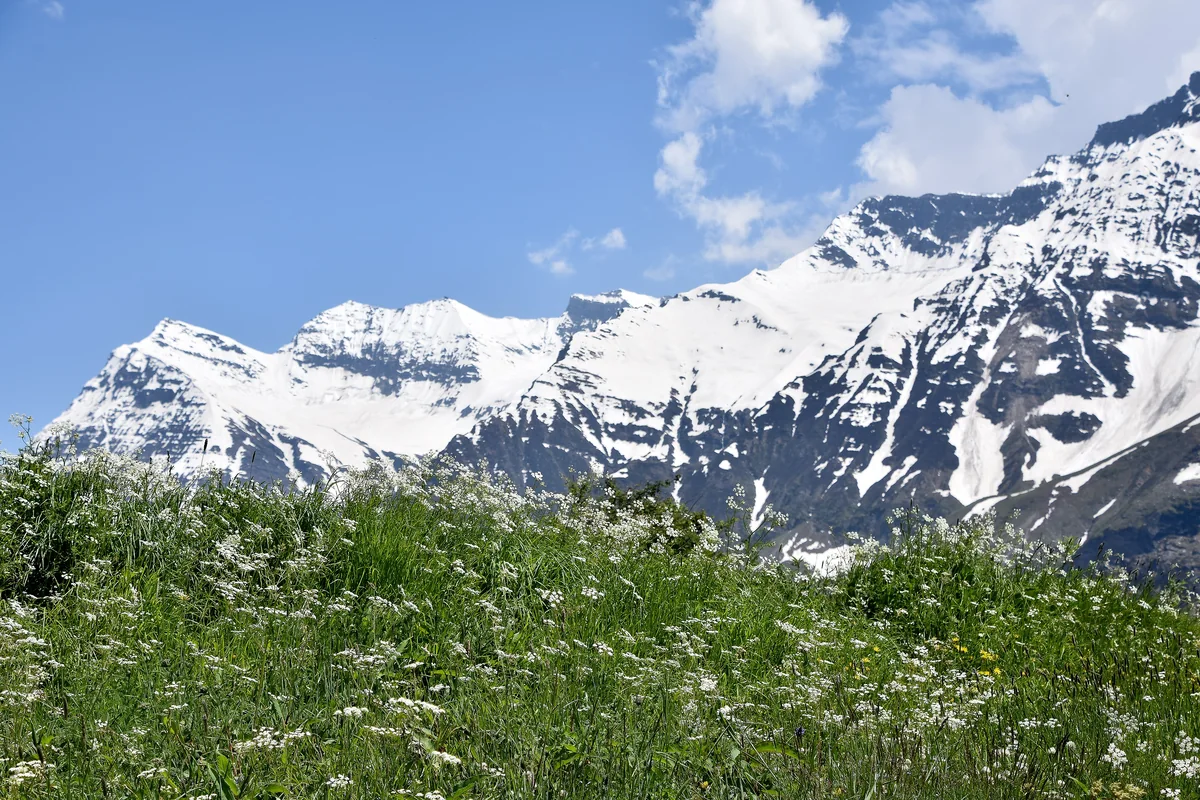 Day plan · FriendsRoad trip
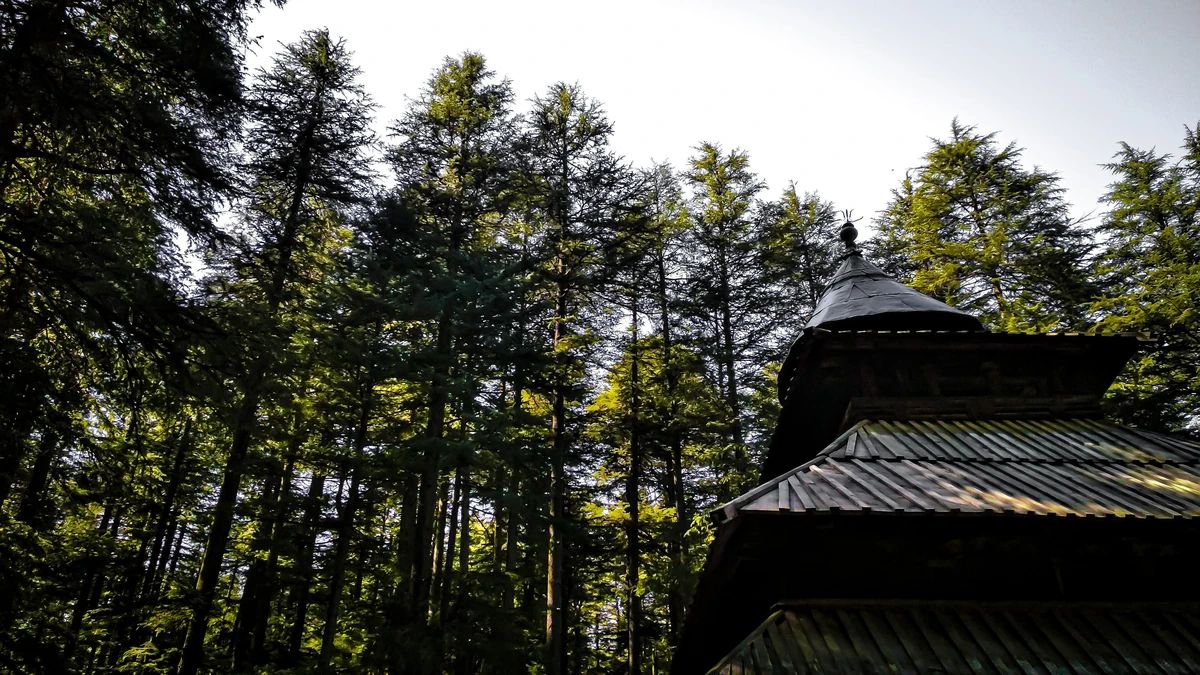 Day plan · First visitClassic
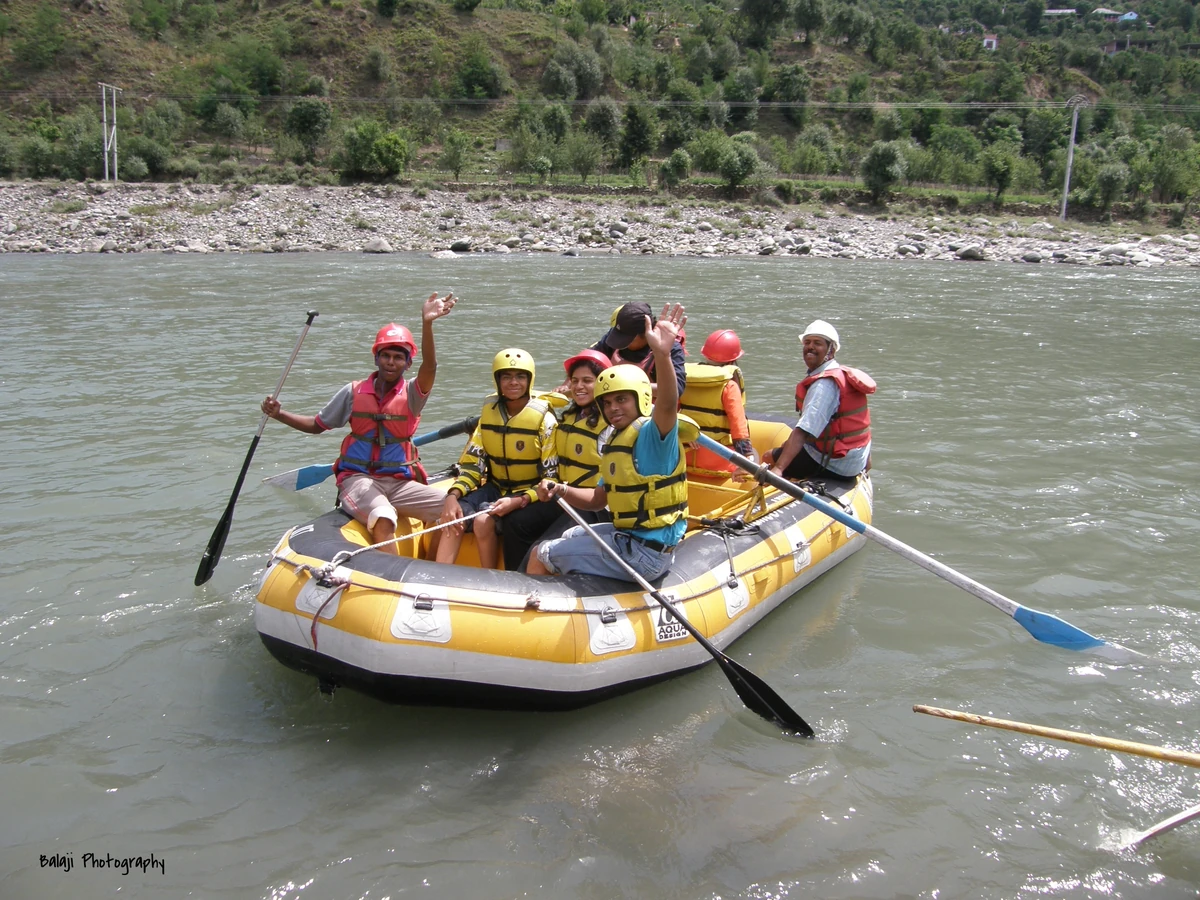 Day plan · Slow travelTemples & heritage
 1 night · 2 days · Slow travelCafés & food
 1 night · 2 days · CouplesTemples & heritage
 1 night · 2 days · Slow travelWaterfalls
Questions people ask
Is Manali good for solo travellers?
One of the best places in the Himalaya for it. Old Manali and Vashisht have hosted solo travellers for decades, the hostels and family guesthouses are used to people arriving alone, the best walks need no guide, and shared taxis and buses cover the day trips. The town is learned in an evening; the valley lasts a month.
Is Manali safe for a solo female traveller?
By the standards of hill towns in India, yes — Old Manali and Vashisht are long-established traveller villages where a woman alone is ordinary. The usual sense applies: the lanes after midnight in season are loud rather than dangerous, the hot baths are separate for men and women, and the walks are morning walks with someone told where you went.
How do you get around Manali without a taxi?
On foot for the town, Old Manali, the Hadimba grove and Vashisht. By shared taxi from the bus stand in the mornings for Solang, Naggar and Sissu. By the Kullu bus for anything down the valley. By a rented scooter, typically ₹600–1,200 a day. A full taxi is for the pass, which is the day to skip.
How much does a week in Manali cost solo?
Less than most people budget, because the best of the valley is free — the temples, the springs, the walks, the grove, the forest path, the tunnel. The costs are the bed, the food and the shared rides; the one big spend most choose is a tandem flight at Solang, typically ₹3,000–5,000.