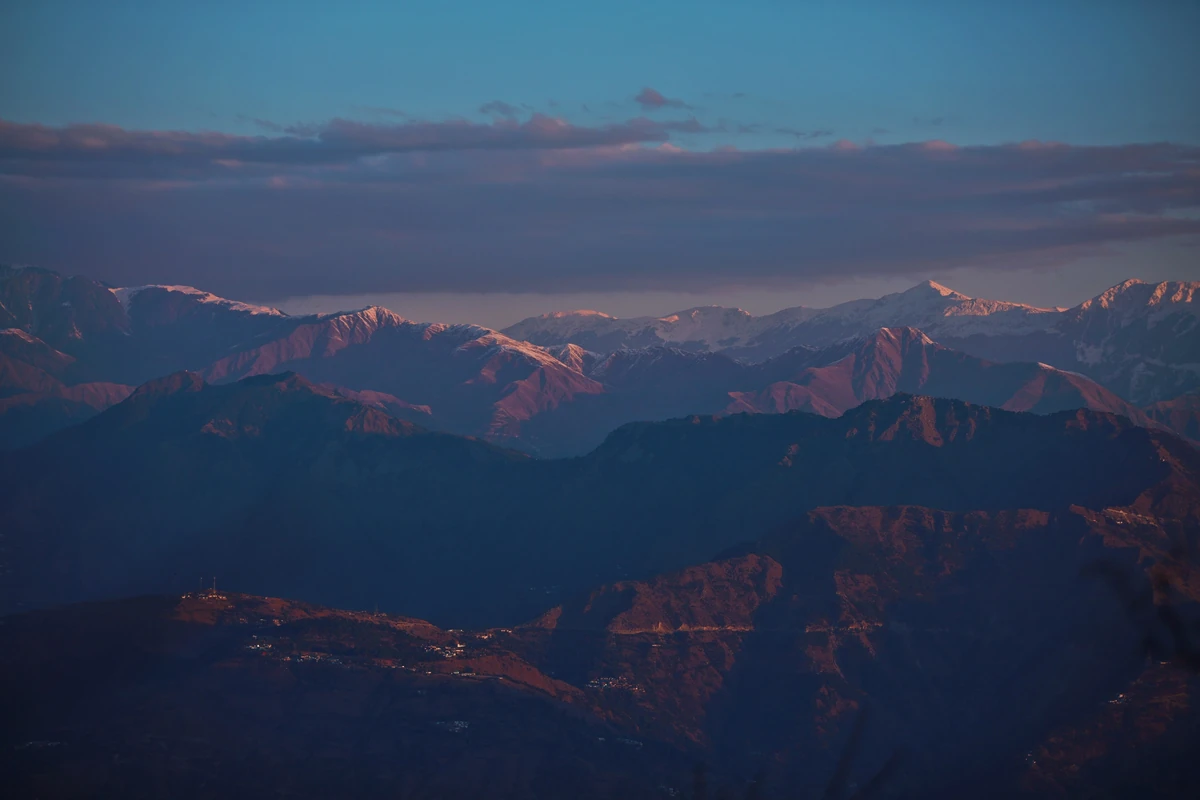
Great Himalayan National Park — the UNESCO park above Tirthan, Sainj and the Banjar valley
The Great Himalayan National Park, a UNESCO site since 2014: where it is, what lives in it, permits at Sai Ropa, and the Tirthan and Sainj valleys it guards.
What the park is
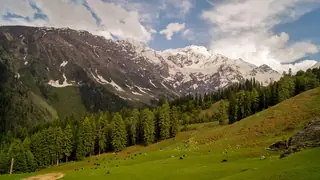
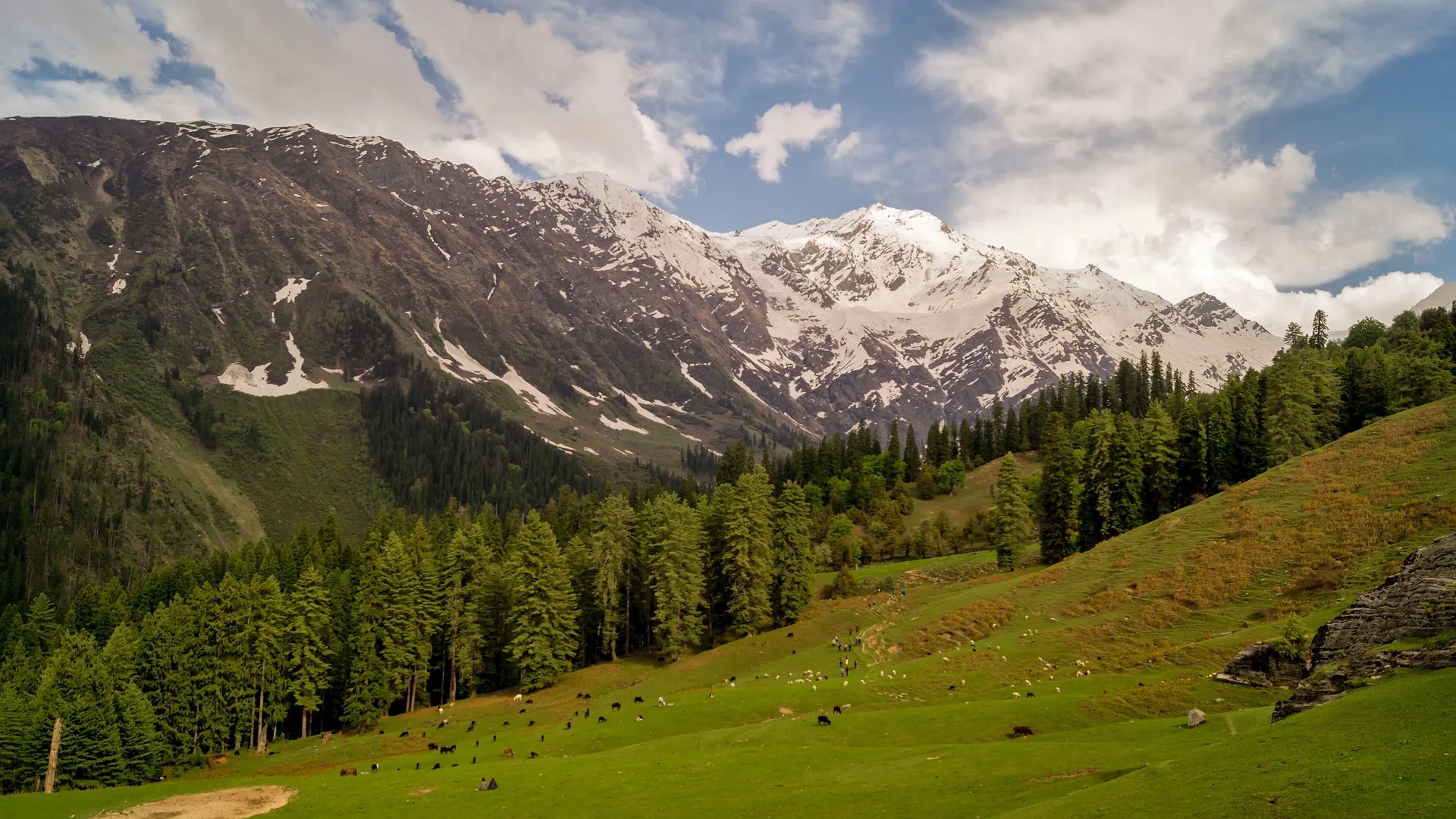
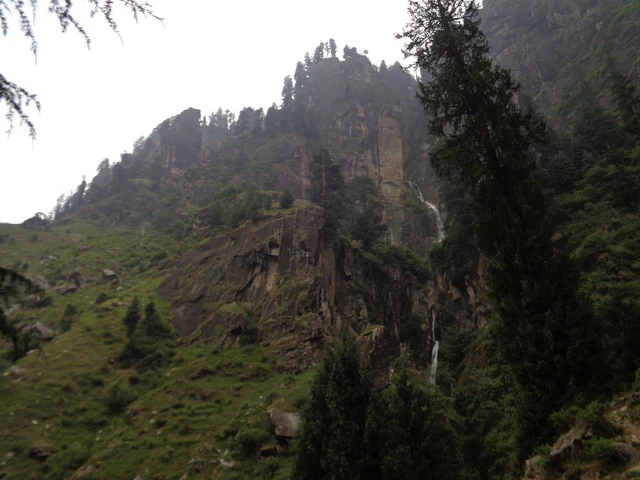
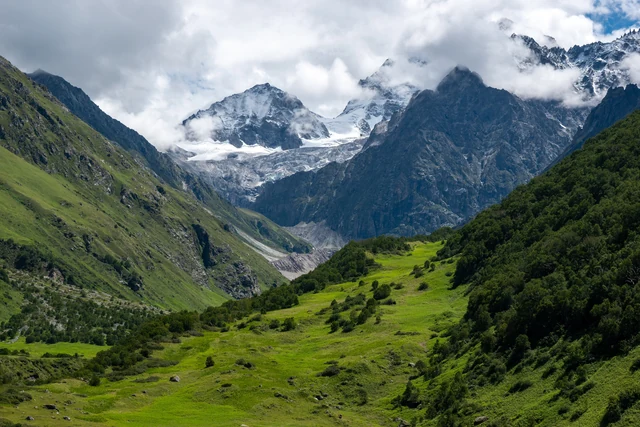
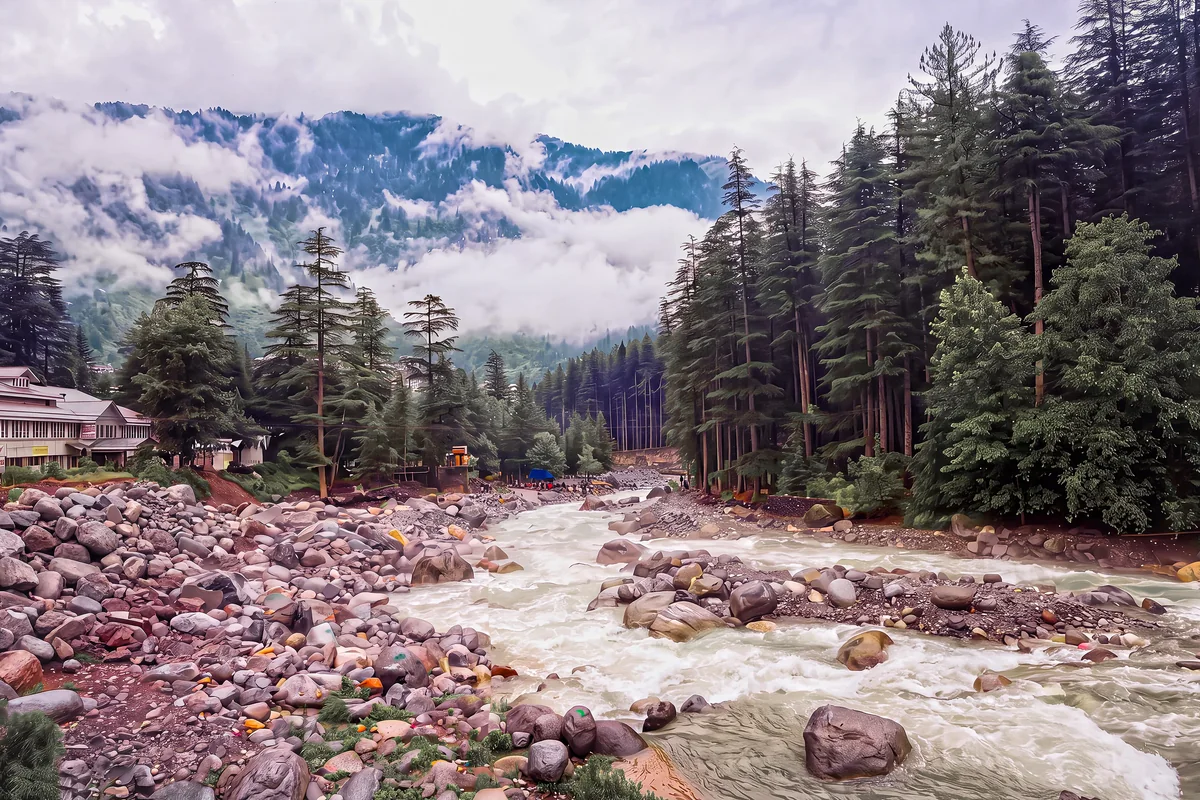
The Great Himalayan National Park, known as GHNP, lies in the Banjar sub-division of Kullu district. The elevations inside it run from about 1,500 m to 6,000 m, and Wikipedia gives its area as 1,171 km². It protects the watersheds of three rivers, the Tirthan, the Sainj and the Jiwanal, which is why the villages along them sit on its edge. The valley guide is Banjar and Tirthan.
In June 2014 the park was added to the UNESCO World Heritage list for its outstanding significance for biodiversity conservation. Wikipedia counts more than 375 animal species: 31 mammals, 181 birds, 3 reptiles, 9 amphibians and 127 insects, among others. The high ground, at 3,500 m and above, is home to blue sheep, snow leopard, Himalayan brown bear and Himalayan tahr.
Two dates to know
Wikipedia dates the park's creation to 1984, when the Himachal government expressed its intention, and also lists 1999 as the year it was instated as a national park. The listing was later: the nomination was submitted in 2011 and accepted in 2014. We use only the 2014 date as fact.
Where to start
The park is reached on foot. On the Tirthan side, the office at Sai Ropa, below Gushaini, issues permits and explains the walks. Wikipedia also says that the director's office is at Shamshi in the Kullu valley. Treks range from one or two days to a week or ten days, and a trek of 35 to 45 km in any of the park's valleys brings you to the high habitat.
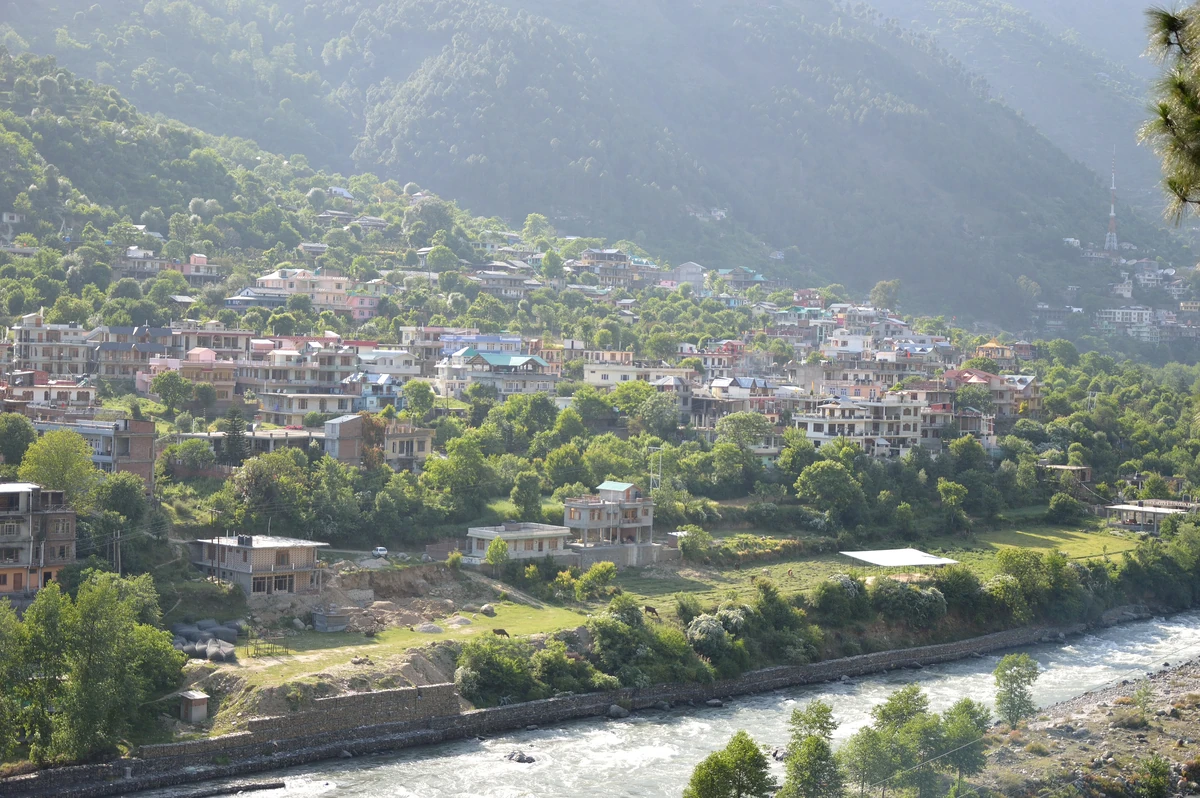
The villages on the park's edge, such as Jibhi and Gushaini, are where homestay tourism has grown. Ask which areas are open before you go; the park closes some by notice.
Been here?Help the next traveller — our team checks every contribution.
Questions people ask
Where is the Great Himalayan National Park?
In the Banjar sub-division of Kullu district, Himachal Pradesh. The park lies above the Tirthan, Sainj and Jiwanal valleys, with heights from 1,500 m to 6,000 m. Its headquarters are at Shamshi in the Kullu valley, and the Tirthan-side permit office is at Sai Ropa near Gushaini.
Is the Great Himalayan National Park a UNESCO World Heritage Site?
Yes. It was added to the UNESCO list in June 2014 at the 38th World Heritage Committee meeting in Doha, for its outstanding significance for biodiversity conservation. Wikipedia counts more than 375 faunal species in it, among them 31 mammals and 181 birds.
Do you need a permit for the Great Himalayan National Park?
Yes, for treks. Wikipedia says the park office at Sai Ropa issues the permits for the treks, which range from a day or two to a week or ten days. Our Sai Ropa page describes the office, its small museum and the guides, so take the permit the day before.