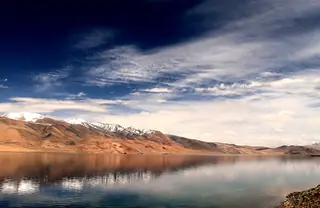
How to reach Leh — flights, and the Manali and Srinagar roads
How to reach Leh: flights all year, the seasonal Manali and Srinagar highways, bus options, measured road distances, and why there is no railway.
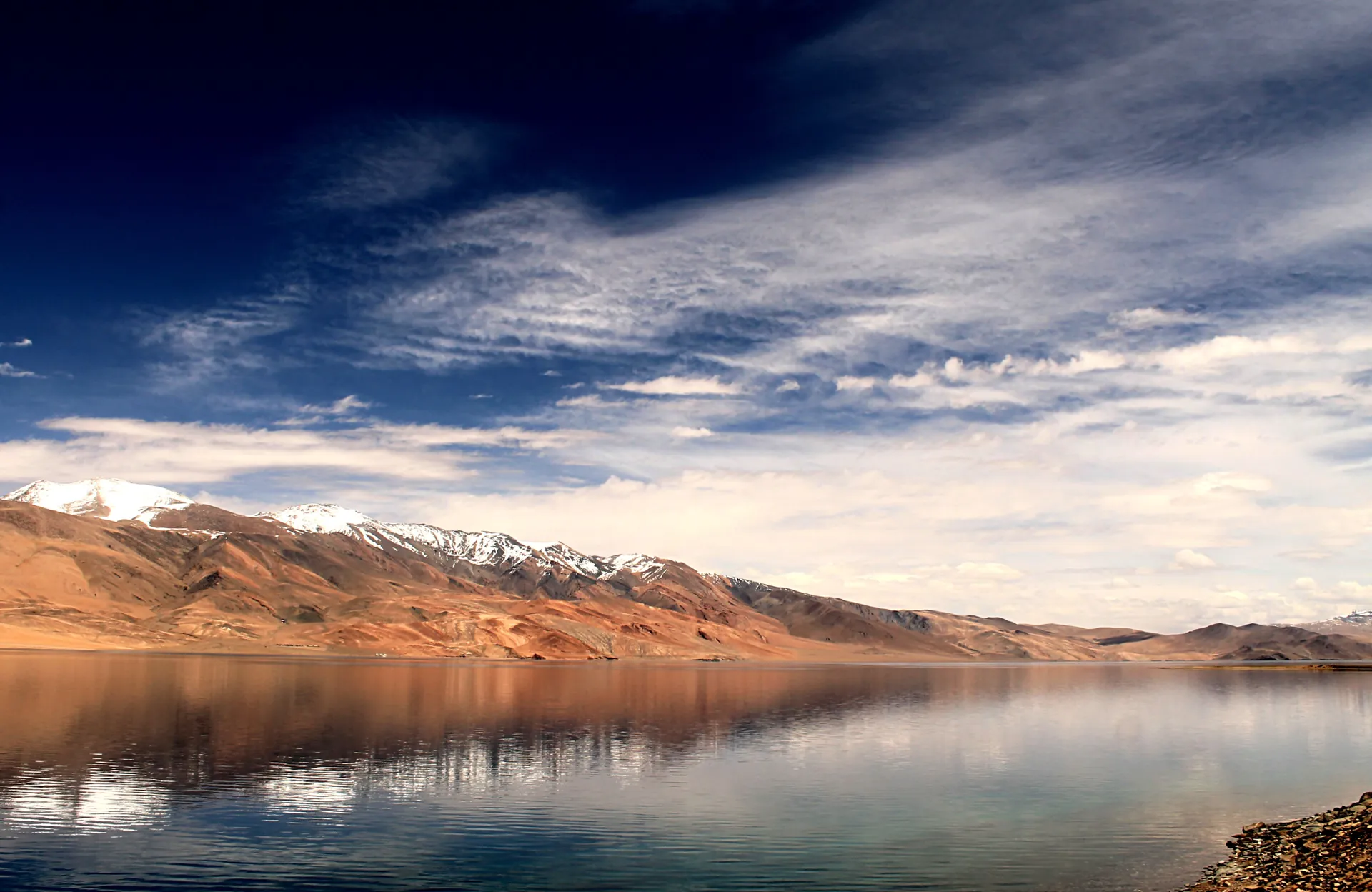
East of Leh, on the high Changthang plateau, lie two of Ladakh's quietest places: the great lake of Tso Moriri, and the village of Hanle, whose night sky is protected by law. Both are far from Leh, high, and permit-only. These are the details as the Leh district's official portal and Wikipedia give them, read on 24 October 2026.
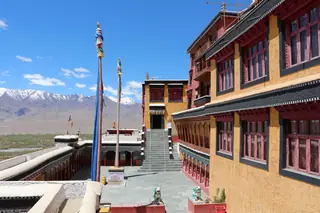
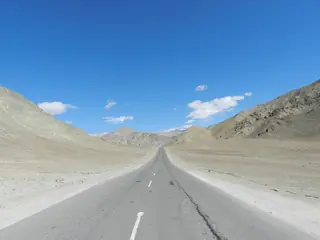
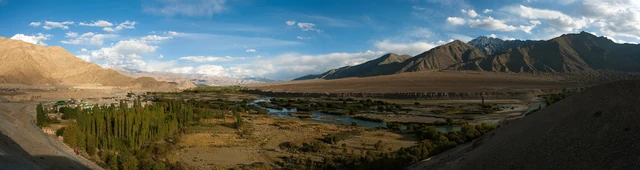
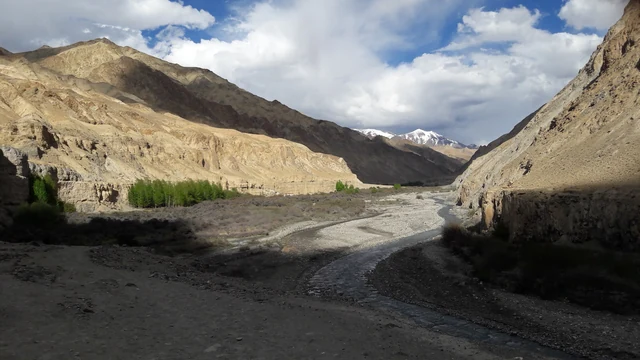
Photos: Original: Rafał Kozubek Derivative work: UnpetitproleX (CC BY-SA 3.0) · Deepank Ranka (CC BY-SA 4.0) — via Wikimedia Commons, resized.
The Leh district administration's online portal, the Leh District Tourist Management System, lists the Tso Moriri circuit (by way of Upshi to Tso Moriri and Korzok) and the Hanle circuit among the routes that need a permit. You apply and pay online; the fee covers the green fee, the Red Cross fund and the wildlife fee, with 10 percent off when you go through a local travel agent. The district's health advisory asks visitors to rest in Leh for at least 48 hours before going to high ground, and Wikipedia recommends a day or two of acclimatisation at Leh or at Hanle itself, at about 4,500 m.
Tso Moriri lies at about 4,522 m on the Changthang plateau, a Ramsar wetland that is the largest high-altitude lake wholly within India. It is about 26 km long, slightly brackish and fed by glacial streams, with peaks over 6,000 m on either side. Karzok, on its north-west shore, is one of the loftiest villages that people live in all year, and it has a Drukpa monastery. Wikipedia says access is limited mostly to the summer months. It puts the lake about 219 km from Leh; our routing over OpenStreetMap measures about 231 km.
The area around Hanle was made India's first dark-sky preserve in September 2022. It covers about 1,073 km² and six hamlets of Hanle village. To keep the sky dark, Wikipedia lists rules such as lights indoors in some places, light-blocking curtains on windows, yellow street lights, no high-beam headlights and limited night driving. The Indian Astronomical Observatory, at about 4,500 m, saw first light in 2000 and counts about 255 spectroscopic nights a year. Hanle Monastery, a 17th-century Drukpa gompa, is in the valley.
Wikipedia gives about 250 km from Leh to the observatory, a drive of about ten hours; our routing measures about 257 km. Plan a night or two in the village.
Start with the three days in Leh, and read the guide to Nubra and Pangong, when to visit Leh and how to reach Leh.
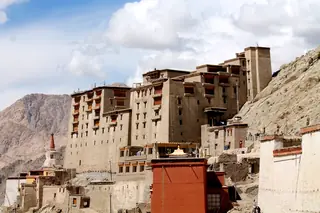
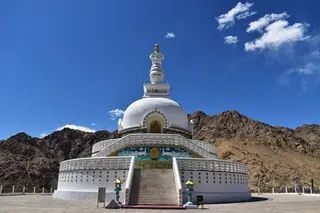
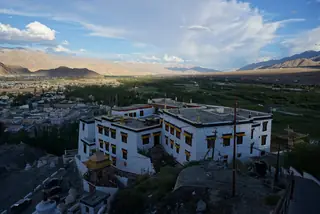
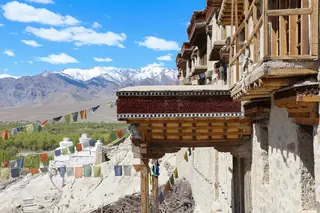
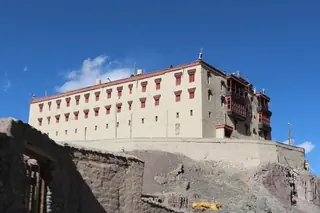
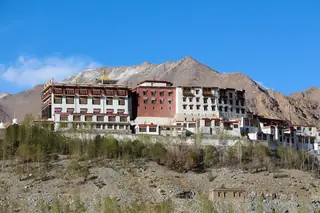
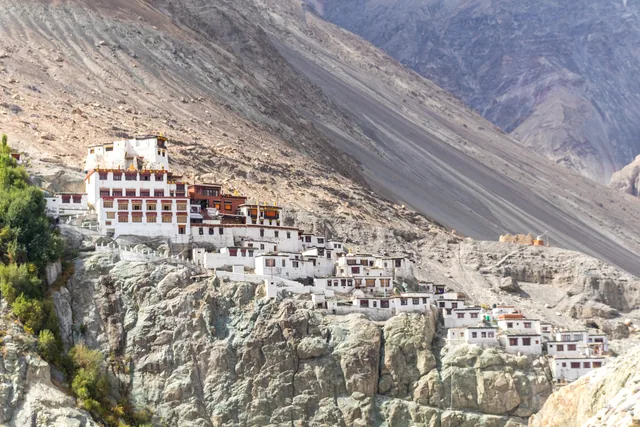
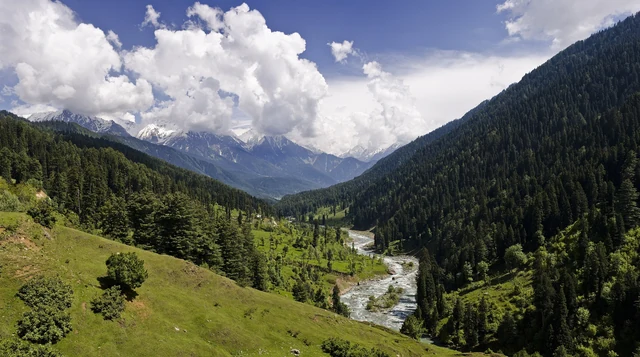
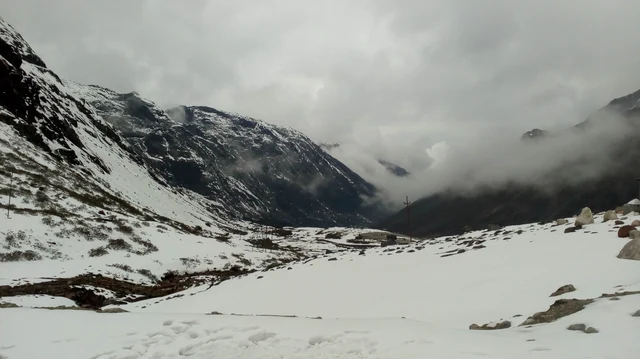
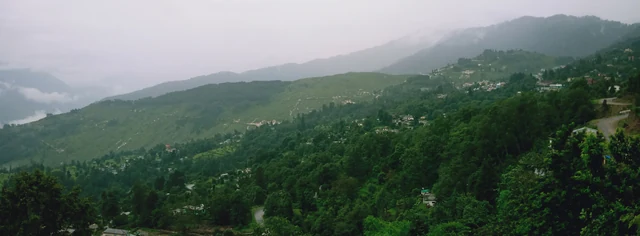
India's first dark-sky preserve, set up in September 2022 around Hanle village, by Wikipedia's account. It covers about 1,073 km² and six hamlets, and rules keep the night dark: lights indoors in some places, light-blocking curtains, yellow street lights and no high-beam headlights. The Indian Astronomical Observatory stands nearby at about 4,500 m.
Yes. The Leh district's official permit portal lists a circuit by way of Upshi to Tso Moriri and Korzok, and a Hanle circuit, among the routes that need a permit. Apply online on that portal; the fee covers the green fee, the Red Cross fund and the wildlife fee, with 10 percent off through a local agent.
On our routing over OpenStreetMap, Korzok on Tso Moriri is about 231 km from Leh and Hanle about 257 km. Wikipedia gives about 219 km to Tso Moriri and about 250 km to the observatory at Hanle, a drive of about ten hours. Both are long days over high roads, so plan to stay overnight.