How to reach Leh — flights, and the Manali and Srinagar roads
How to reach Leh: flights all year, the seasonal Manali and Srinagar highways, bus options, measured road distances, and why there is no railway.
South of Leh, across the Indus, lies the snow leopard's best-known home in India. Here is what is published about Hemis National Park, and what a visit involves.
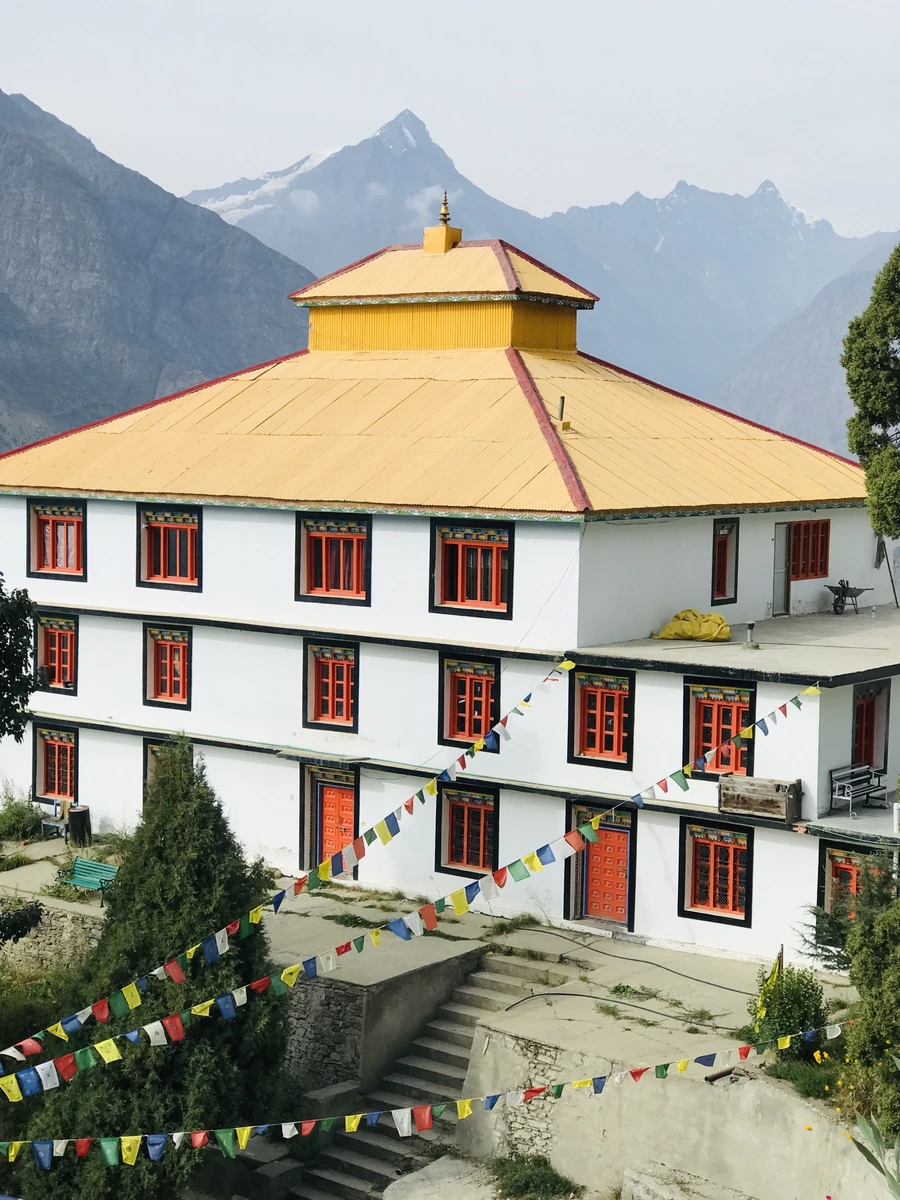
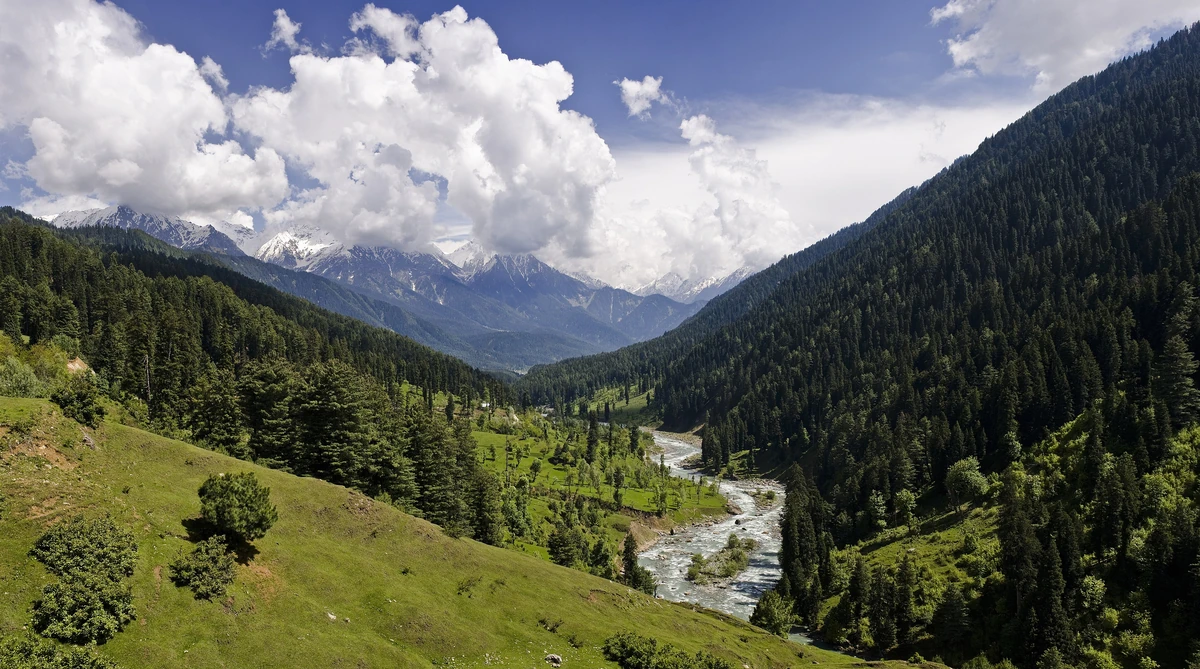
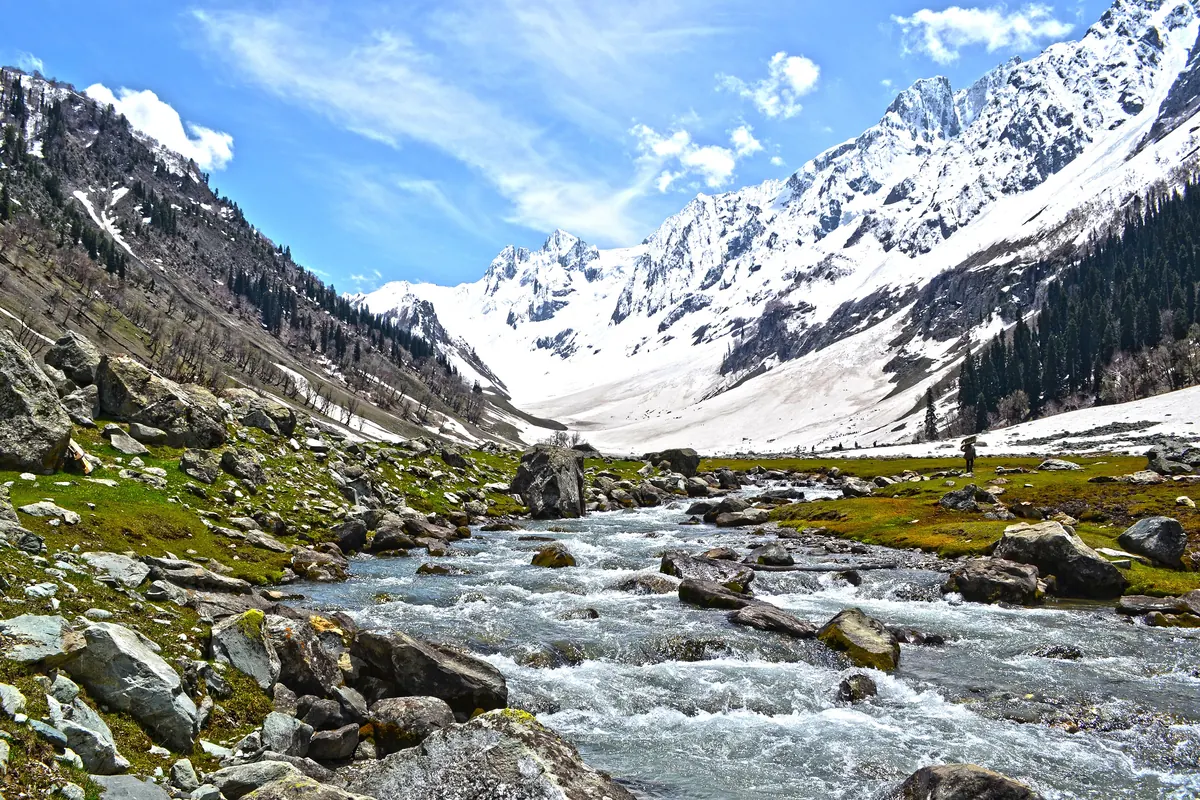
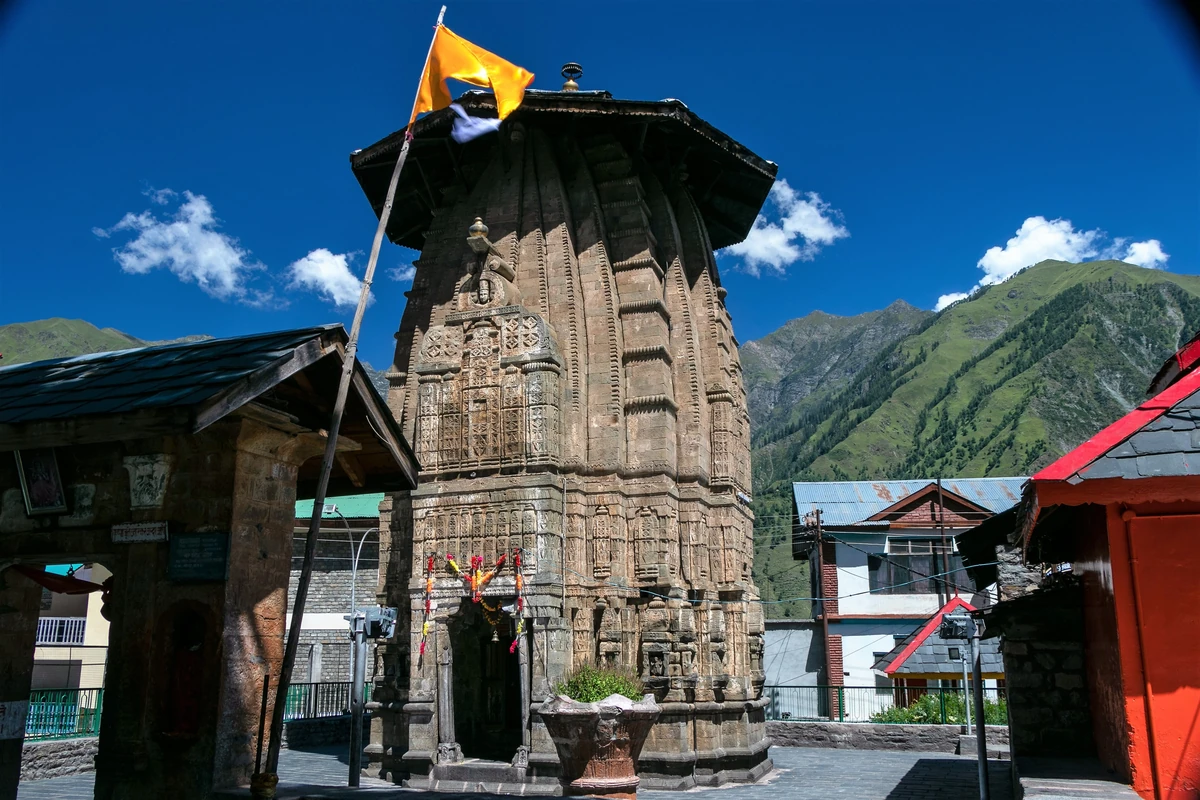
Photos: Chris Hunkeler from Carlsbad, California, USA (CC BY-SA 2.0) · Kulbhushansingh Suryawanshi (CC BY-SA 3.0) — via Wikimedia Commons, resized.
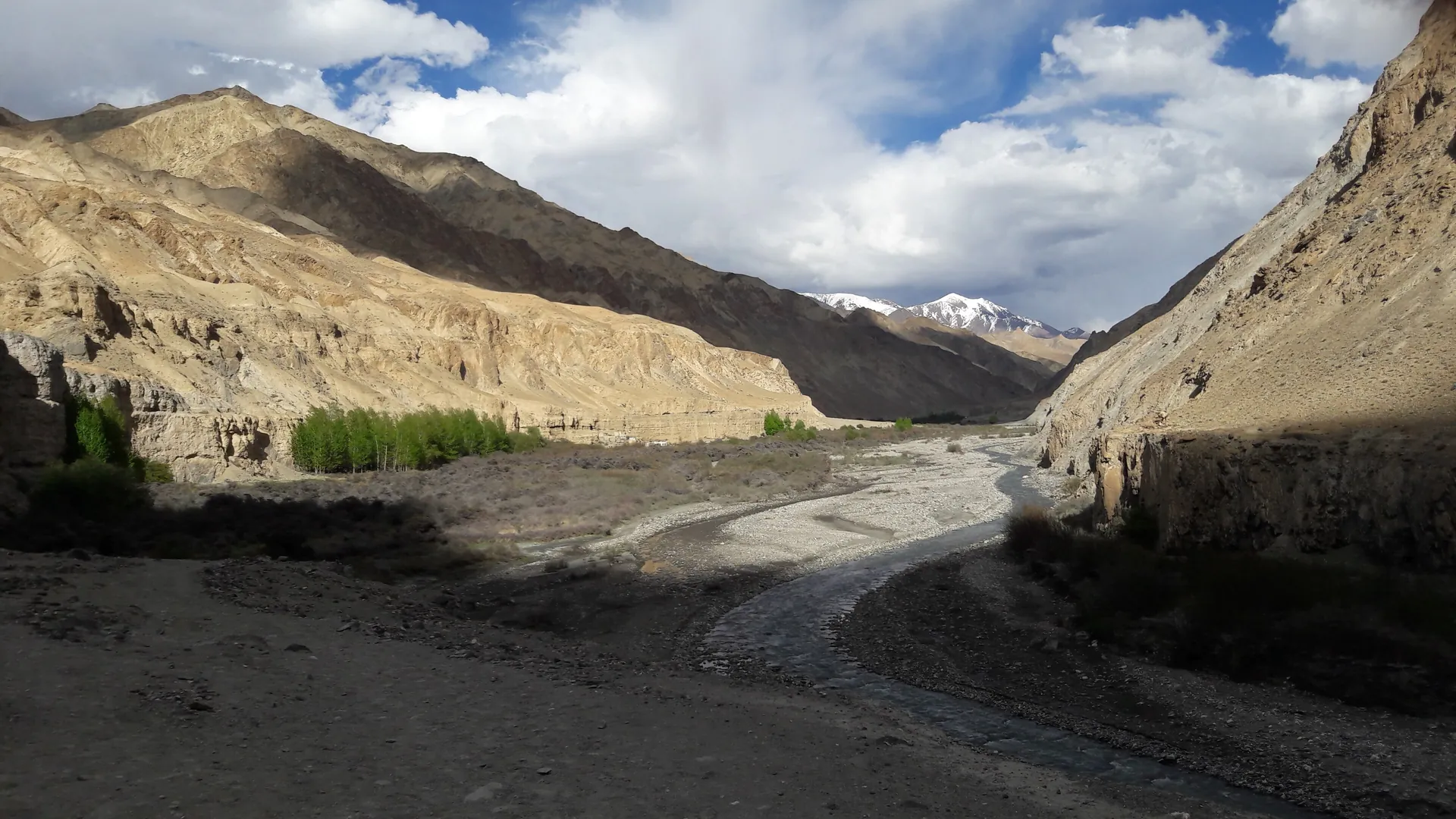
Hemis National Park lies near Hemis in Leh district, about 50 km from Leh by Wikipedia's figure. It began in 1981 as about 600 km² around the Rumbak and Markha rivers, grew to about 3,350 km² in 1988 and to about 4,400 km² in 1990. By Wikipedia's account no other national park in India lies north of the Himalayas. Its northern edge is the bank of the Indus, and it takes in part of the Zanskar Range, with peaks such as Kang Yatze at about 6,400 m and Stok Kangri at about 6,153 m nearby.
By Wikipedia's count about 200 snow leopards breed in the park, many of them around the Rumbak valley, and no protected area anywhere has them more densely. They live on bharal, argali and the Ladakh urial, or shapu, which is found in no other refuge in India. Tibetan wolves, Eurasian brown bears and red foxes share the park, and 16 mammal and 73 bird species have been recorded, among them golden eagles and lammergeiers. The cats are shy and few people see one; no page and no guide can promise it.
Late winter. Wikipedia names it as the best season for spotting the cats in Hemis, and the reasons are in their year: they mate in late winter, when marking and calling rise sharply, and in winter they come down from the highest slopes. It is also Leh's coldest stretch, with January lows of about minus 13.1 °C, the roads closed and flights the only way in; see Leh in winter.
More than 1,600 people live within the park, mostly herders, and snow leopards sometimes take their animals. Ladakh's Department of Wildlife Protection keeps the park and runs projects with the villages.
Few treks in Ladakh are walked as often as the Markha valley. Wikipedia says it usually starts over the Ganda La near Spituk and ends over the Gongmaru La near Hemis, through the villages of Rumbak, Skyu, Markha and Hankar. We give no walking times or stages: we have no source we can rely on for them.
Wikipedia says any activity in the park needs special permission from the Chief Wildlife Warden. Ask the department in Leh what applies to your plans before you set out.
The Hemis Monastery, on the park's edge, is the usual day out from Leh; the Shey, Thiksey and Hemis day goes there. Read the best time to go and things to do in Leh.
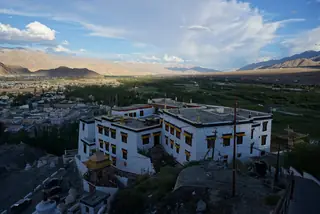
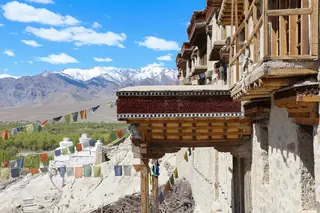
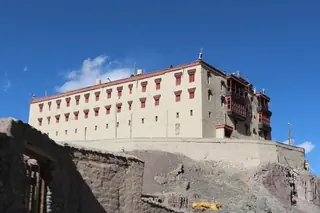
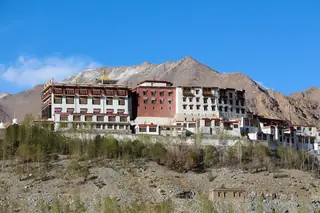
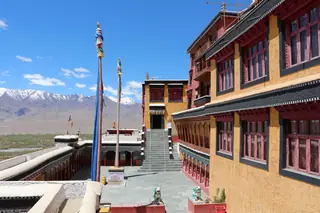
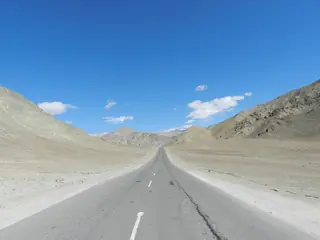
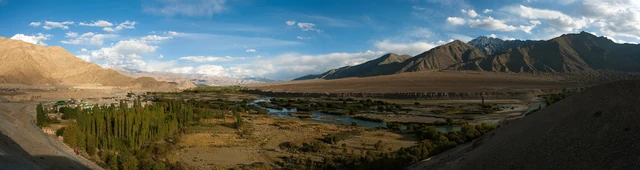
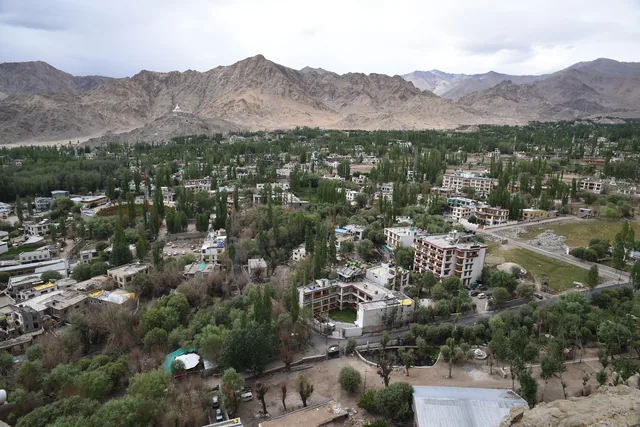
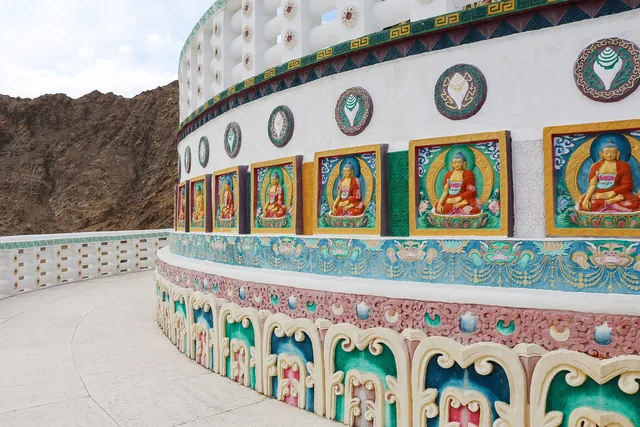
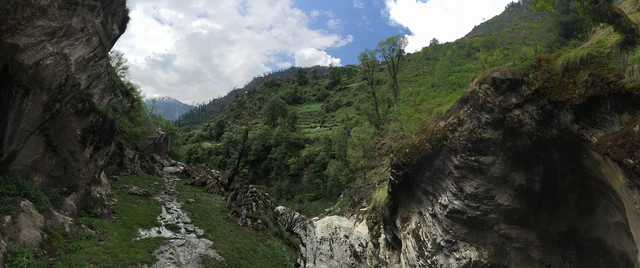
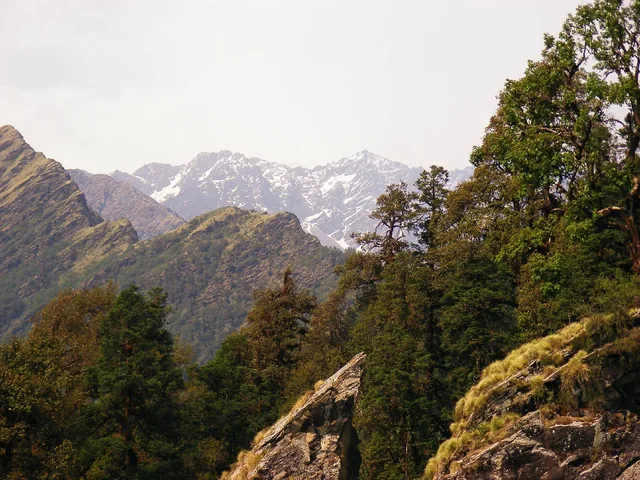
South of the Indus near Hemis in Leh district, about 50 km from Leh by Wikipedia's figure. It takes in the catchments of the Markha and Rumbak rivers and part of the Zanskar Range. It is a large park, about 4,400 km², and no other national park in India lies north of the Himalayas.
By Wikipedia's count about 200 snow leopards breed in the park, many of them around the Rumbak valley, and no protected area anywhere has them more densely. They are shy and hard to see; nobody can promise a sighting, and we do not.
Wikipedia says any activity in the park is prohibited without special permission from the Chief Wildlife Warden of Ladakh's Department of Wildlife Protection. Check the current rule with the department in Leh before you plan a trek or a wildlife trip, since we cannot verify how it is applied.
Late winter, by Wikipedia's account of Hemis National Park. That is when the cats mate, and the snow leopard article says they mark and call far more then; in winter they also come lower down the slopes. It is also the hardest season, with January lows near minus 13 °C in Leh, so go with a registered local guide.