
Naggar Castle
fort · 31 min from Manali
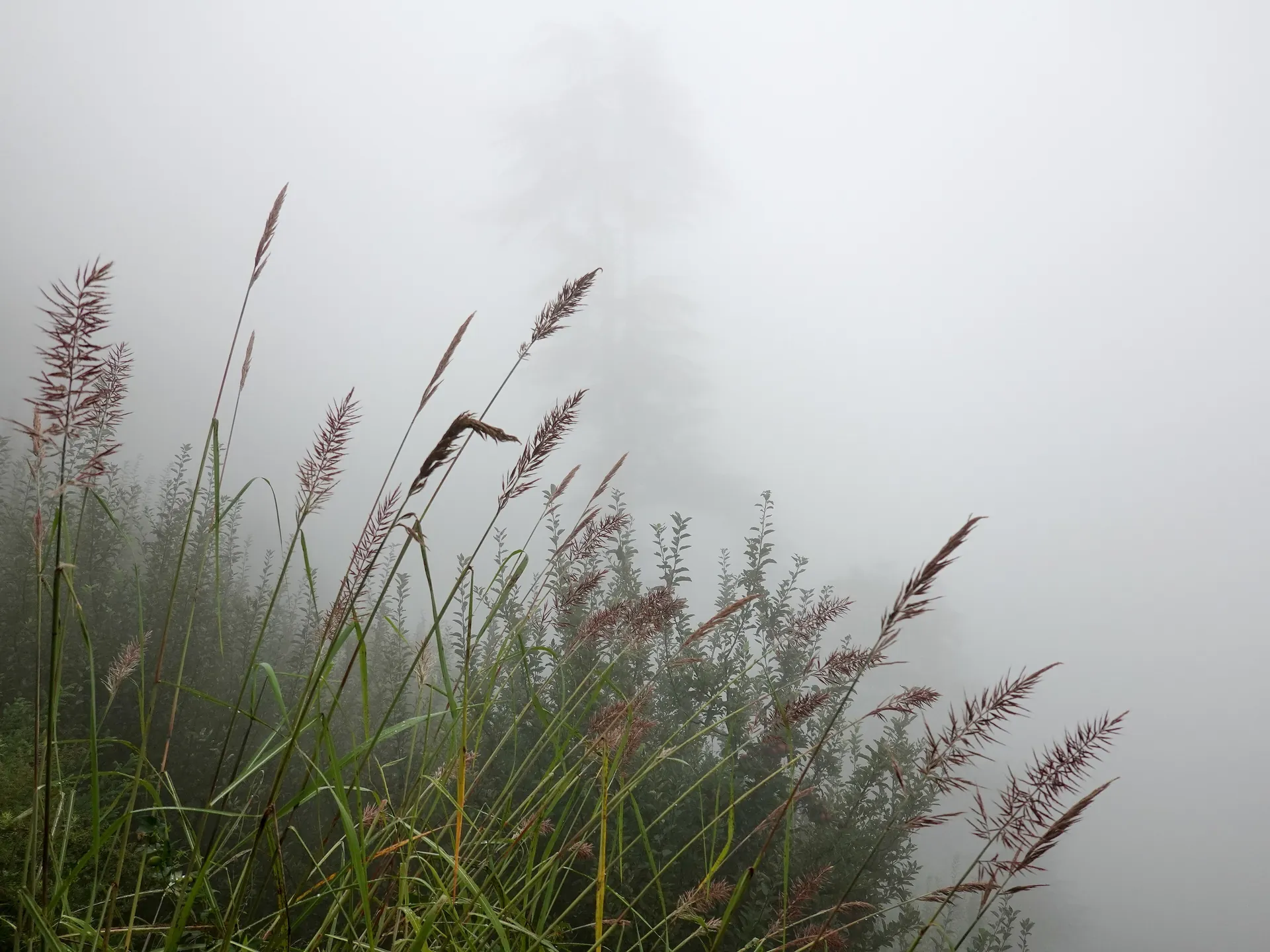
July and August are Manali's wettest months by a distance — 201.5 mm of rain in July and 217 mm in August on the IMD normals — and the valley empties. The Rohtang and tunnel roads close for hours after slides, the high meadows sit in cloud, and the guesthouses drop their rates. The valley floor, meanwhile, is at its greenest, the rivers at their loudest, and the town at its most local.
This plan is built for that: three days that never depend on a high road. Forest and a museum on the first; a castle under a roof on the second; hot water, the old village and the Mall on the third. It is the slowest plan we publish, and in the monsoon it is the right one.
Photos: Timothy Gonsalves (CC BY-SA 4.0) · Dhruv shridhar (CC BY-SA 4.0) · Dhruv shridhar (CC BY-SA 4.0) · Dinesh Valke from Thane, India (CC BY-SA 2.0) · Donvikro (CC BY-SA 4.0) — via Wikimedia Commons, resized.
Anyone who wants Manali without the crowd and does not mind the rain; readers, writers, people on a budget, couples who want the room and the café more than the drive. Not for anyone who came for the pass, the meadow or the flying — those are shut or unreliable in these months.
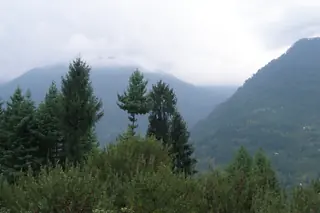
The rain comes in long spells. Everything today is under trees or under a roof, minutes from the room.
Naggar is lower and the road is low; a rainy day is a good day for a castle.
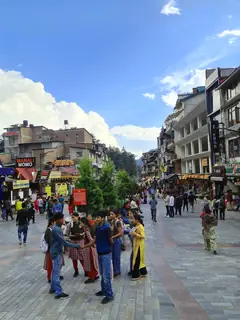
A day that never leaves the town.
The overnight bus from Delhi, 513 km, runs through the monsoon but can be delayed by slides on the Mandi–Kullu stretch; allow for it. Flights to Bhuntar, 49 km away, are cancelled in cloud more often now than in any other season — keep a road plan. From Chandigarh, 264 km and about 289 min in the dry, longer in rain.
Old Manali, where the cafés stay open and the lanes are green; many places discount now. A room with a covered balcony matters more than a view. Our stays page shows what is open and what it costs this season; the cafés page shows who is serving.
If the roads are open and the sky clears: the tunnel to Sissu in the morning, decided at eight, back by two before the afternoon rain.
If you want one walk: the sanctuary path is the one that stays safe; Jogini is for a dry morning only.
With more days: stay. This is the month to read a book in the valley, and the room is cheaper by the week.
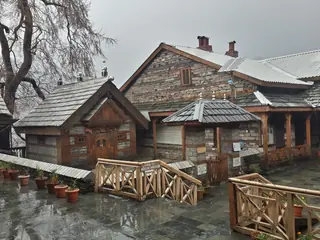
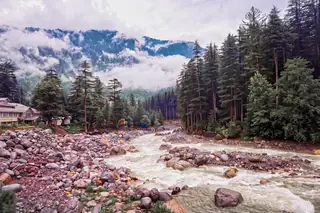
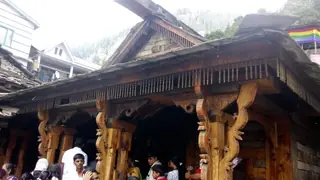
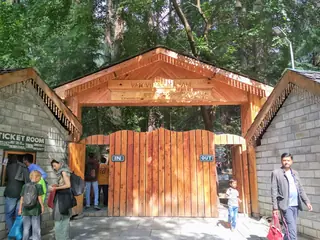
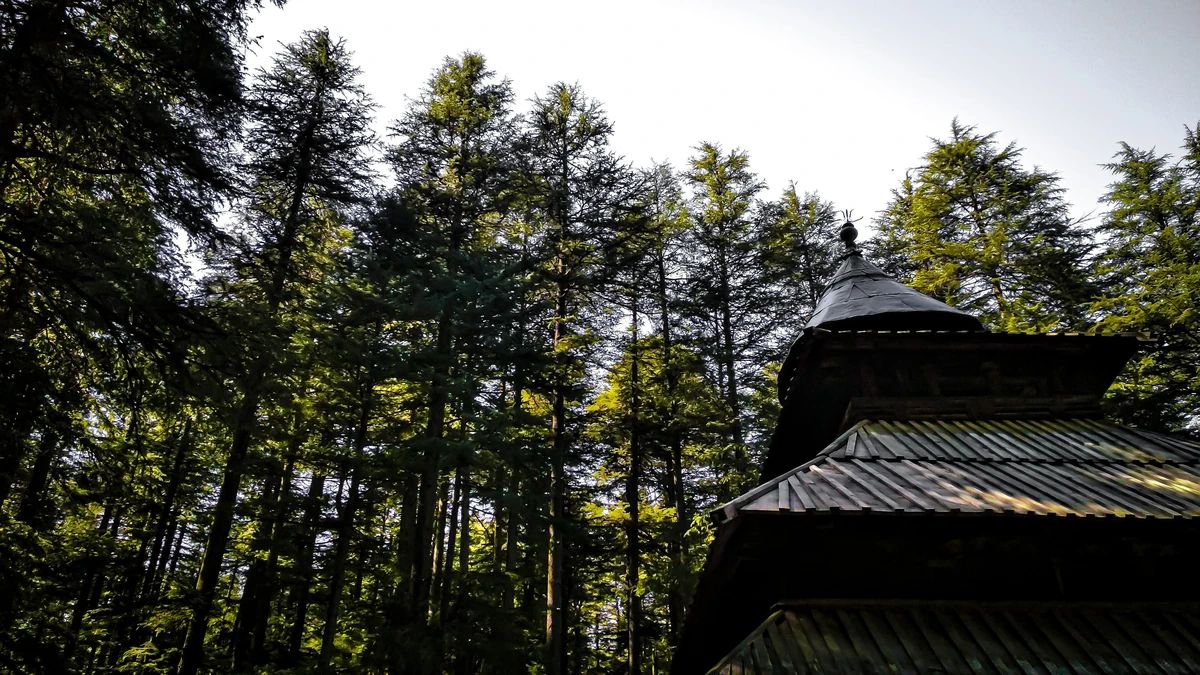 4 nights · 5 days · Slow travelClassic
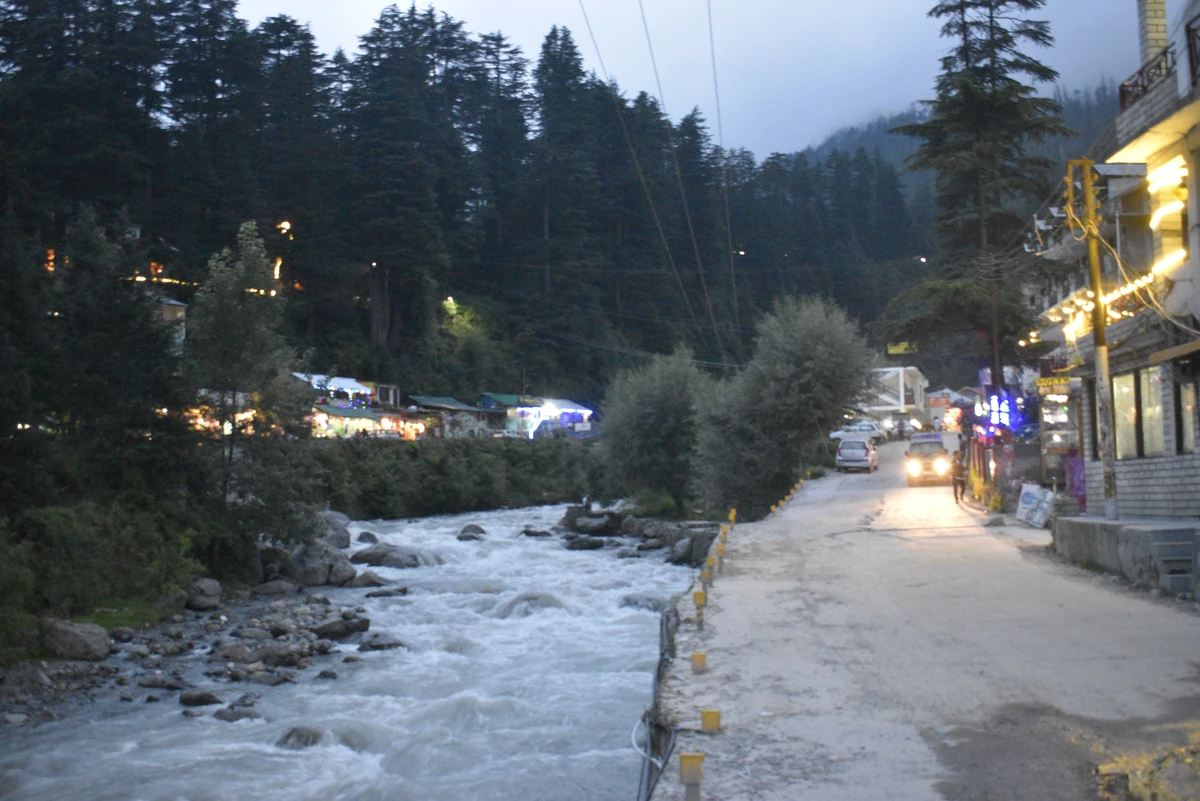 3 nights · 4 days · SoloClassic
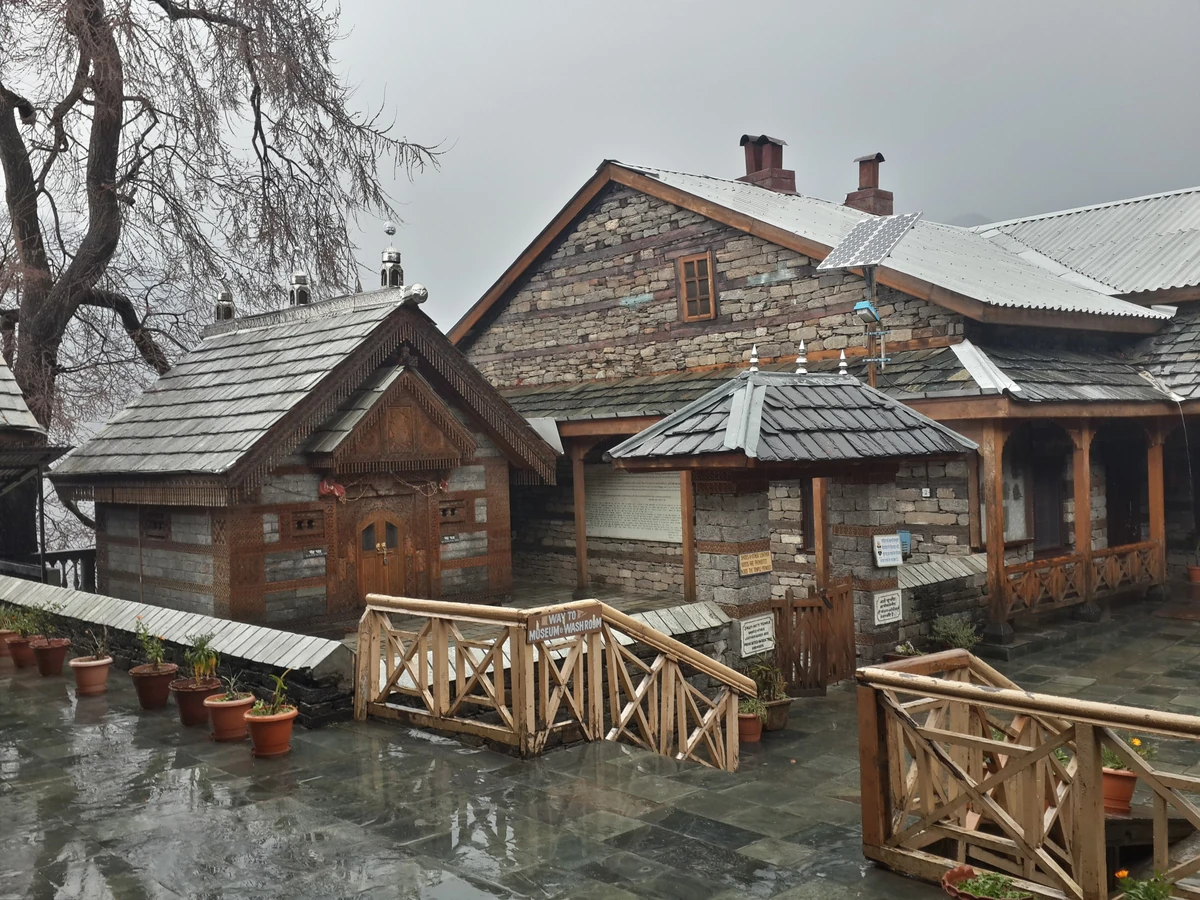 2 nights · 3 days · CouplesClassic
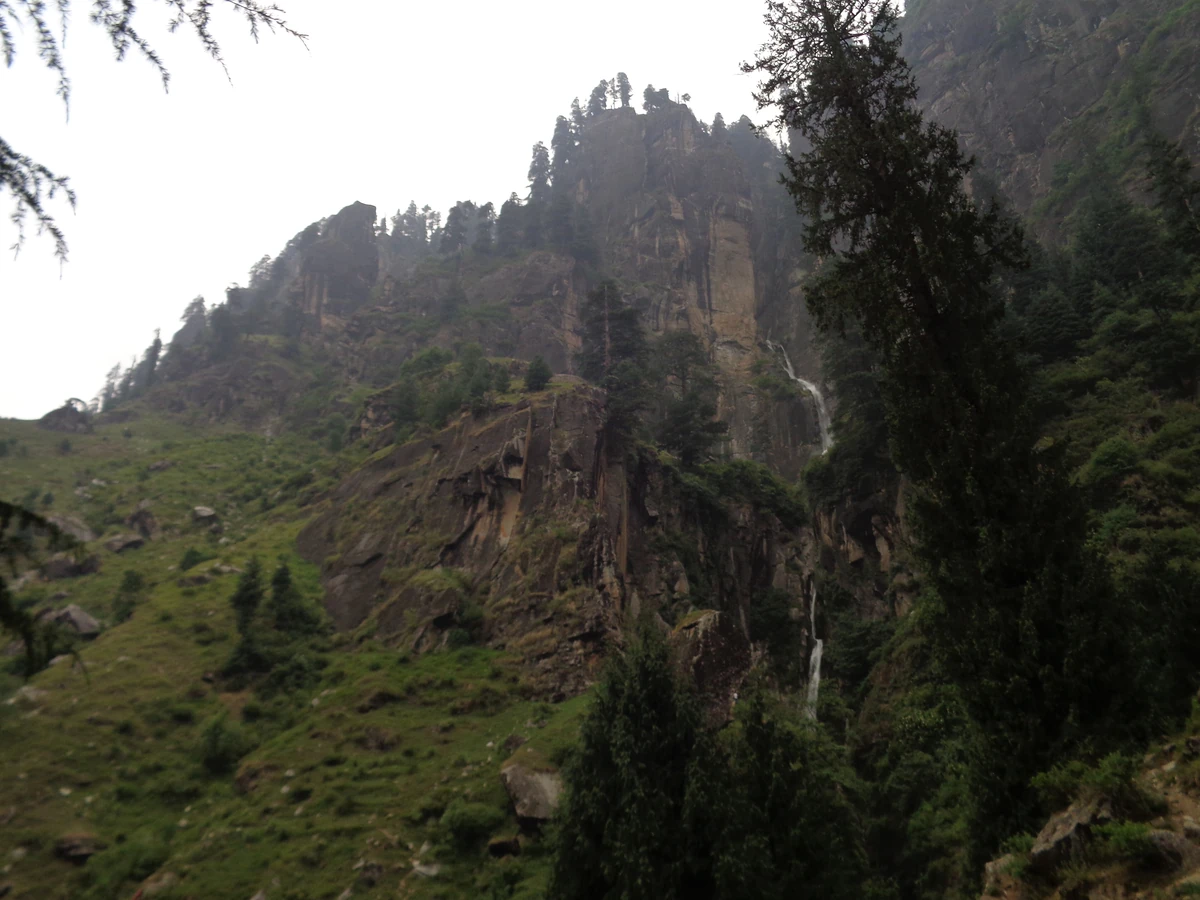 1 night · 2 days · Slow travelWaterfalls
For the green, the quiet and the prices, yes; for the drives, no. The two months bring 201.5 mm and 217 mm of rain, slides that close the high roads for hours, and cloud on the meadows. The valley floor is at its best and emptiest. Come to sit, walk in the forest and eat.
The main road up the valley from Mandi and Kullu stays open with occasional delays after slides; the Rohtang road and the tunnel road close for hours at a time after heavy rain and reopen when cleared. Check on the morning. The plan here never needs the high roads, which is why it works.
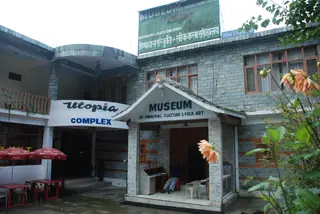
The museum at Dhungri, the castle at Naggar, the hot baths at Vashisht, the cafés of Old Manali, and the forest path in the sanctuary between showers, which is at its best under dripping deodar. The rain comes in long spells with breaks; the trick is to be minutes from the room, not hours.
Yes — it is the low season, and rooms and cafés in Old Manali and Vashisht drop their rates from the June peak. Weekly rates are negotiable. Our stays page shows this season's prices for the places we list; ask what the rate is for a week rather than a night.