Pangti — the Naga village whose name flew to Africa on a falcon
In 2013 a satellite-tagged Amur falcon named Pangti flew from a Naga village to Kenya in 13 days. How Pangti went from trapping falcons to protecting them.
Checked on
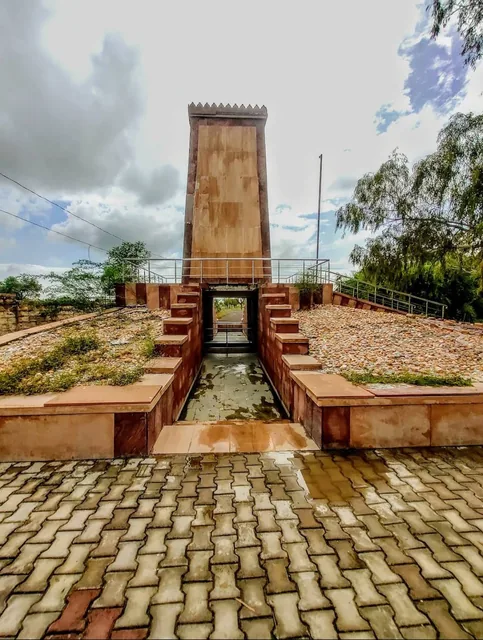
Khejarli is a village near Jodhpur in Rajasthan. What happened there in 1730 is one of the oldest stories in India of people giving their lives for trees.
In September 1730, Abhai Singh, the Maharaja of Marwar, wanted wood. Some sources say it was for a new palace. Others say his men meant to burn the trees for lime. His minister, Giridhar Bhandari, sent a party to Khejarli, where the Bishnois kept their khejri trees.
The khejri was sacred to the Bishnois. Amrita Devi, a woman of the village, would not let the trees be cut. She held on to one and said she would rather die than see it felled. The men beheaded her and three of her daughters, and began cutting.
Word went out. Bishnois from 83 villages came to Khejarli, and they went to the trees in place of the dead. By the end, 363 Bishnois had been killed protecting them.
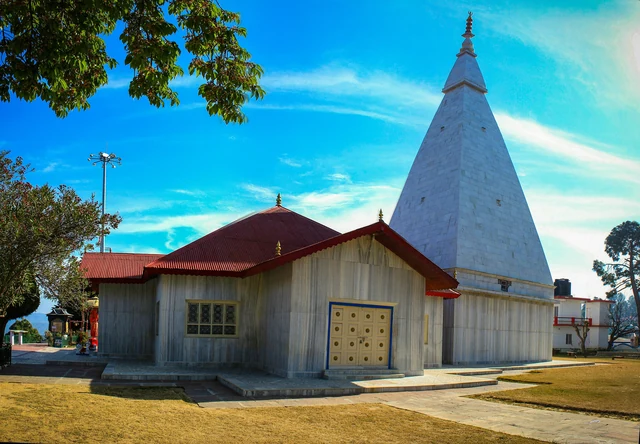
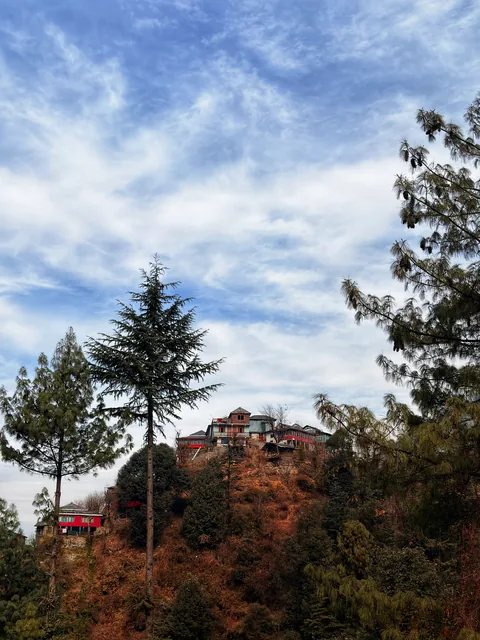
Photos: LRBurdak (CC BY-SA 4.0) — via Wikimedia Commons, resized.
Abhai Singh went to the village himself to apologise for his minister's actions. He took back the order to fell the trees, and decreed that the village would never again be made to give wood to the kingdom.
A 2024 study of the Bishnoi from IIT Jodhpur adds that the order was set down on a copper plate. By its account, it forbade felling trees and hunting animals in and around all Bishnoi villages.
Several temples and a cenotaph at Khejarli remember the dead. A fair is held there every year in September, on Shukla Dashami of Bhadrapad.
The story travelled. Wikipedia calls the massacre a precursor of the Chipko movement, which began in 1973 at Mandal village in Chamoli, in the hills of what is now Uttarakhand, not far from Chopta. There, too, villagers wrapped their arms around trees so that they could not be felled.
Some details depend on whom you read. Wikipedia gives the date as likely 11 September, and the 2024 study gives 11 September outright. The reason for the felling is told two ways, palace timber or lime. The number of villages and the number of dead, 83 and 363, are the figures most accounts give.
For a threat to Himalayan forests today, read about the fire season in a dry winter.
Reels from these places: follow @himlocal.in on Instagram
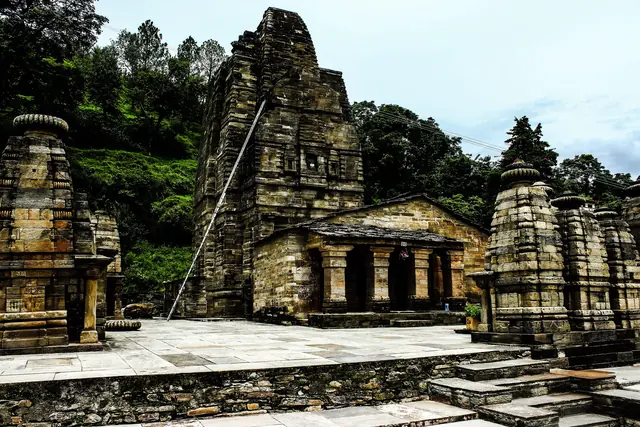
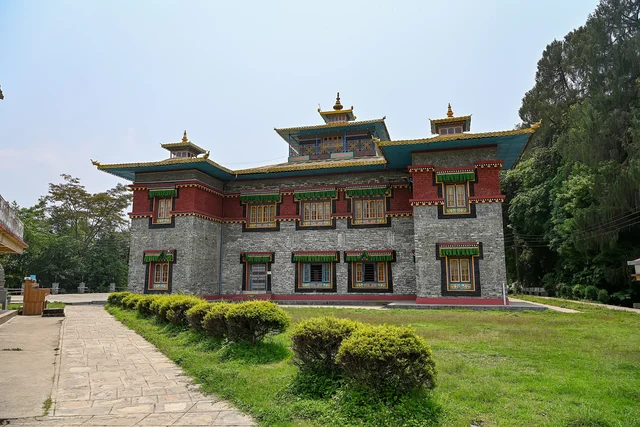
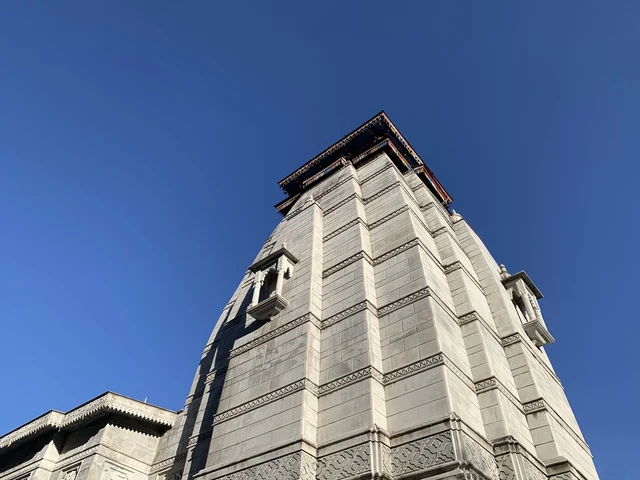

In September 1730, men sent by the ruler of Marwar came to fell khejri trees at Khejarli, near Jodhpur. Amrita Devi, a Bishnoi woman, held on to a tree and refused to let it go. She and three daughters were beheaded, and 363 Bishnois from 83 villages died before the felling stopped.
A Bishnoi woman of Khejarli who, in September 1730, refused to let the ruler's men cut the village's sacred khejri trees. She said she would rather die than see them felled, and she was beheaded with three of her daughters. Her stand led Bishnois from 83 villages to the trees, and 363 died.
As an inspiration. Wikipedia calls the Khejarli massacre a precursor of the Chipko movement, which began in 1973 in the hills of what is now Uttarakhand. There, villagers wrapped their arms around trees so they could not be felled. The idea of holding a tree to save it is the same.
Abhai Singh, the Maharaja of Marwar, went to the village himself to apologise for his minister and took back the order. He decreed that the village would never again be made to give wood to the kingdom. A 2024 study says the order, on a copper plate, forbade felling trees and hunting near Bishnoi villages.