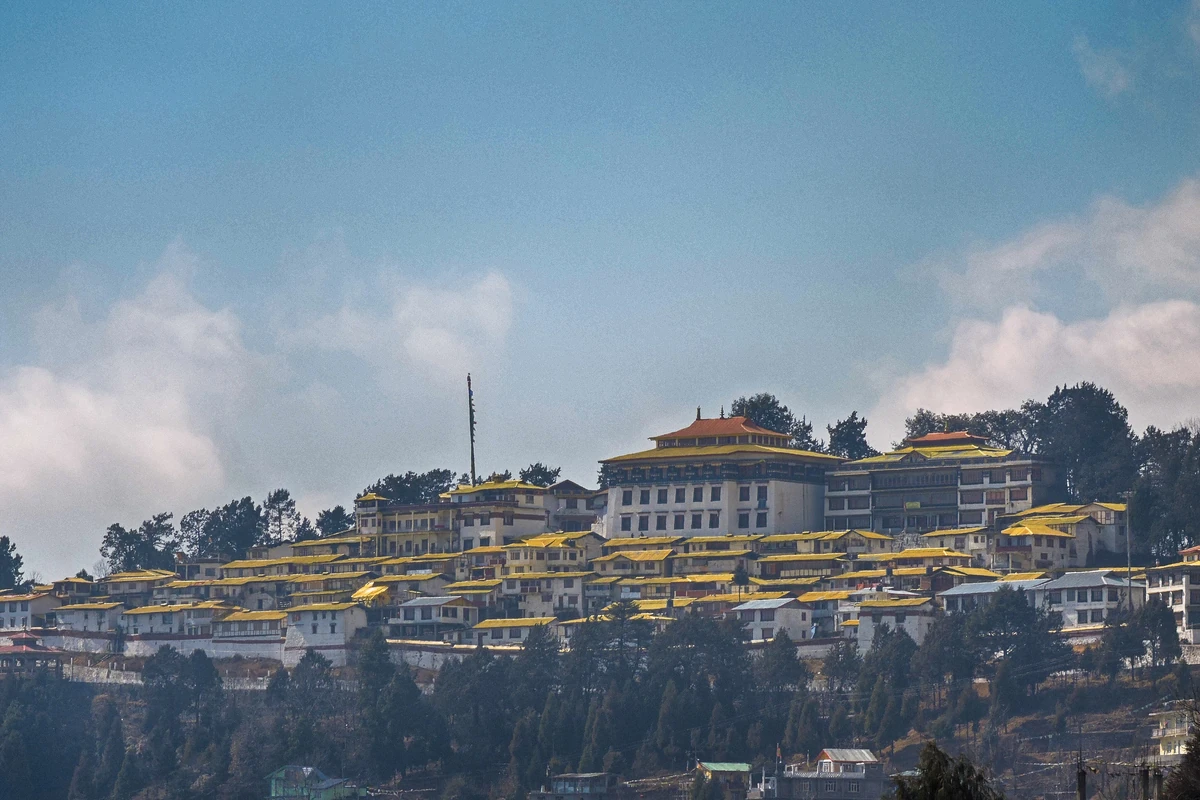
Pangti — the Naga village whose name flew to Africa on a falcon
In 2013 a satellite-tagged Amur falcon named Pangti flew from a Naga village to Kenya in 13 days. How Pangti went from trapping falcons to protecting them.
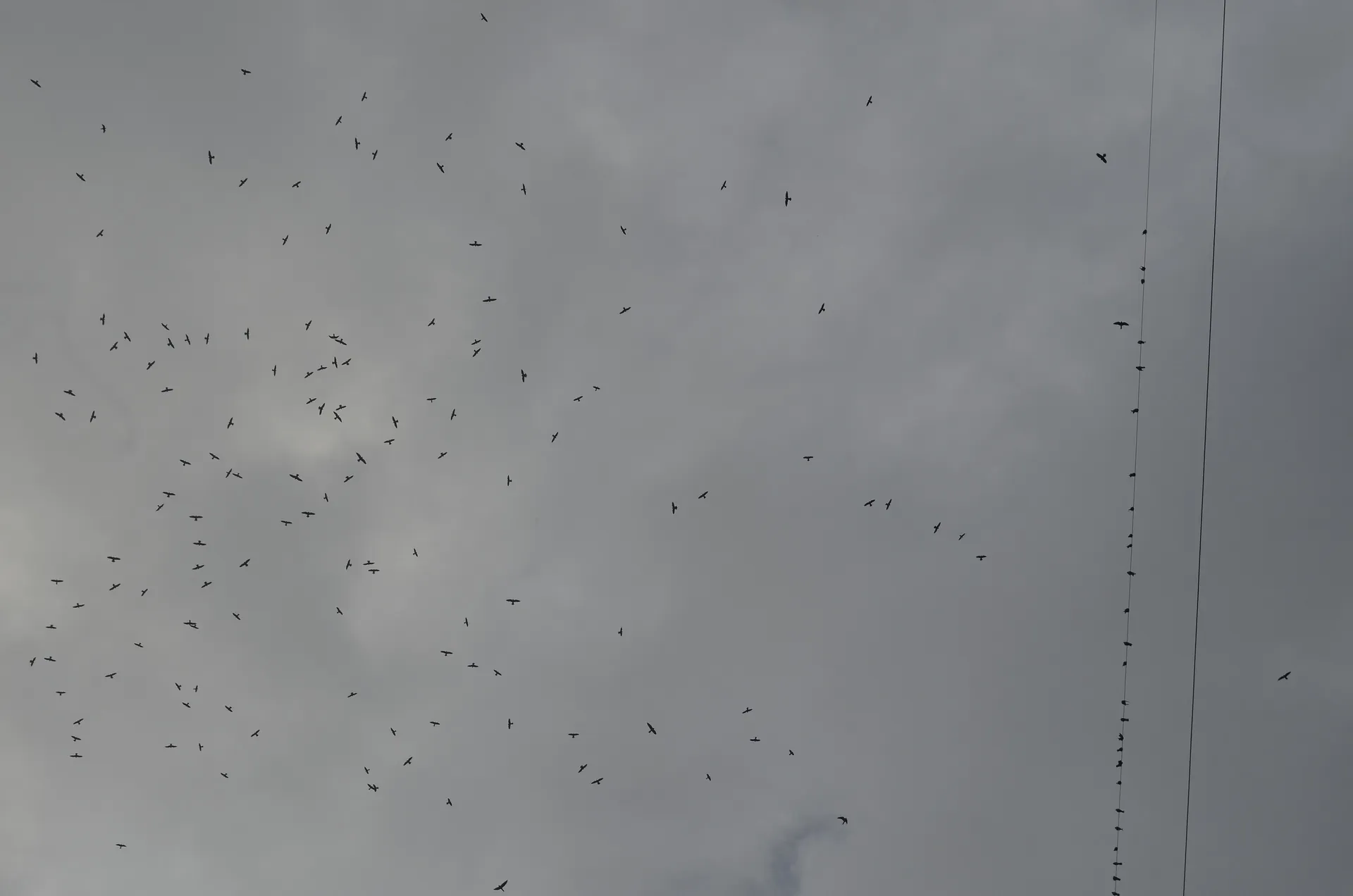
Every autumn, huge flocks of a small raptor, the Amur falcon, come down out of the sky over the hills of Wokha district in Nagaland. They are on their way from Siberia and northern China to Africa, and for about two months the forests around one Lotha village are full of them. That village is Pangti. In 2013 one of these falcons carried its name all the way to Kenya.
In 2012 the mass trapping of migrating Amur falcons at Pangti was reported in the media, and large numbers were being taken for food. A campaign to stop the killing followed. The villages of Pangti, Asha and Sungro then signed an agreement with the Nagaland Forest Department to halt any future harvest of the birds.
What came next is the part of the story the village chose itself. Pangti, which had been in the news for trapping the falcons, became the place that guards them, and it is now called the Falcon Capital of the World.
A falcon called Pangti
In November 2013 three of the falcons were fitted with small satellite transmitters, each about 5 g, so their journey could be followed. The state's Chief Wildlife Warden named them Naga, Wokha and Pangti. The bird called Pangti, a female, was set free by the chairman and leader of Pangti village, with many of its people watching.
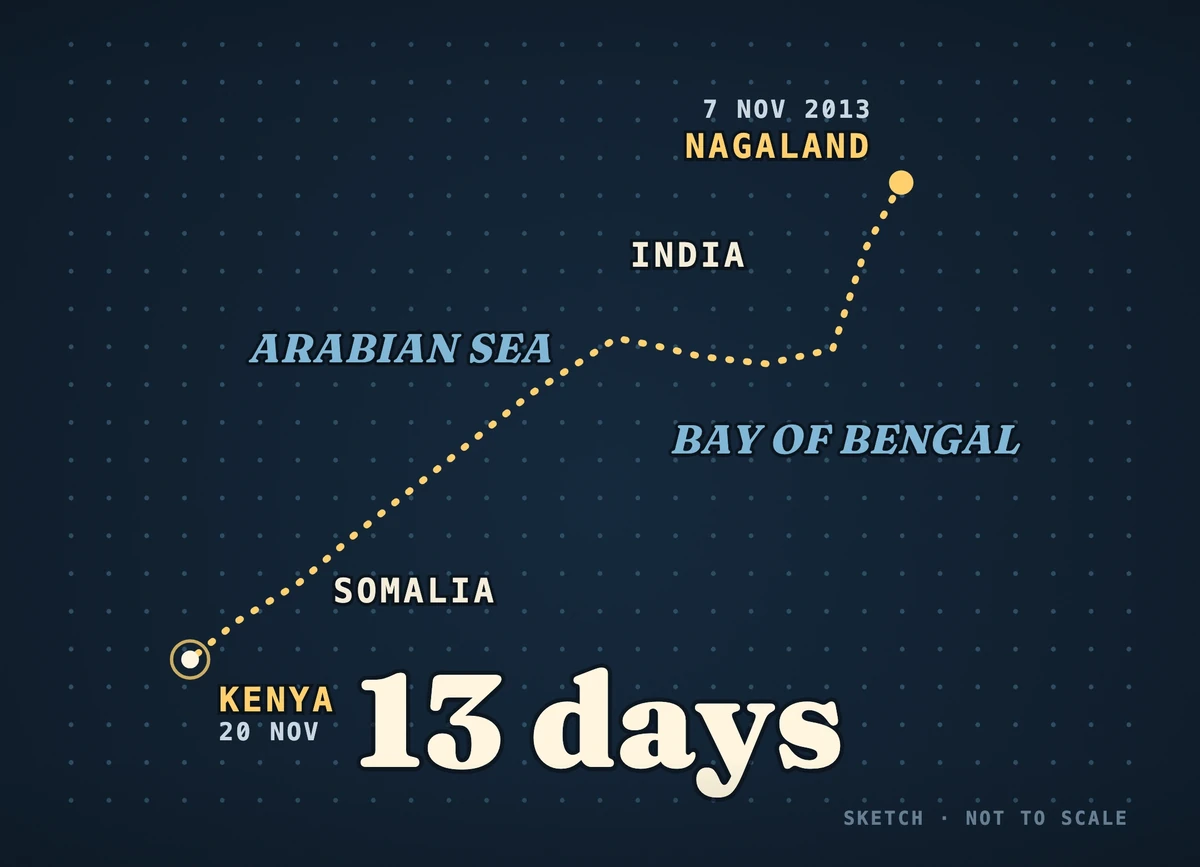
From release on 7 November, the tracking told her story day by day:
She flew over Silchar in Assam and Agartala in Tripura, into Bangladesh.
She crossed the Sundarbans and went out over the Bay of Bengal.
She crossed peninsular India and left the west coast, then flew over the Arabian Sea to the coast of Somalia.
On 20 November 2013 she entered Kenya, flying near Dadaab.
The forest department's release that month said the birds had taken 13 days to fly from Nagaland to Africa. A falcon named after a Naga village had crossed an ocean.
Amur falcons breed in south-eastern Siberia and northern China and spend the winter on the coasts of eastern and southern Africa. In between, they cross India in a broad front and then the Arabian Sea. The hills around the Doyang reservoir in Wokha district are one of the places where they stop on the way, in enormous numbers.
Been here?Help the next traveller — our team checks every contribution.
Questions people ask
Why is a falcon named Pangti?
In November 2013 three Amur falcons were fitted with small satellite transmitters in Nagaland and named Naga, Wokha and Pangti by the state's Chief Wildlife Warden. The bird called Pangti, a female, was named after the village and was set free by the chairman and leader of Pangti village, with many residents watching.
How far did the falcon Pangti fly?
Released on 7 November 2013, Pangti crossed Bangladesh and the Bay of Bengal, flew over peninsular India and across the Arabian Sea to the coast of Somalia, and entered Kenya on 20 November. The birds took 13 days to fly from Nagaland to Africa, according to the Nagaland forest department's release that month.
What changed at Pangti?
In 2012 the mass trapping of migrating Amur falcons at Pangti was reported in the media, and a campaign followed. The villages of Pangti, Asha and Sungro signed an agreement with the Nagaland Forest Department to stop any future harvest. Pangti now protects the falcons and is called the Falcon Capital of the World.
Where do Amur falcons come from and where do they go?
Their breeding grounds are in south-eastern Siberia and northern China. Each autumn they travel in big flocks through India, then cross the Arabian Sea, and winter on the coasts of eastern and southern Africa. On the way, huge numbers stop in the hills around Pangti for about two months during their migration.