Sir George Everest's House, Mussoorie
viewpoint · 18.0 km away
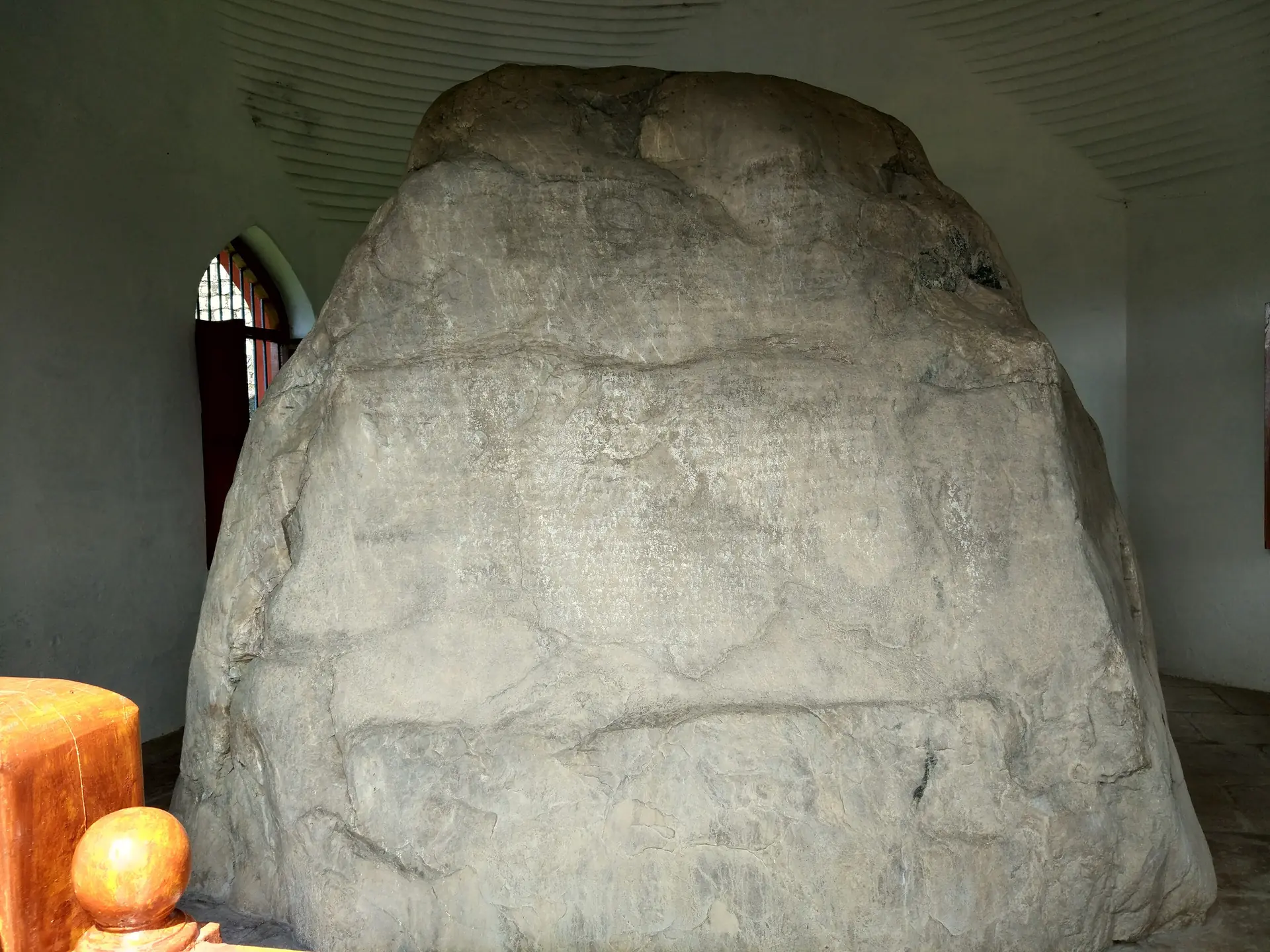
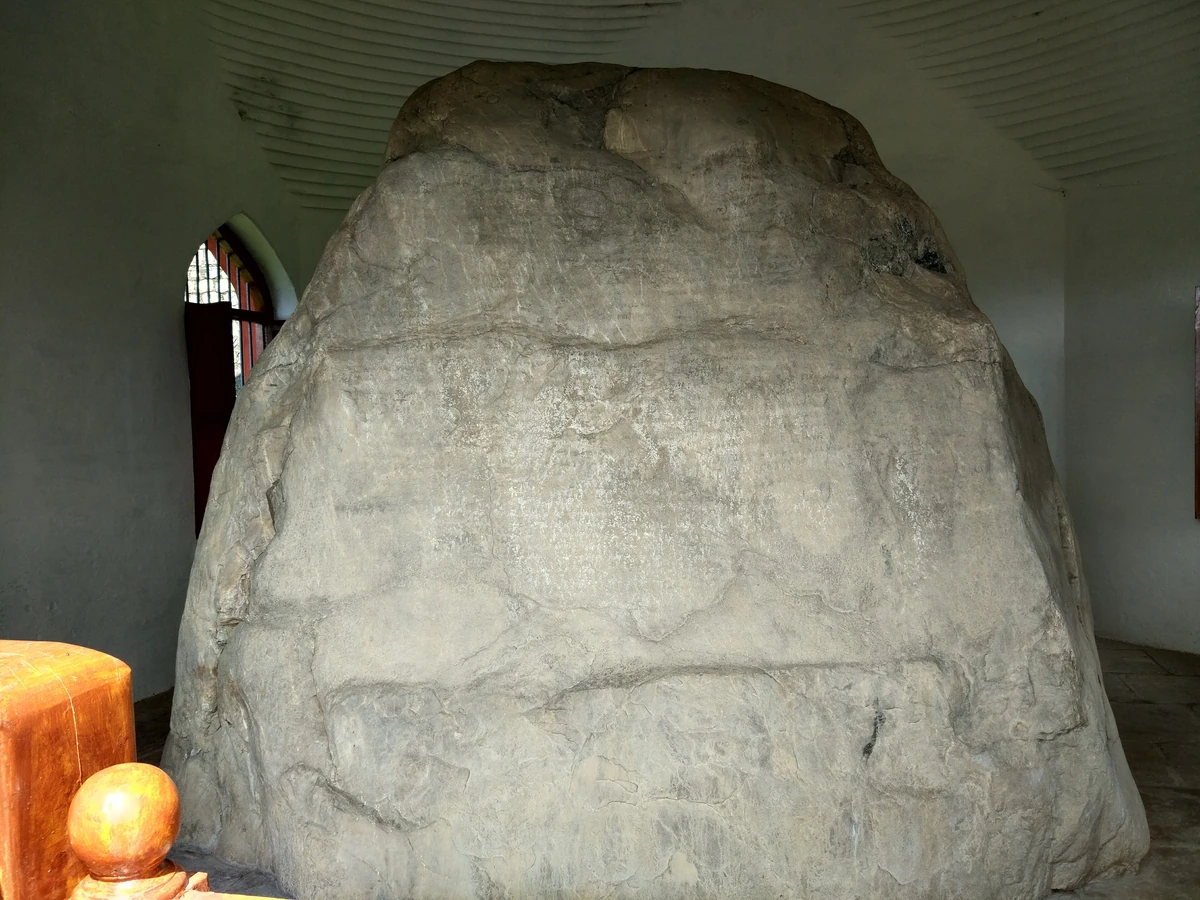
The Rock Edicts of Kalsi, also written Khalsi, are fourteen edicts of the emperor Ashoka cut into a single large boulder near the village of Kalsi, in Dehradun district of Uttarakhand. They date to around 250 BCE. The Archaeological Survey of India describes Kalsi as the only place in north India where the full set of fourteen rock edicts was inscribed, and the site was notified for protection in 1909. It lies across the state border from Paonta Sahib, and the Tons, the Yamuna's largest tributary, joins the river just below Kalsi.
Photos: Mishra.prashant89 (CC BY-SA 4.0) · Mishra.prashant89 (CC BY-SA 4.0) · Eugen Hultzsch (29 March 1857 - 16 January 1927) (Public domain) — via Wikimedia Commons, resized.
About 29 km and 37 minutes by road from Paonta Sahib, by our routing over the road network. The route leaves Himachal Pradesh and enters Uttarakhand, so it is a short cross-border drive rather than an outing within the district. We have found no published opening hours or entry fee for the site, so ask in Paonta Sahib or at the gate before you set out. Allow about 45 minutes at the rock itself, which is our own planning figure rather than a published one.
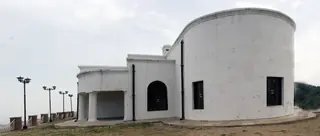
The boulder stands inside a small covered shelter with a low dome, behind a wooden railing, in a walled garden. The text starts on the east face, which carries the first twelve edicts and the opening of the thirteenth, and continues on the south face. It is written in the Brahmi script. The Survey describes it as Ashoka's policy of non-violence and of fatherly concern for his subjects' welfare. In the photographs the lines are faint against the pale rock.
The north face carries something different: the incised outline of an elephant, with a short word beside it that is read as Gajatama. Its meaning is uncertain, and it is often taken to be something like "the best elephant".
The Kalsi version is complete, with all fourteen of the major edicts, and for that reason it is sometimes called the standard version. The thirteenth edict looks back on the Kalinga war and the emperor's remorse, and it names Antiochus, Ptolemy, Antigonus, Magas and Alexander, rulers of the Greek-speaking world to the west. Because the kings it names are known from other records, this edict helped date the reign of Ashoka to between about 260 and 230 BCE. The rock was reported to the scholarly world by Alexander Cunningham about 1850, according to Wikipedia.
Sources differ on small points, such as the language the edicts are in, so we have kept to the facts that they all repeat. We have no verified information on guides, parking or facilities, and the village is small. Combine it with the gurdwara in the one-day plan, and see when to visit Paonta Sahib for the weather.
Paonta Sahib's own landmarks are Gurdwara Paonta Sahib and Renuka Lake, which has its own day. Things to do in Paonta Sahib lists every stop, and how to reach Paonta Sahib covers the roads from Dehradun and Chandigarh.
They are the Major Rock Edicts of Emperor Ashoka, cut into one large boulder at Kalsi, in Dehradun district of Uttarakhand, around 250 BCE. Kalsi carries all fourteen of them in the Brahmi script, which is why the Archaeological Survey of India calls it the only place in north India with the full set.
About 29 km and 37 minutes by road from Paonta Sahib, by our routing. Kalsi lies on the Uttarakhand side of the border. We have not measured the walk from the gate to the rock. The photographs show a lawn and a paved path between the gate and the shelter.
An outline of an elephant, with a word beside it in Brahmi read as Gajatama. Its meaning is uncertain, and it is often taken to be something like "the best elephant". The main inscription runs across the east face, and the thirteenth edict continues round onto the south face.
Five rulers of the Greek-speaking world: Antiochus, Ptolemy, Antigonus, Magas and Alexander. The edict says the emperor's "conquest by Dharma" had reached their kingdoms, and it helped scholars date his reign, so Kalsi matters well beyond its small village.