Things to do in Barot — 4 things, and what each needs
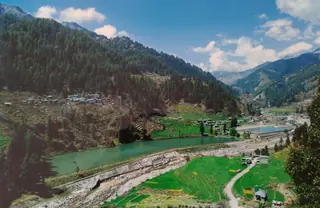
Four things to do in Barot in the Uhl valley: the 1932 barrage and reservoir, trout and the Uhl river, the Nargu sanctuary and treks such as Dehnasar Lake.
Checked on
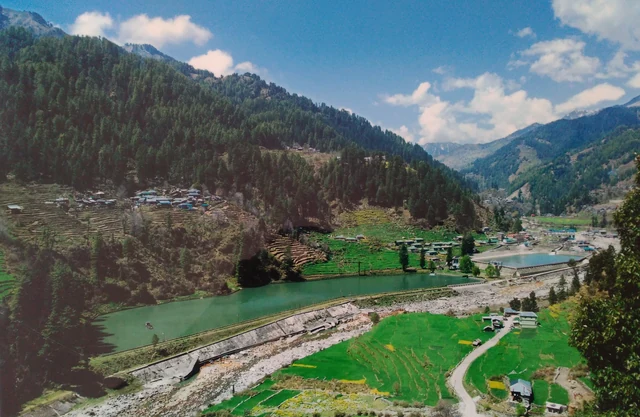
In 1925 Raja Joginder Sen and the British engineer Colonel B. C. Batty planned a hydro scheme: take the water of the Uhl river at Barot through the mountain and drop it onto turbines at Jogindernagar, on the other side of the ridge. To get the machinery there, a narrow-gauge railway was laid all the way from Pathankot. To get the material for a barrage up to Barot, they built a haulage line, a trolley hauled by cable up the mountainside from the power house, over the top and down the far side.
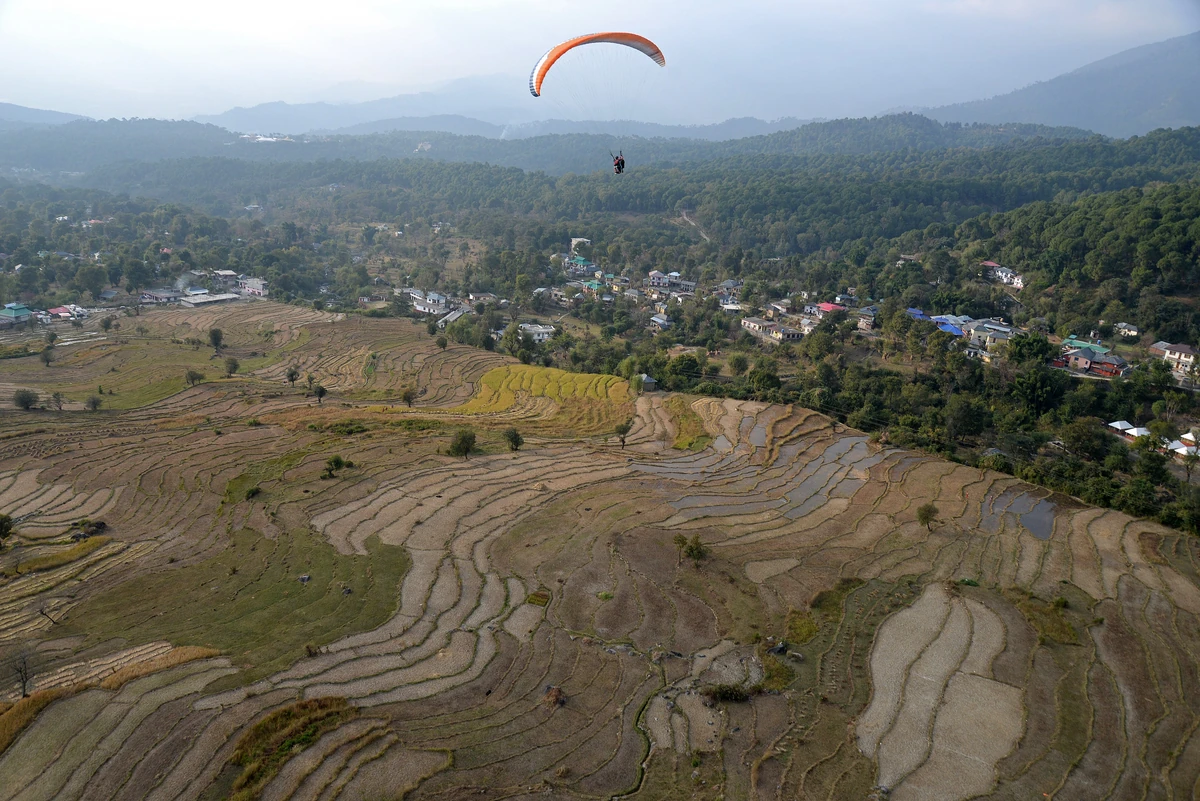
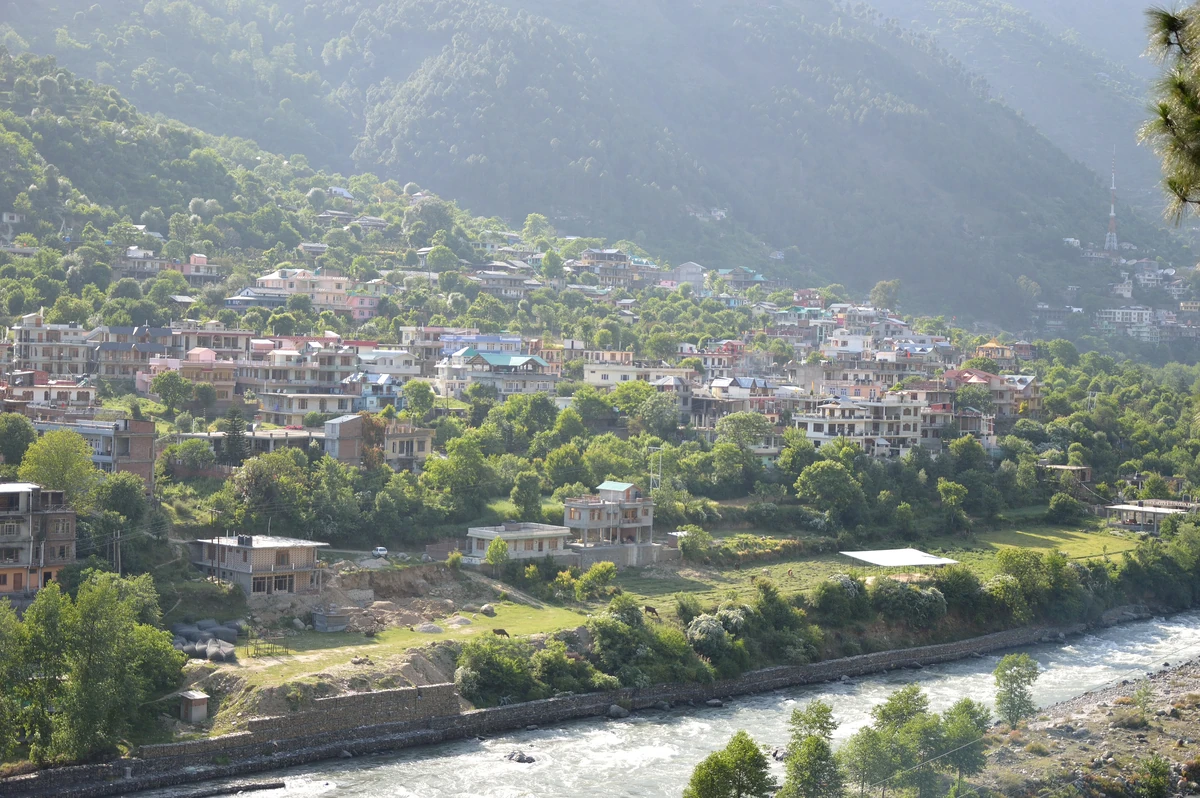
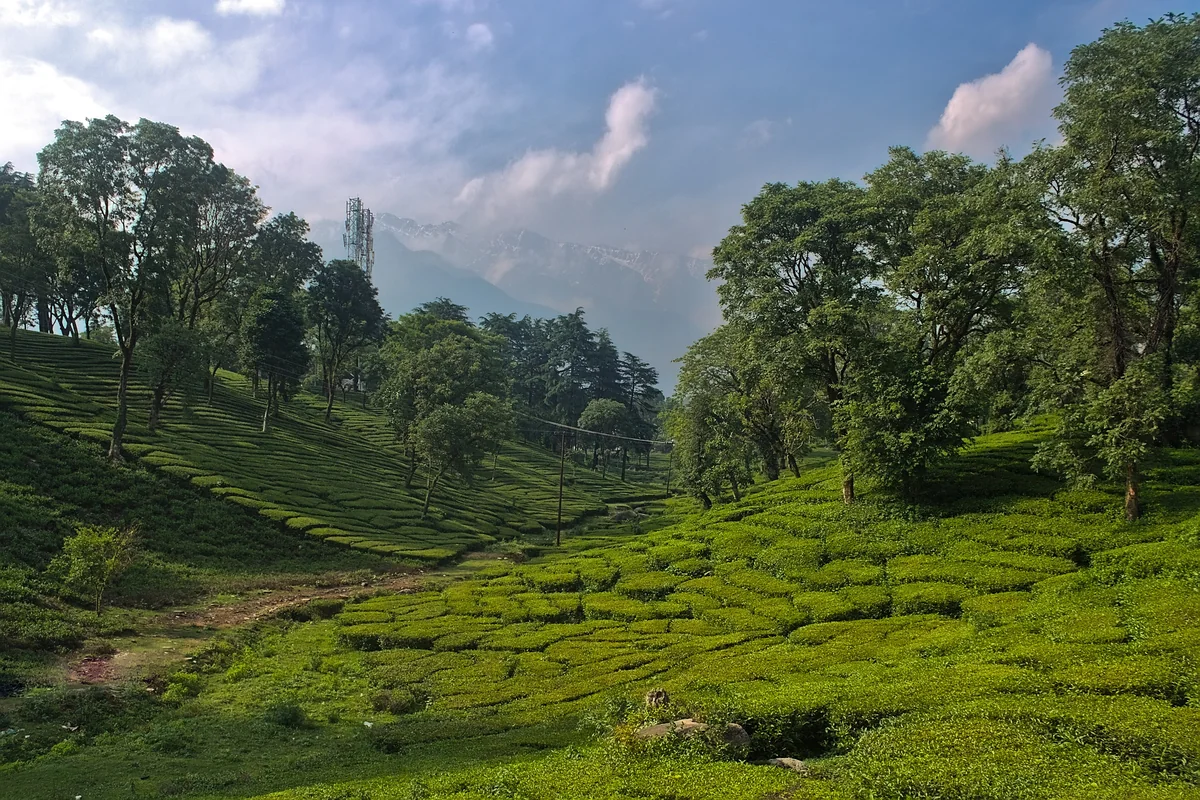
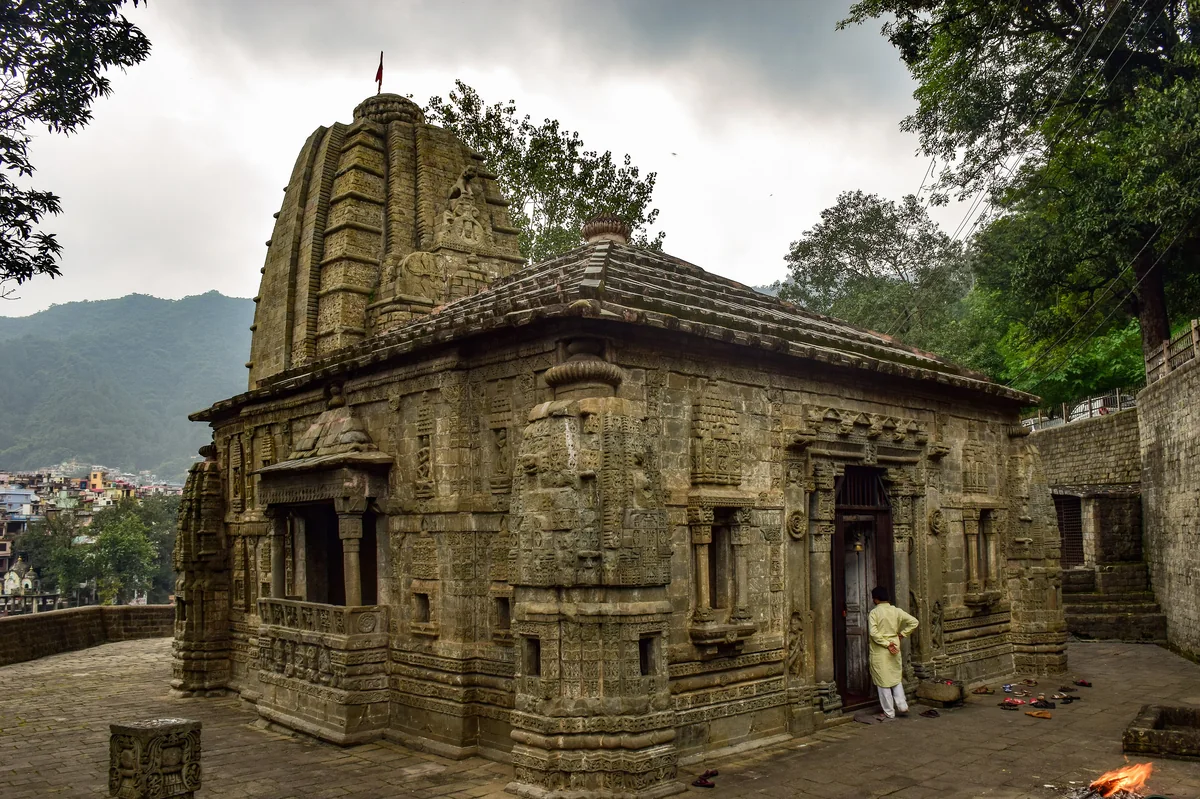
Photos: Timothy A. Gonsalves (CC BY-SA 4.0) · Timothy A. Gonsalves (CC BY-SA 4.0) — via Wikimedia Commons, resized.
The Shanan power house was commissioned in 1932, 2 km from Jogindernagar. For more than forty years after that, the trolley was the only way into Barot. The road came only in 1975. The valley still sums itself up in three words: trolley, trout and train.
From the base station at the power house, at about 1,240 m, the funicular climbs to Winch Camp at about 2,450 m, the highest settlement in the valley, with deodar and rhododendron around it. From there a narrow-gauge track of about 3 km, laid in the 1920s, runs along the top to Head Gear at about 2,550 m. Wikipedia notes that it is higher than Ghum station on the Darjeeling line, at 2,258 m. From Head Gear the line drops down to Barot and the Uhl reservoir.
Winch Camp to Head Gear is no longer in use. The trolley up from the power house belongs to the Punjab state power utility, now PSPCL, and carries only its own staff: it is not open to the public at all. Wikipedia's Barot article says it runs only now and then, to inspect the penstocks. Treat it as a working line, not a ride.
There are two ways.
has the times from the main towns.
track to Winch Camp and on along the top to Head Gear, then down to Barot. It is a long, steep day with a big climb from the power house to the ridge and a steep drop on the other side. We have not measured the path ourselves and the accounts of how long it takes disagree, so start early, carry water, and ask in Jogindernagar about the path before you set off.
Things to do in Barot for the reservoir, the trout and the Nargu sanctuary, the Dehnasar Lake trek, and the Thamsar Pass trek on the old Gaddi route from Bir to Bara Bhangal.
 One day in Barot — the Uhl river and the barrageDay plan, ready to copy and change
Reels from these places: follow @himlocal.in on Instagram
Local businesses that list on HimLocal, nearest first. We don’t rank or review them — each page has their own details.
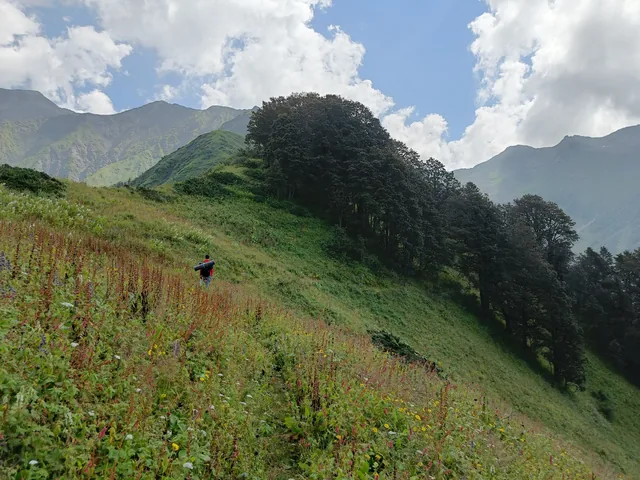
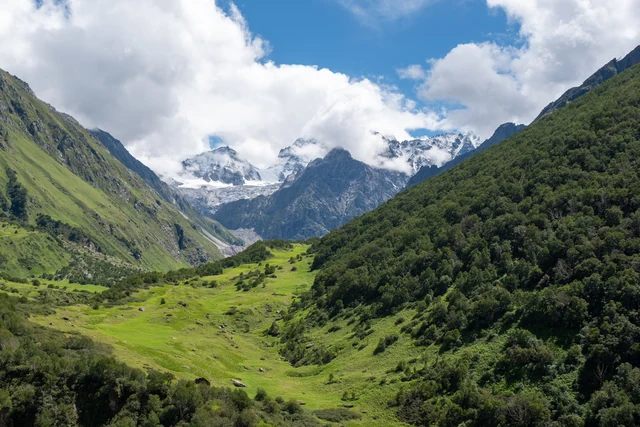
The highest settlement in the Joginder Nagar valley, at about 2,450 m by Wikipedia's figure. It sits on the old haulage line built in the 1920s for the Shanan hydro project, between the power house at Jogindernagar and Head Gear on the ridge above Barot. Deodar and rhododendron grow around it.
No. The trolley carries only the power company's own staff, not the public. It belongs to the Punjab state power utility, and Wikipedia's Barot article says it runs only now and then, for inspections of the penstocks. Visitors walk up beside the line or come to Barot by road.
About 40 km by road, by Wikipedia's figure, by the road that climbs through Jhatingri. The old trolley line over the ridge is much shorter, about 12 km by the same account. That shortcut is why people still walk up along the line to Winch Camp and beyond.
It was laid in the late 1920s to carry building material up to the Uhl river at Barot, where a barrage and reservoir were built for the Shanan power house. The power house was commissioned in 1932. Until a road reached Barot in 1975, the trolley was the only way in.