
Mansa Devi Temple, Haridwar — the hilltop shrine and its ropeway
temple · 560 m away
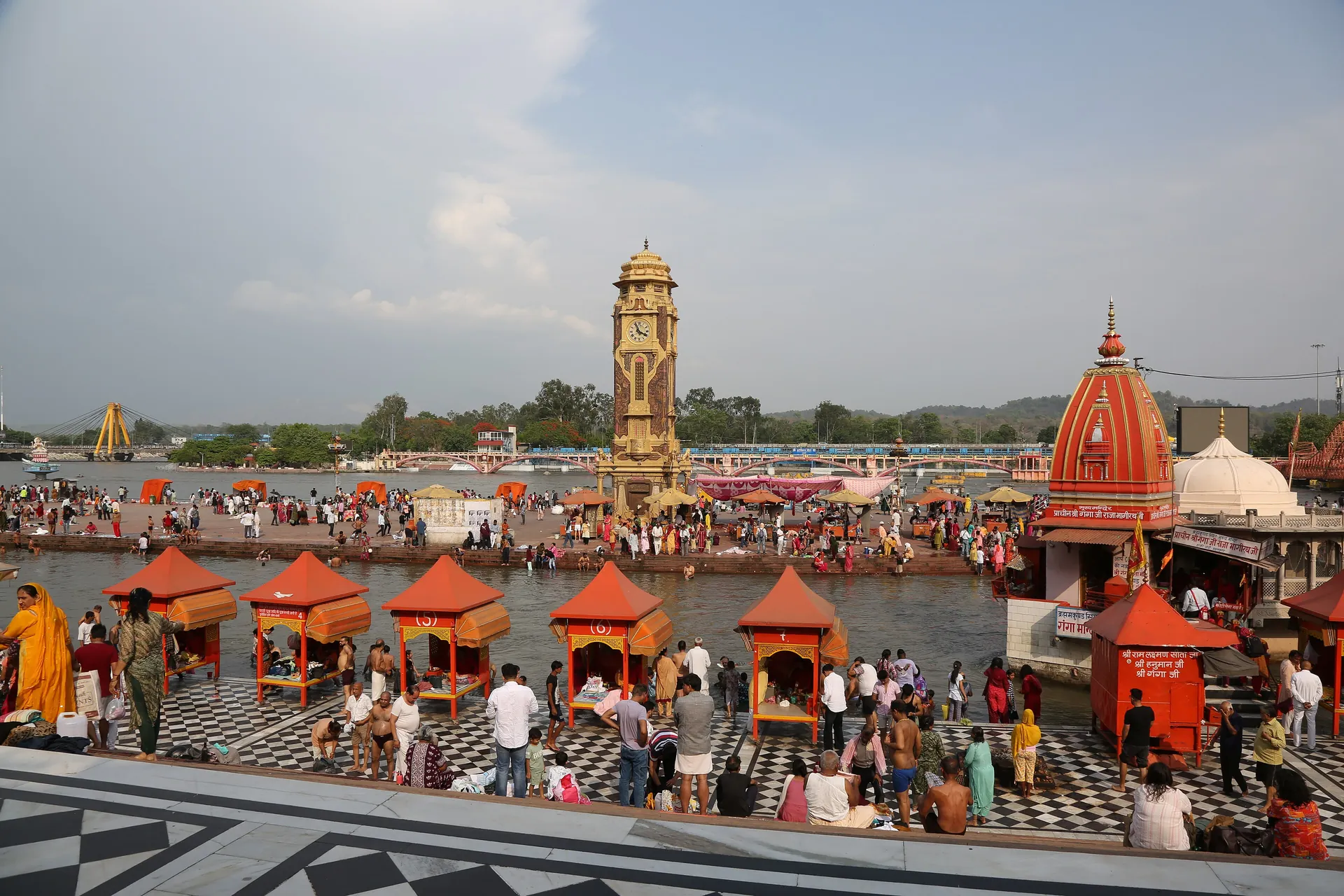
Har Ki Pauri is the best-known ghat of Haridwar, on the bank of the Ganga canal at the point where the river leaves the Shivalik hills for the plains. Wikipedia reads the name as the feet of Vishnu, or Hari. It is one of the five pilgrim sites of Haridwar, under its old name Gangadwar, and its Brahmakund is regarded as the most sacred stretch of the ghat. Tradition says the king Vikramaditya built it, in the 1st century BCE, in memory of his brother Bharthari, who came to meditate on this bank. That is a tradition rather than a recorded date.
Photos: Kiran arya (CC BY-SA 4.0) · pavankunar (CC BY-SA 4.0) — via Wikimedia Commons, resized.
Har Ki Pauri is the centre of the pilgrim city, so most things in Haridwar are measured from it. The railway station is about 4 minutes away by road on our routing, the Maya Devi Temple 3, and the ropeways to the hill temples are a few minutes further. We have not measured the walk from where a vehicle must stop, so allow time on foot, and expect crowds around festivals.
The ghat is a long run of steps down to the water, with small shrines, bathers and priests, and a clock tower that Wikipedia says was put up in 1938 when the ghats were extended. Wikipedia also gives the Brahmakund as the place where, in the legend of the churning of the ocean, drops of nectar fell from the pitcher carried by Garuda. At dusk the evening aarti is held here: priests hold large fire bowls, bells ring, and lamps made of leaves and flowers are floated on the river.
Each year, around Dussehra, the waters of the Ganga canal are partly drawn down to clean the riverbed and repair the ghats, and Wikipedia says they are restored around Diwali. The aarti carries on. The Kumbh Mela, held here every 12 years, with an Ardh Kumbh every six, is the festival that fills the ghats most.
Haridwar is a place of worship, and Wikipedia says alcohol and non-vegetarian food are not permitted in the city. Dress modestly, keep to the rules at the water's edge, and ask before photographing people at prayer or bathing. We found no published entry fee or opening times, since the ghat is open ground, but check locally on festival days.
The Maya Devi Temple is the nearest, and the hill temples of Mansa Devi and Chandi Devi are the next stops in the one-day plan. Things to do in Haridwar lists every stop with distances.
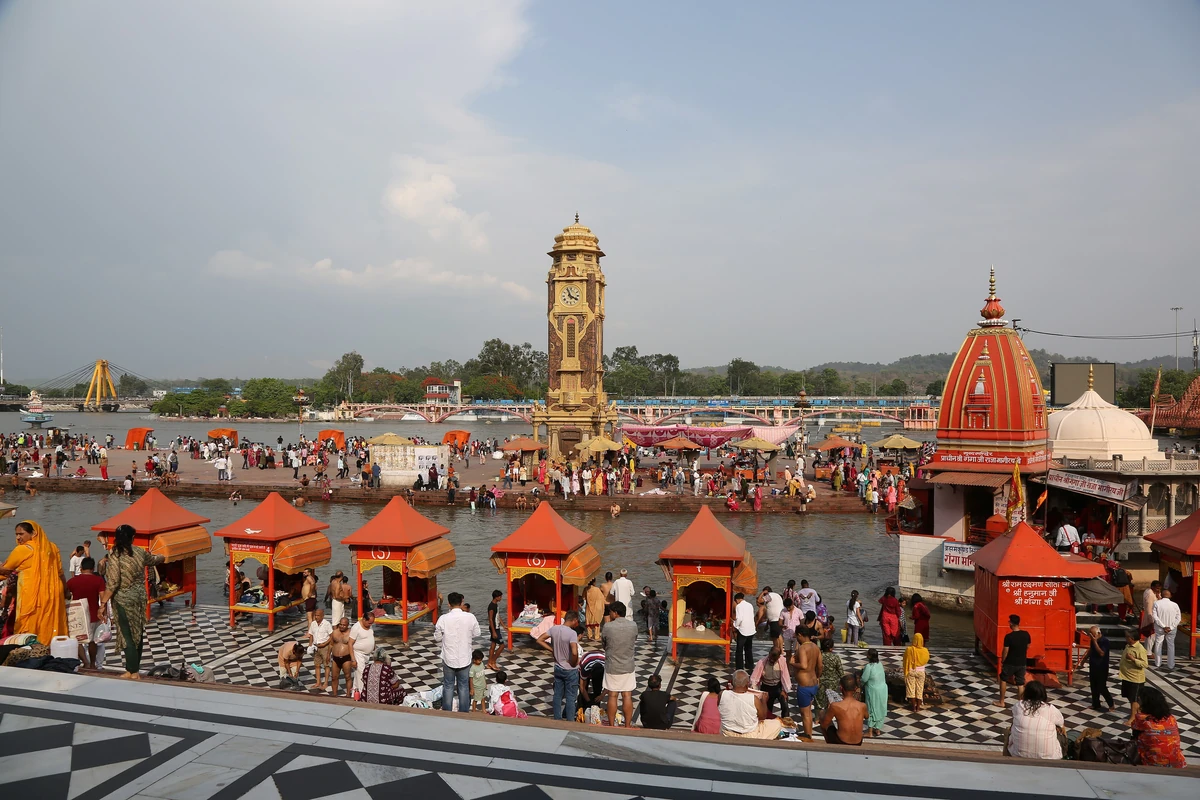
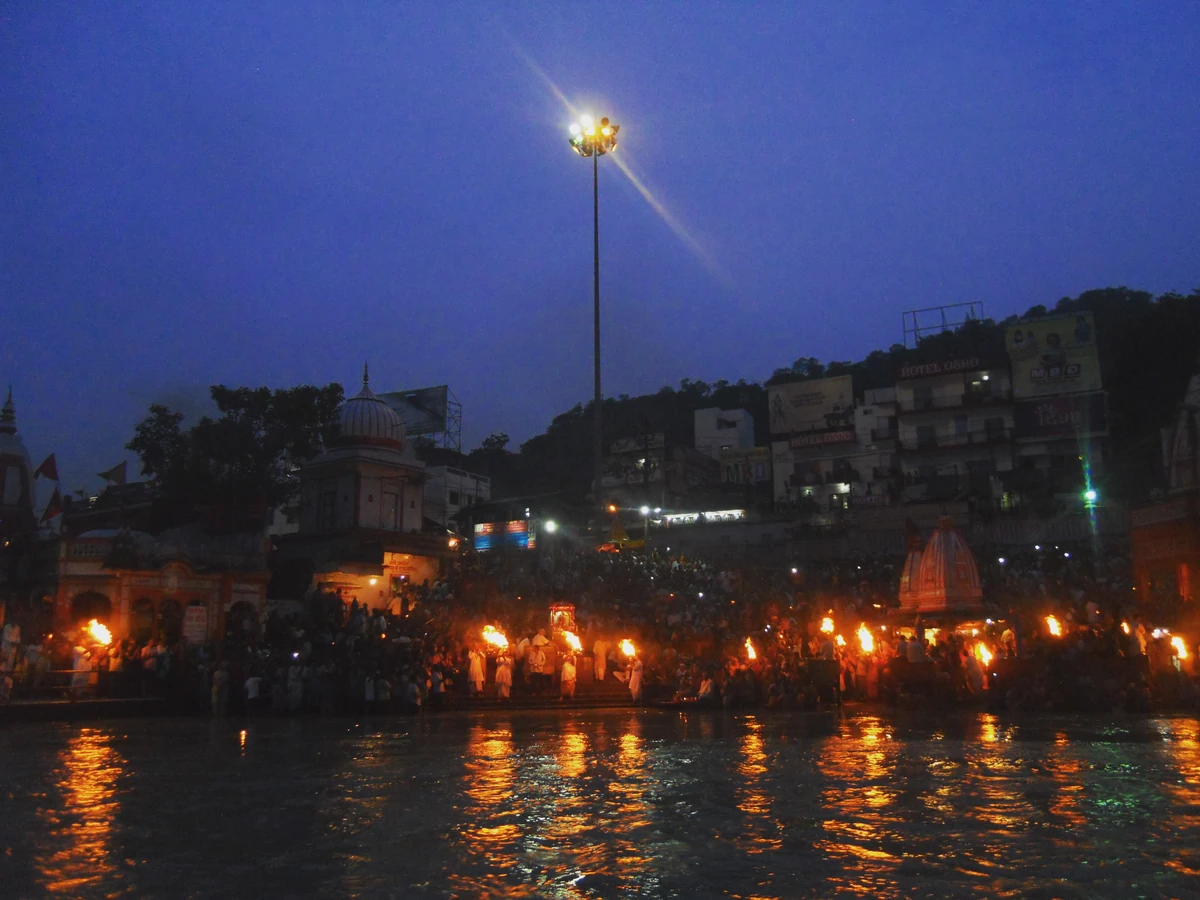
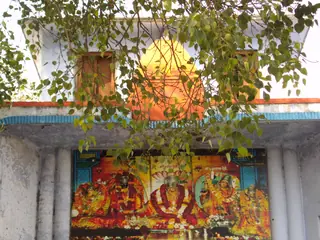
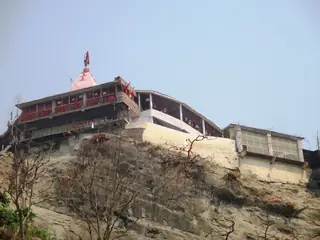
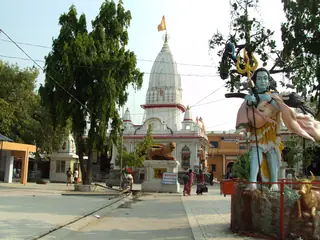

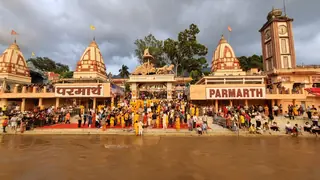
The most sacred ghat of Haridwar, on the west bank of the Ganga canal where the river leaves the hills. Wikipedia says the name means the feet of Vishnu, or Hari, and that the Brahmakund, where the evening aarti is held, is the spot where drops of nectar are believed to have fallen.
Wikipedia says the priests perform it each evening at sunset, and that the time shifts on special occasions such as eclipses. Lamps are set on the water to drift downstream. We have no verified timetable or crowd figures, so check locally for the time on the day.
Wikipedia says the waters of the Ganga canal are partly dried around the night of Dussehra to clean the riverbed and repair the ghats, and restored around Diwali. The aarti still continues. The dates move with the lunar calendar, so check them if you plan a visit in October or November.