





HimLocal
Sign in
HimLocal
Article

Best time to visit Srinagar — tulips, lotus, autumn colour, and Kashmir in winter

When to visit Srinagar: spring tulips, summer lotus on Dal Lake, dry autumn, and the cold of Chillai Kalan in winter, with IMD monthly figures for 1991–2020.

Checked on

Srinagar has four clear seasons. Wikipedia gives its Köppen type as humid subtropical, with moderately hot summers and cool winters, and notes that year-round rain comes from western disturbances because the monsoon is weak in the valley. The weather box in Wikipedia's Srinagar article carries the India Meteorological Department's normals for 1991–2020:

  • January: mean high 7.1 °C, mean low -1.9 °C, 63.6 mm.
  • February: mean high 10.5 °C, mean low 0.7 °C, 85.0 mm.
  • March: mean high 15.5 °C, mean low 4.3 °C, 104.6 mm.
  • April: mean high 20.6 °C, mean low 7.9 °C, 91.8 mm.
  • May: mean high 24.7 °C, mean low 11.2 °C, 63.5 mm.
  • June: mean high 28.5 °C, mean low 15.0 °C, 46.4 mm.
  • July: mean high 30.0 °C, mean low 18.4 °C, 64.0 mm.
  • August: mean high 29.7 °C, mean low 17.8 °C, 64.5 mm.
  • September: mean high 27.6 °C, mean low 13.1 °C, 37.4 mm.
  • October: mean high 23.0 °C, mean low 6.2 °C, 21.8 mm.
  • November: mean high 15.9 °C, mean low 1.2 °C, 27.7 mm.
  • December: mean high 9.9 °C, mean low -1.6 °C, 27.2 mm.

Spring

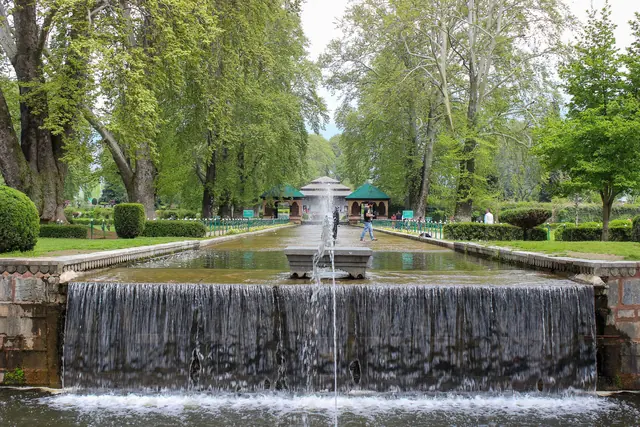
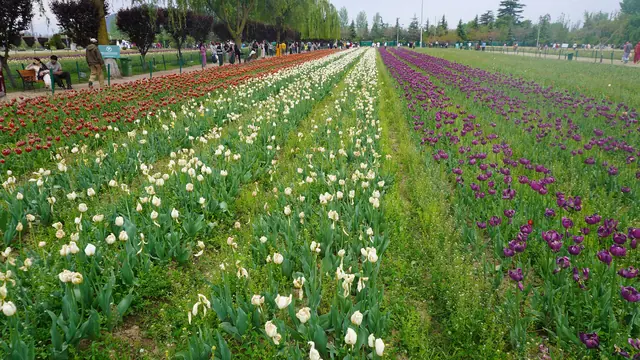
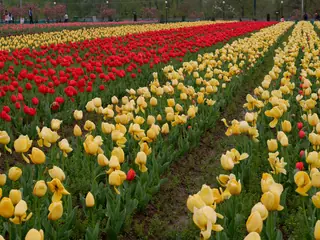
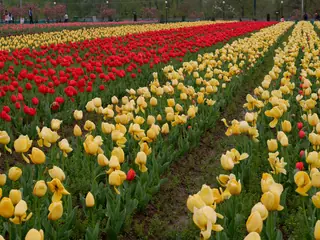
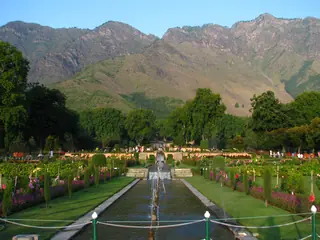
The tulip season. The Indira Gandhi Memorial Tulip Garden opens for its festival, and the Mughal gardens come into flower. Spring is the wettest season, so carry a rain layer. The spring day plan is built for it.

Summer

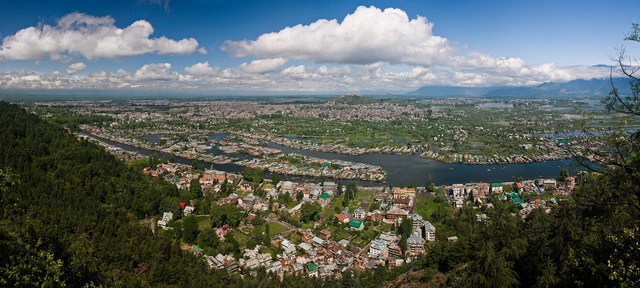
Warm to hot, with a July daytime average of about 30 °C, moderated by the height. The floating gardens on Dal Lake blossom with lotus in July and August.

Autumn

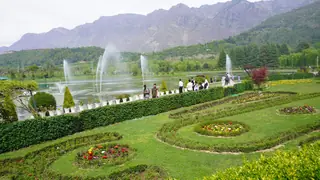
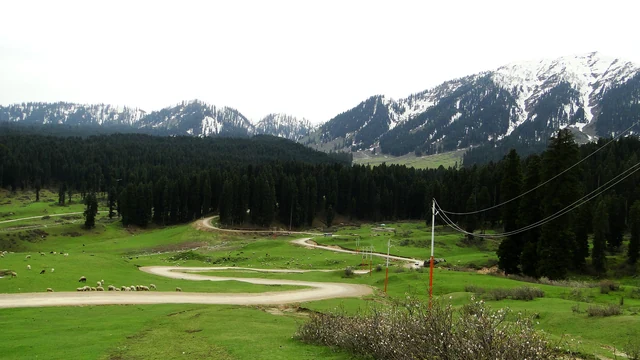
The driest season, with clear days. It is a good time for the Mughal gardens and the lake, and for a day trip into the hills.

Winter: Kashmir in the cold

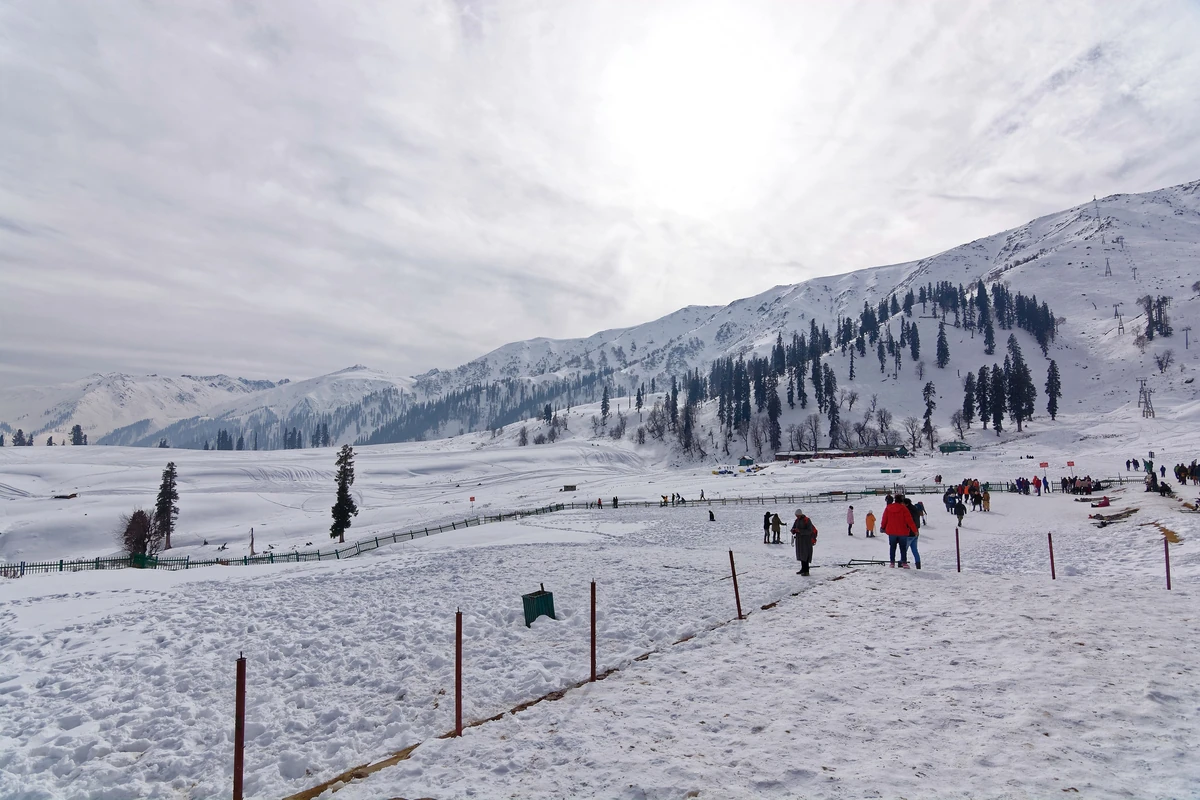
Cold, with moderate to heavy snow. January days average 7.1 °C and nights -1.9 °C. The coldest stretch has its own name: Chillai Kalan, the forty days from 21 December to 29 January, followed by the shorter Chill-i-Khurd and Chill-i-Bachha to the end of February. Snow is frequent then and parts of Dal Lake can freeze. For snow sports, see Gulmarg in winter. The highway to the rest of India often closes in snow, landslides and avalanches, so travel with spare days.

Plans for the season

The one-day plan works in any season when the road is open. Read how to reach Srinagar and things to do in Srinagar.

Going to Srinagar?

Run a café, a stay or a trek company near Srinagar? List it on HimLocal →

Places around Srinagar

The Srinagar guide →
All stories →

Nearby destinations

All destinations →

Today on HimLocal

Been here?Help the next traveller — our team checks every contribution.

Questions people ask

What is the best time to visit Srinagar?

Spring for the tulips and gardens, though Wikipedia says it is the wettest season, summer for warm days and the lotus on Dal Lake in July and August, and autumn, the driest season, for clear days. Winter brings moderate to heavy snow, cold nights and sometimes a frozen lake, and the highway can be blocked.

How hot and cold does Srinagar get?

Wikipedia gives a July daytime average of about 30 °C and a January average maximum of about 7 °C, with nights below freezing in winter. The recorded extremes are 38.3 °C in July 1946 and 20.0 °C below zero in February 1895. Annual rainfall is around 697.5 mm, spread across the year, with spring the wettest.

What is Chillai Kalan in Kashmir?

The forty days of the hardest cold, from 21 December to 29 January, by Wikipedia's account, followed by two shorter cold spells to the end of February. Nights stay below freezing, snow is frequent, and parts of Dal Lake can freeze. By IMD normals, January nights in Srinagar average -1.9 °C.

When do the tulips bloom?

In spring, when the Indira Gandhi Memorial Tulip Garden opens for its annual festival. Wikipedia records 365,000 visitors in March and April of 2023. The dates depend on the weather each year, so check the opening announcement and go early on a weekday, since the garden is crowded in the festival weeks.