
Hari Parbat Fort — the hill fort above Srinagar's old city
What it is
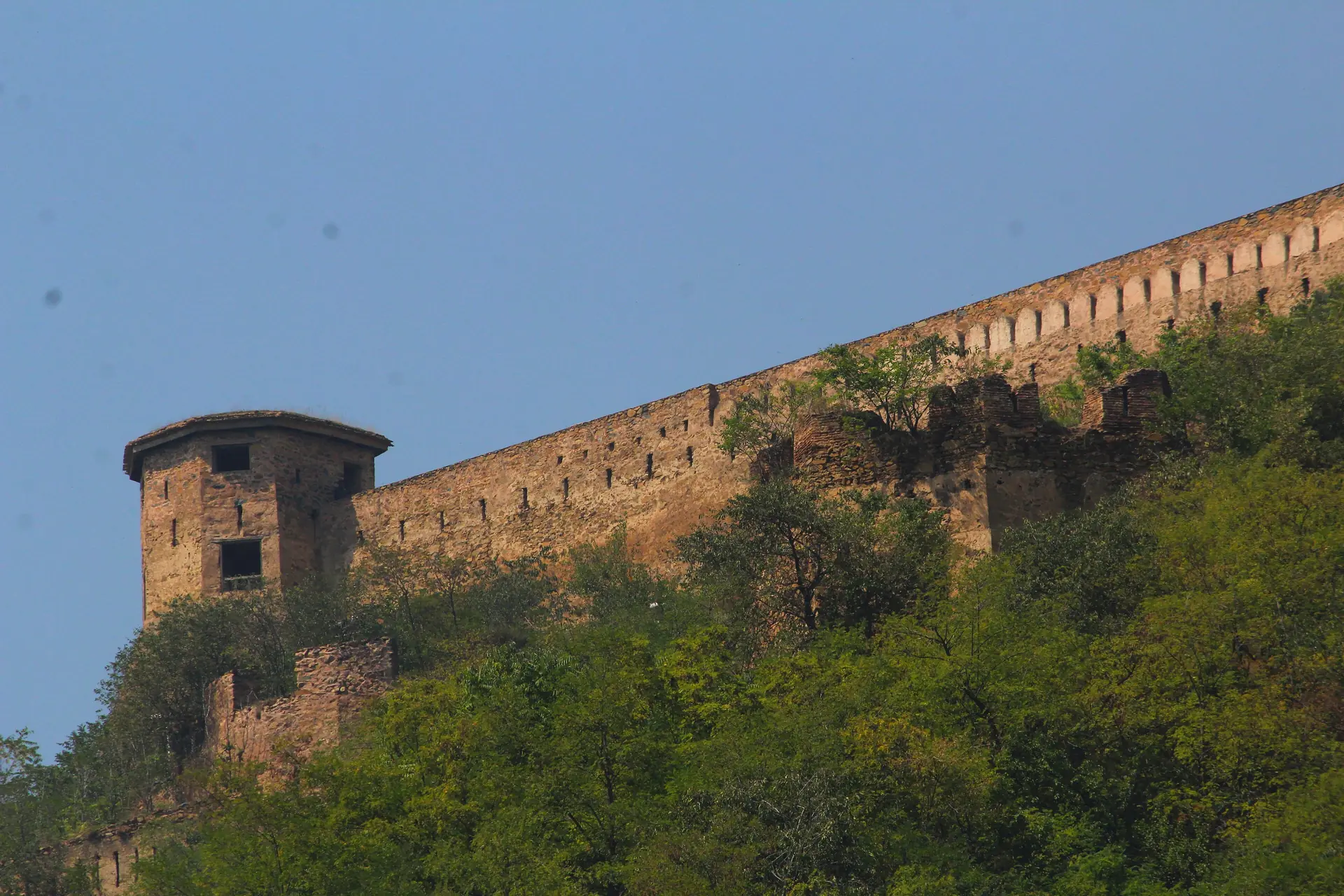
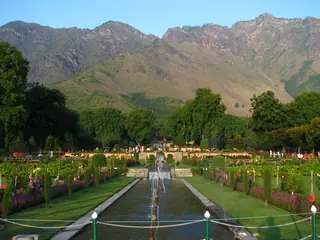
Hari Parbat, also called Koh-i-Maran, is the hill that overlooks the old city of Srinagar. It carries a fort, a Hindu temple, mosques and a gurdwara, and it is one of the landmarks that give the city its skyline.
Photos: Tauqeer Zahid (CC BY-SA 3.0) — via Wikimedia Commons, resized.
The fort
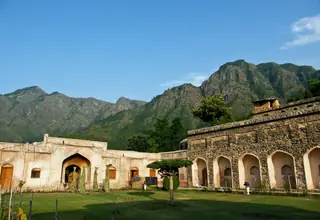
The first fortifications here were an outer wall begun by Akbar in 1590 as part of a plan for a new capital, a project that was never finished. The fort you see today went up in 1808 under Atta Mohammed Khan, the Durrani Empire's governor of Kashmir. Wikipedia says it can be entered through the Kathi Darwaza gate on the Rainawari side or the Sangin Darwaza gate on the Hawal side, that it was closed for nearly two decades and was opened to the public in 2007.
The shrines on the hill
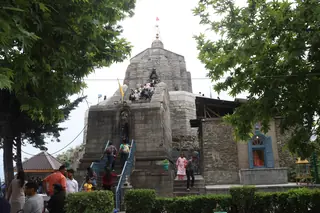
Kashmiri Pandits hold the hill sacred. By tradition the goddess Parvati became a bird and let fall a pebble that swelled into the hill and crushed the demon Jalodbhava; she is worshipped as Sharika on the western slope. The southern side holds the shrine of the 16th-century Sufi saint Hamza Makhdoom, and there is a gurdwara linked to Guru Nanak.
Getting there
About 8 minutes and 4.3 km by road from the centre on our routing. We have no verified opening hours; ask locally on the day.
Combine it with
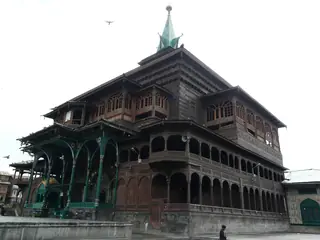
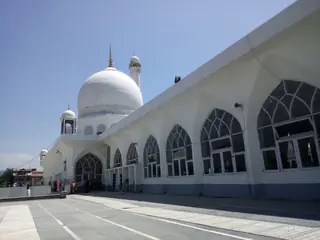
The Khanqah-e-Moula and the Jama Masjid are in the old city below. The two-day plan joins them; read things to do in Srinagar.
Plans that include this
All 1 plans that stop here →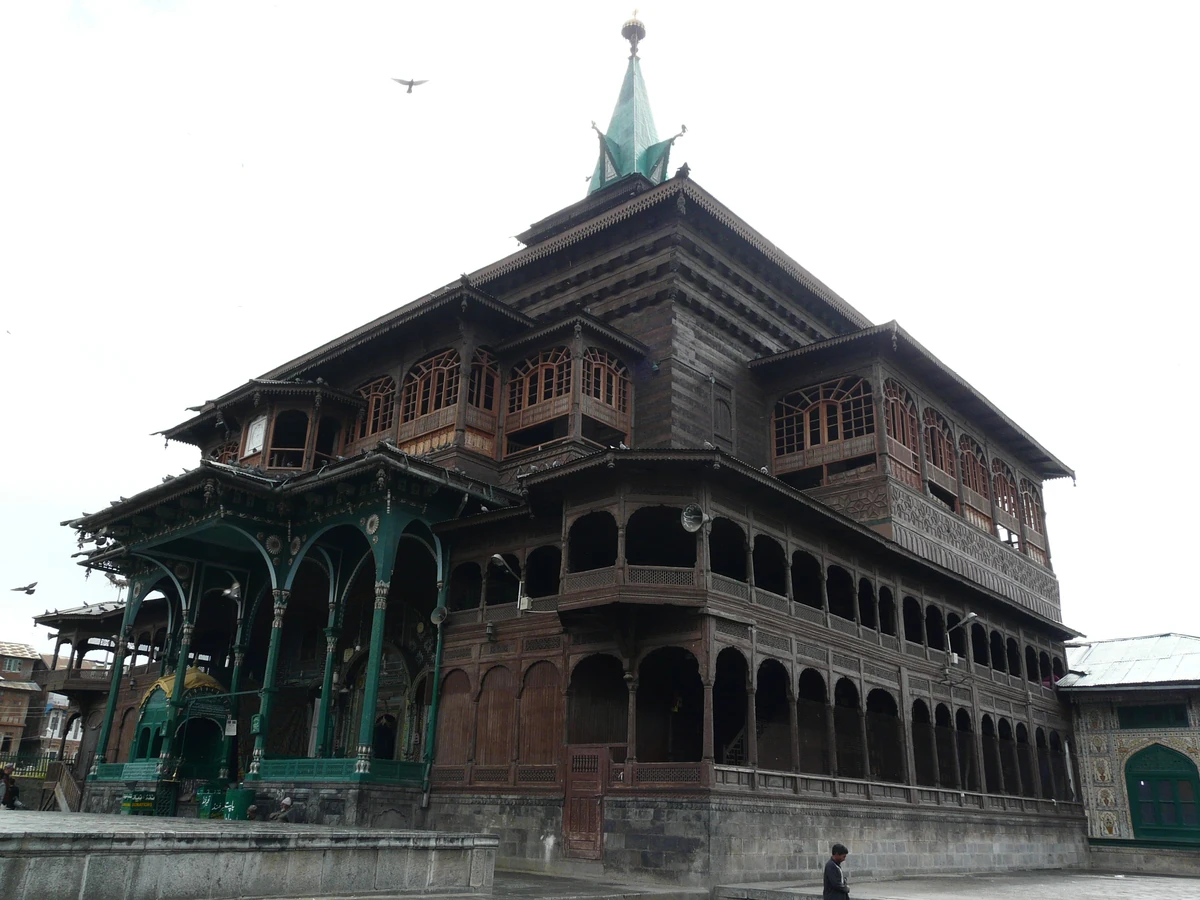
Nearby places
All of Srinagar →


Nearby destinations
All destinations →
Questions people ask
What is Hari Parbat?
A hill above Srinagar, also called Koh-i-Maran, that carries a fort, a Hindu temple, mosques and a gurdwara. Wikipedia says Akbar built the first outer wall in 1590 as part of a plan for a new capital, and that the standing fort dates from 1808, built for a Durrani governor.
Can you visit the fort?
Wikipedia says the fort was closed for almost two decades and opened to the public in 2007, and that it can be reached through the Kathi Darwaza gate from Rainawari or the Sangin Darwaza gate from Hawal. Access rules change, so ask locally about the day's entry and timings.
Why is the hill sacred?
Kashmiri Pandits revere it as the pebble that the goddess Parvati, as a bird, dropped on the demon Jalodbhava, and worship her there as Sharika. Muslims visit the shrine of Hamza Makhdoom on the south side, and Sikhs a gurdwara linked to Guru Nanak.