
Valley of Flowers National Park — from Govindghat and Ghangaria
Checked on
What it is
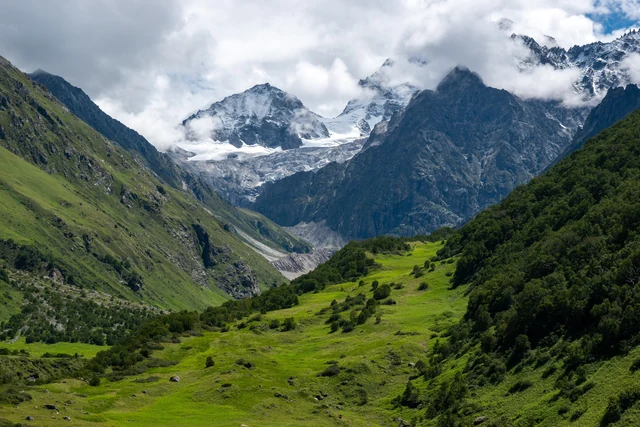
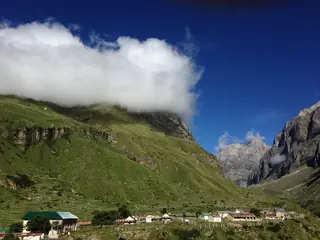
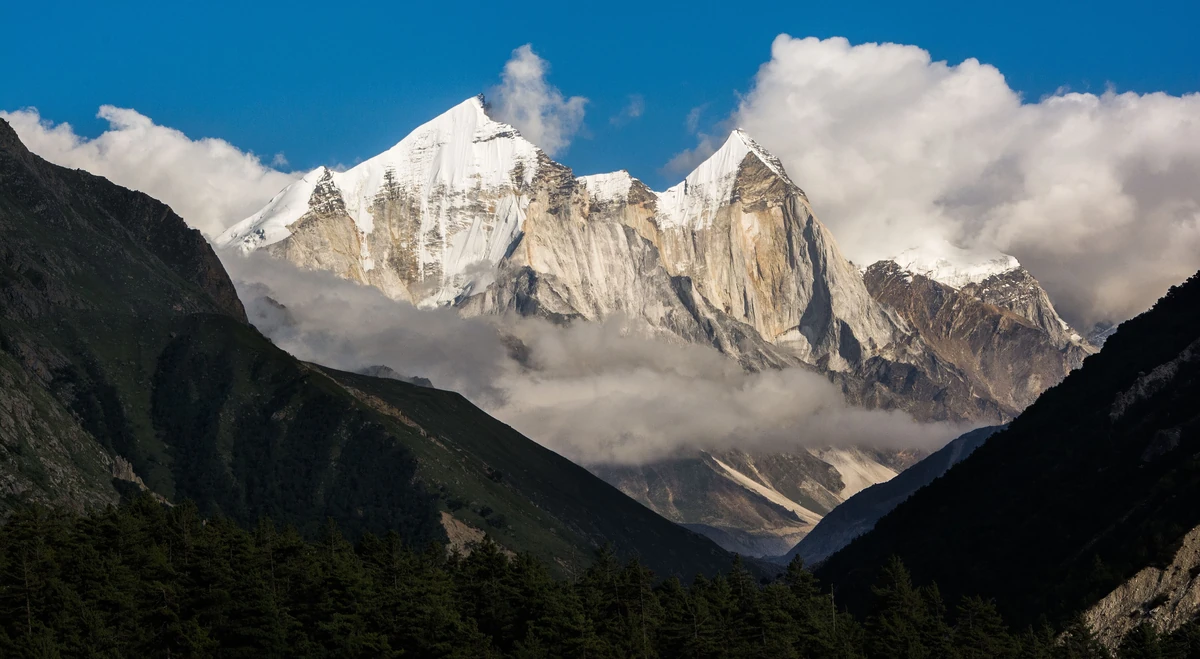
The Valley of Flowers is a national park set up in 1982 in Chamoli district, a high valley some 8 km long by 2 km across, covering 87.50 km², between about 3,352 and 3,658 m. It is known for its meadows of alpine flowers and for rare animals, among them snow leopard, musk deer, blue sheep and the Asiatic black bear, with the Himalayan monal among its birds. With Nanda Devi National Park to the east it forms the Nanda Devi Biosphere Reserve. It got its English name in 1931, from three British mountaineers, Frank Smythe, Eric Shipton and R. L. Holdsworth. The valley itself was known long before that.
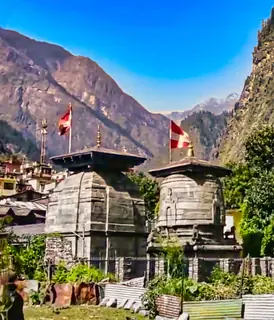
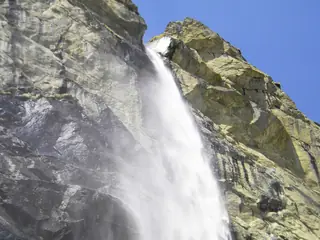
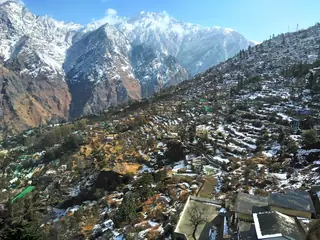
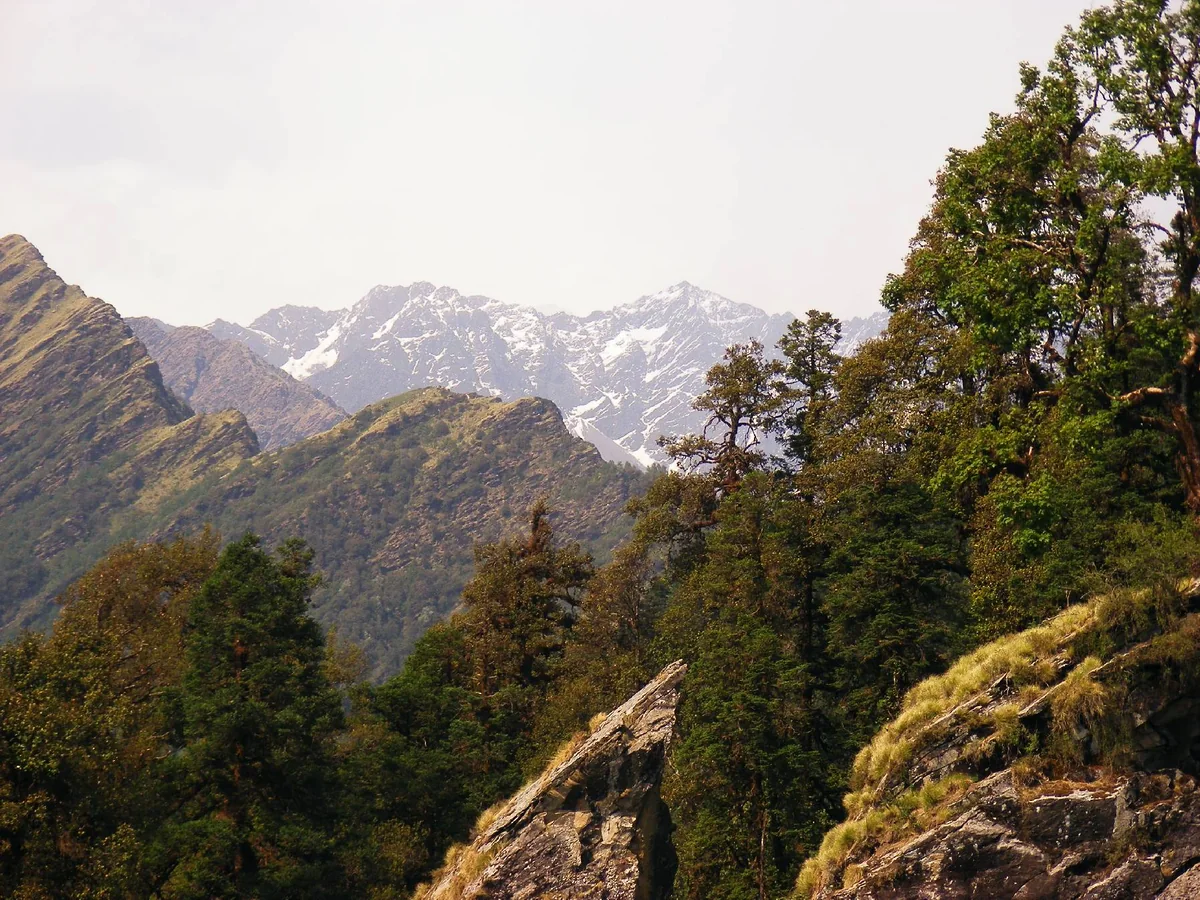
Photos: Rohit Sharma (CC BY-SA 4.0) · Rohit Sharma (CC BY-SA 4.0) · Rohit Sharma (CC BY-SA 4.0) — via Wikimedia Commons, resized.
Named in 1931, known long before
Watch our reel
The famous version goes like this. Coming back from their climb of Kamet in 1931, the story goes, the three lost their way, came down into a valley in full flower and called it the Valley of Flowers. Smythe later wrote a book with that title, published in 1938, and the name stuck.
The name is theirs; the valley was not a discovery. The botanist Chandra Prakash Kala, who studied its plants from 1993, notes reports of plants collected here in 1846–49 by R. Strachey and J. E. Winterbottom, some eighty years before the climbers arrived. Local people had been coming to the valley since ancient times, and yogis came here to meditate. Shepherds grazed their animals on these meadows until grazing was banned in 1983. The valley became a national park in 1982, and UNESCO listed it as a World Heritage Site from 14 July 2005.
Getting there
From Joshimath, drive about 34 minutes to Govindghat, where the road ends for this valley. Wikipedia describes a shared taxi for the first 4 km, then a walk of about 9 to 11 km (the two articles differ) to Ghangaria. That small settlement, at about 3,049 m, is the base, and the valley is about 3 km beyond it. Porters, mules and a helicopter to Ghangaria are also mentioned. Uttarakhand Tourism's own page gives the walk from Govindghat to Ghangaria as 13 km and puts Ghangaria at 3,050 m; it calls the valley route moderate to challenging and says ponies and porters are available. With the distances differing, ask at Govindghat. We have no published walking times we can cite, so we print none: plan at least one night at Ghangaria. The nearest railway station is Rishikesh, 273 km before Govindghat on the highway, by Uttarakhand Tourism's figure.
The permit and the rules
Visitors must get a three-day permit from the Forest Department office in Ghangaria, by Wikipedia's account. Only day visits and walking are allowed inside; no one may stay overnight in the park, so accommodation is at Ghangaria. Uttarakhand Tourism adds that camping is not allowed in the valley and that you must be back at Ghangaria by 5 pm. We have no verified fee. Grazing has been banned since 1983, and there is no settlement inside the park.
When to go
Only from June to October; for the other months heavy snow covers it. Heavy monsoon rain falls from late June to early September, and the mist and cloud of those weeks are what keep the flowers so thick.
Around it
The same path from Govindghat leads to Hemkund Sahib, about 6 km above Ghangaria. In Joshimath itself, see the Narsingh Temple and Auli, and read how to reach Joshimath.
Going to Joshimath?
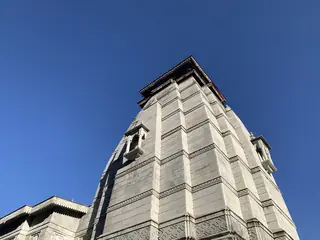 One day in Joshimath — the Narsingh temple, Jyotirmath and AuliDay plan, ready to copy and change
- Stays in JoshimathCompare live prices
- See it on the map
- Send this on WhatsApp
Reels from these places: follow @himlocal.in on Instagram
Run a café, a stay or a trek company near Valley of Flowers National Park? List it on HimLocal →
Plans that include this
All Joshimath itineraries →

Nearby places
All of Joshimath →
Nearby destinations
All destinations →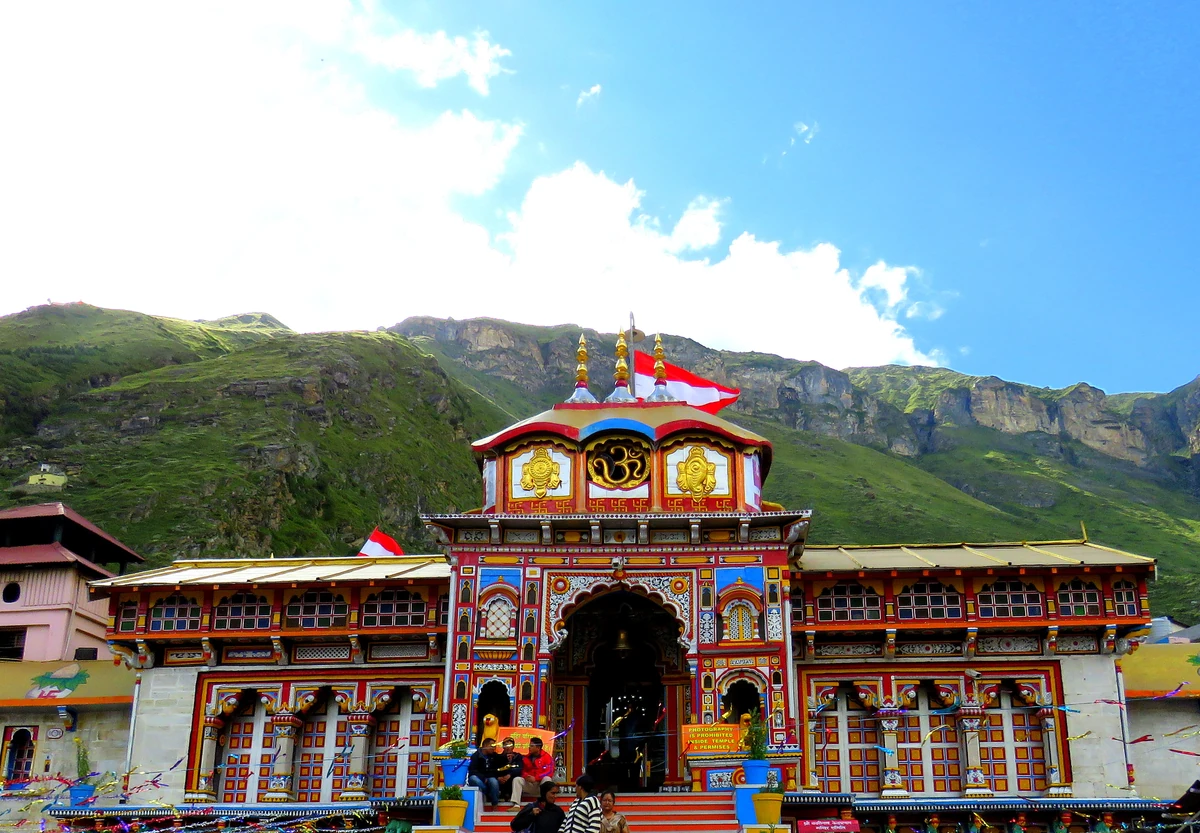
Questions people ask
How do you reach the Valley of Flowers?
Drive to Govindghat, about 34 minutes from Joshimath on our routing. Wikipedia describes a shared taxi for about 4 km and then a walk of about 9 to 11 km to Ghangaria, the base, and about 3 km more to the valley. We have no published walking times to cite, so ask at Govindghat.
Do you need a permit for the Valley of Flowers?
Yes. Wikipedia says visitors must get a three-day permit from the Forest Department office in Ghangaria. Only day visits and walking are allowed; no one may stay overnight inside the park, so you sleep at Ghangaria. We have no verified fee, so check when you get the permit.
When is the Valley of Flowers open?
Only in summer, from June to October; for the other months it lies under heavy snow. Wikipedia notes heavy monsoon rain from late June to early September, with mist and low cloud that keep the meadows green. Ghangaria too is open only from June to October.