
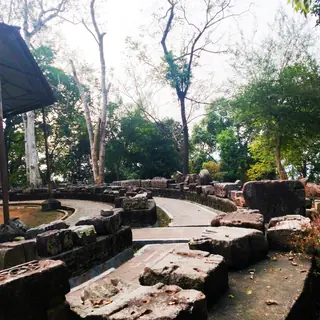
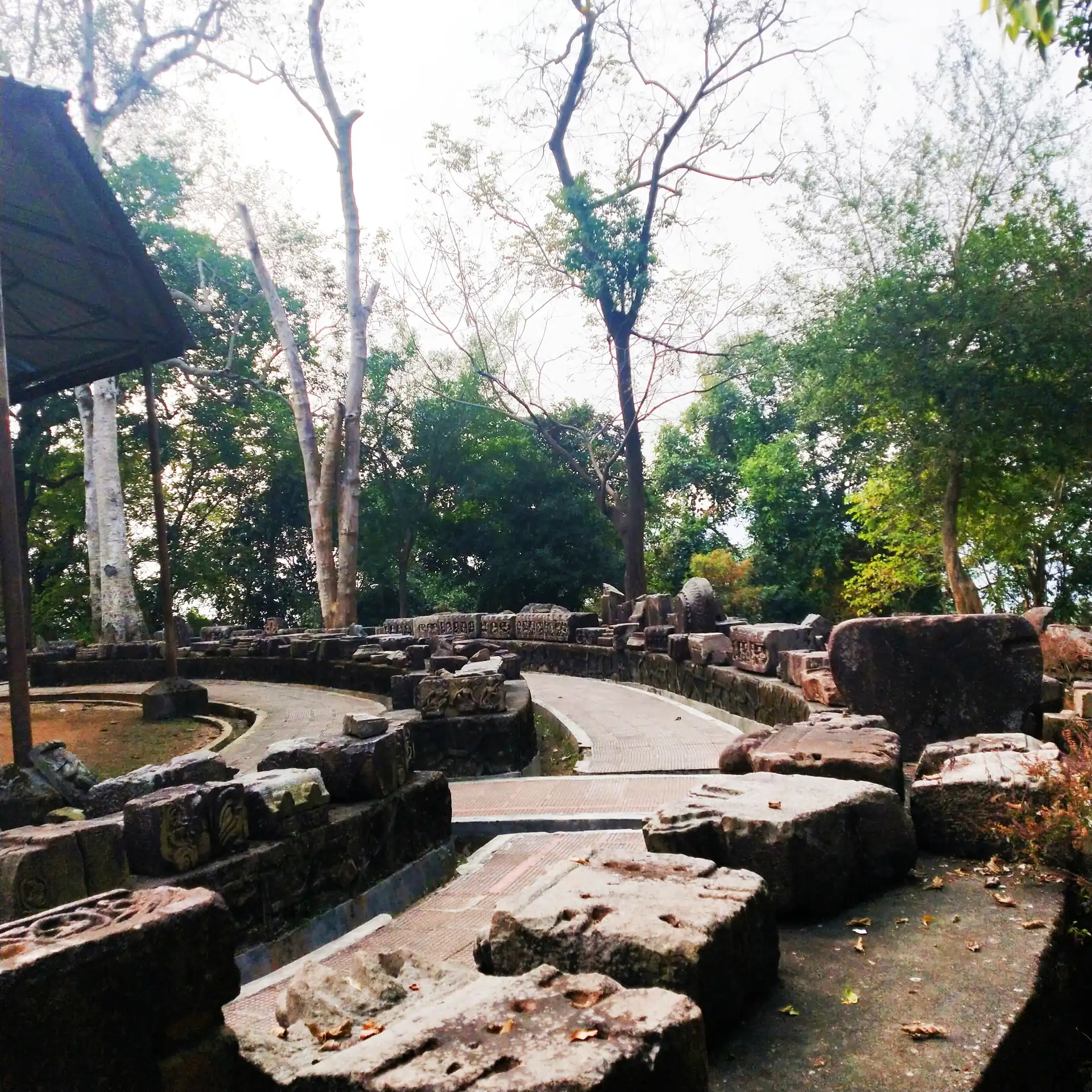
Deopahar — the Hills of the Gods and its ruined stone temple at Numaligarh
What it is
Deopahar, the Hills of the Gods, is a protected archaeological park with a site museum at Numaligarh in Golaghat district. Wikipedia ranks it high among the ancient heritage sites of the district. The stone temple and sculptures uncovered on top of the hill blend Brahmanical art with local art, and the building looks unfinished or damaged, possibly by the 1897 earthquake.
Photos: Baby Devi 26 (CC BY-SA 4.0) — via Wikimedia Commons, resized.
The forest
The site lies in the Deopani Reserve Forest, an elephant corridor beside the Asean Highway 1. Wikipedia says a heritage-status False Hemp tree there draws migratory wild giant bees, which build large hives on it every year from October to January.
Getting there
About 38 km and 31 minutes from Kohora on our routing, about 61.8 km from the national park by Wikipedia's figure, and about 5 km from Numaligarh town.
Combine it with
The two days with the Western Range and Deopahar puts the ruins on the second day. Read how to reach Kaziranga, things to do in Kaziranga and the park guide.
Plans that include this
All 1 plans that stop here →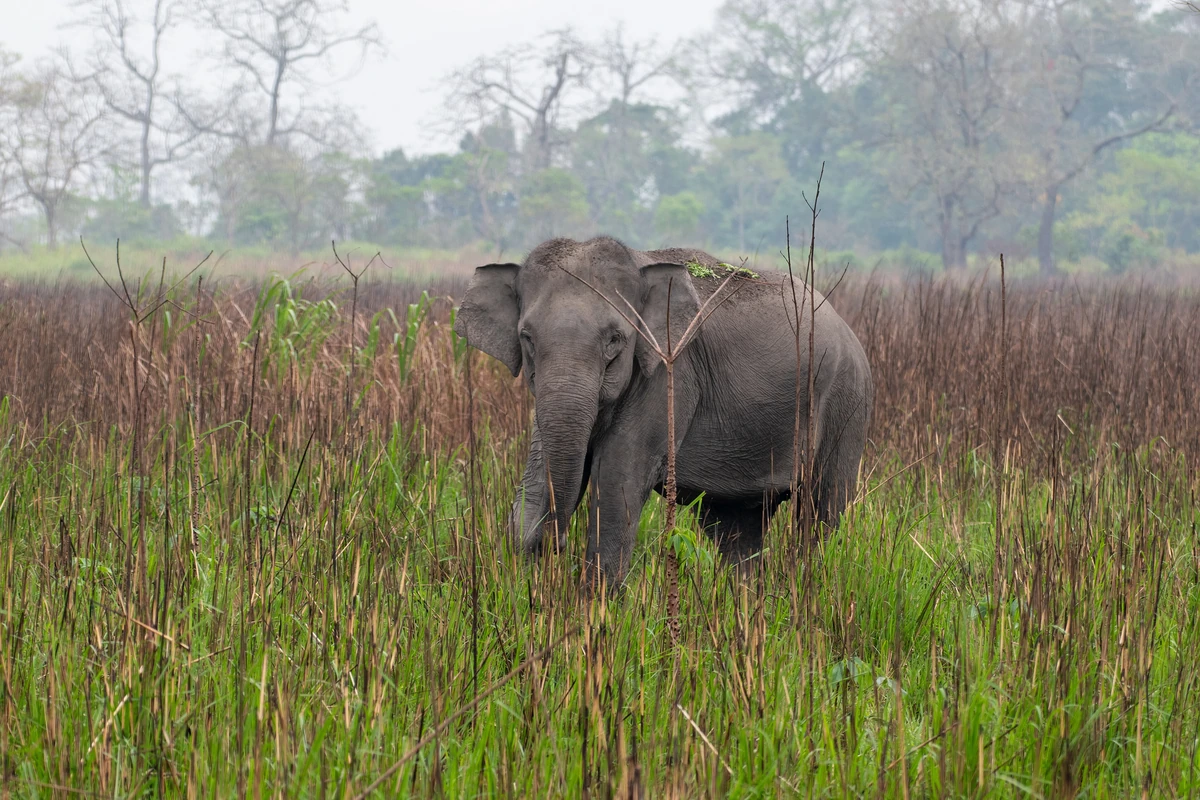
Nearby places
All of Kaziranga →
Nearby destinations
All destinations →
Questions people ask
What is Deopahar?
An archaeological park with a site museum at Numaligarh in Golaghat district, Assam, run by the state Directorate of Archaeology. The name means the Hills of the Gods. Wikipedia says it holds the remains of an ancient stone temple and sculptures that blend Brahmanical and local art. The temple appears unfinished or damaged, possibly by the 1897 earthquake.
How far is Deopahar from Kaziranga?
Wikipedia says about 61.8 km from Kaziranga National Park and 255 km from Guwahati, about 5 km from the Numaligarh Refinery. On our routing it is about 38 km and 31 minutes from Kohora. It stands beside the Asean Highway 1 in the Deopani Reserve Forest, an elephant corridor.
What else is in the forest?
Wikipedia says the Deopani Reserve Forest is an elephant corridor, and that a False Hemp tree there, the Bheleu, which has heritage status, draws migratory giant wild bees, which build large hives on it every year from October to January. We have no verified opening hours or entry rules, so ask locally.