
The best time to visit Tawang — clear autumns, spring, the wet monsoon and Sela's winter snow
Tawang sits at about 2,669 m, at the end of a long road over Sela Pass. The season decides how easy that road is. No reliable monthly weather table is published for Tawang, so this guide follows Wikipedia's and Wikivoyage's descriptions.
Photos: Yatrika (CC BY-SA 4.0) — via Wikimedia Commons, resized.
October and November
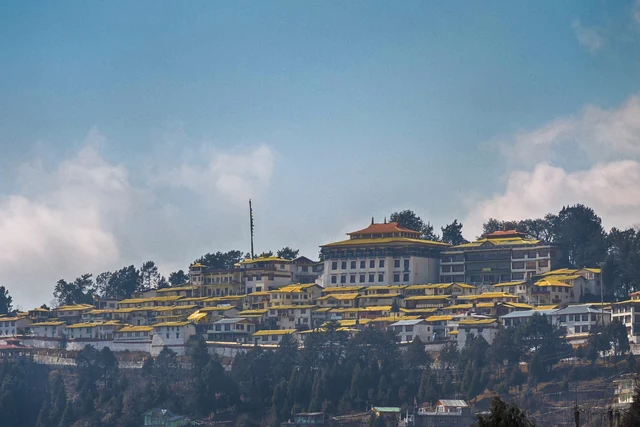
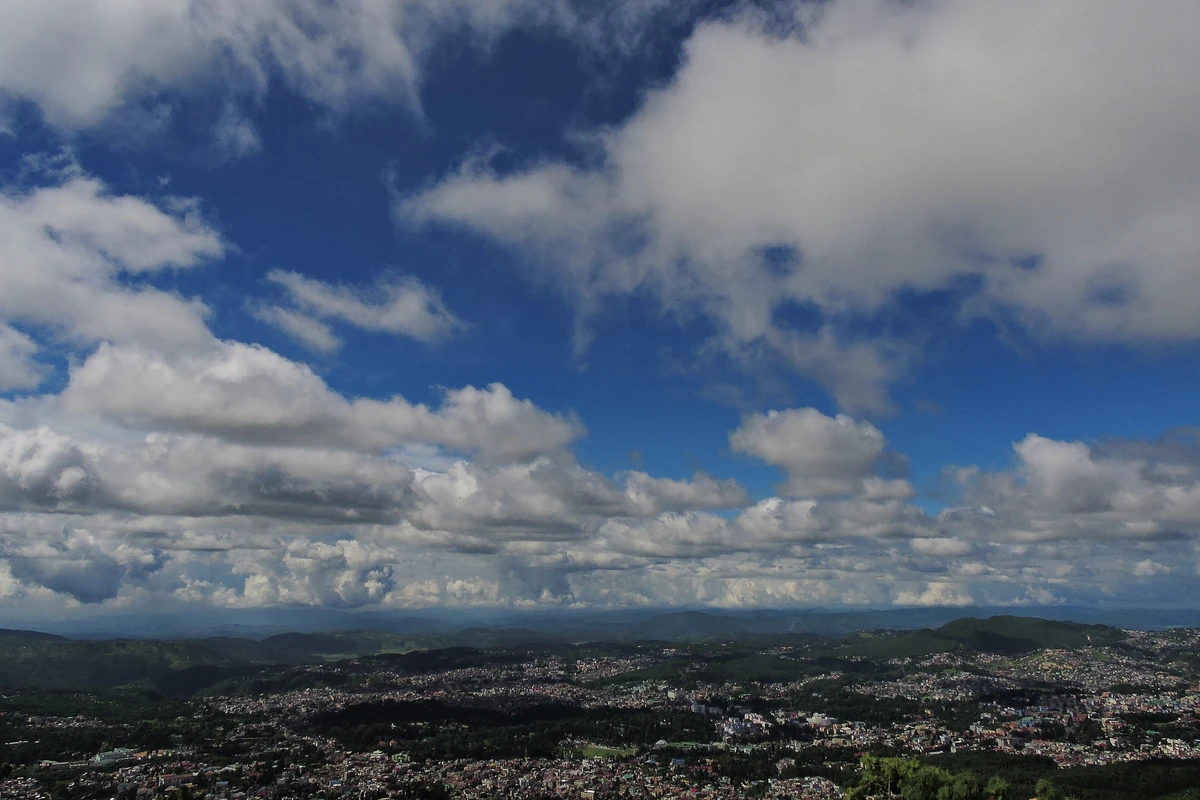
The clearest weeks. The rains are over, the road is at its most dependable, and the monastery and the snow peaks stand out against blue skies.
March to May
Spring, with milder days in the town. Snow can still lie at Sela, so check the pass before you set out.
June to September
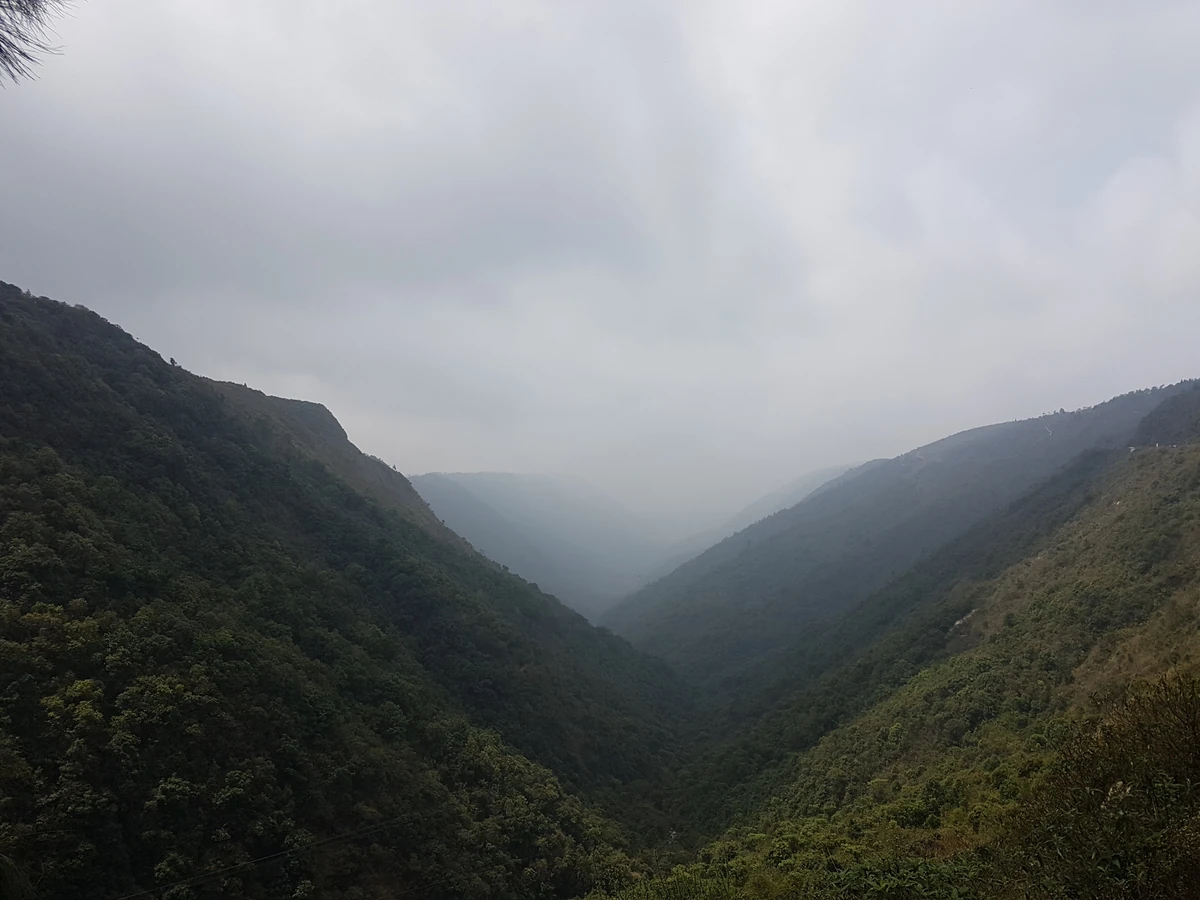
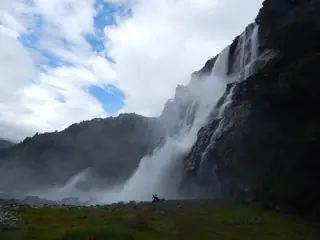
The monsoon. Wikipedia gives Tawang about 3,080 mm of rain a year, and most of it falls in these months; landslides cut mountain roads and views vanish in cloud.
December to February
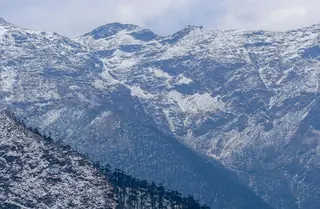
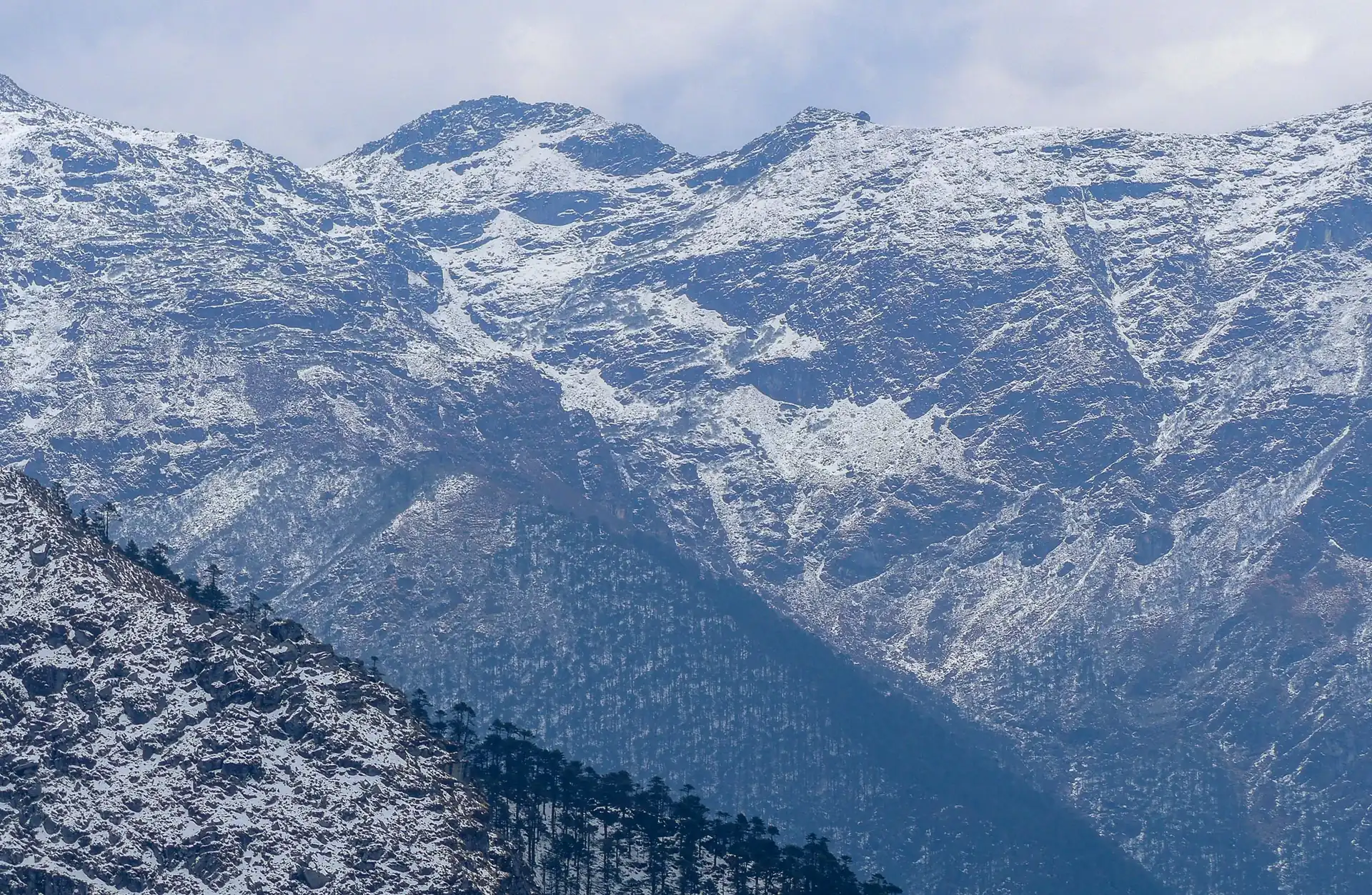
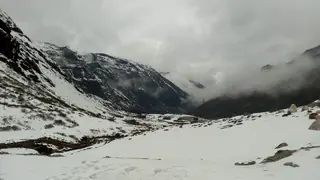
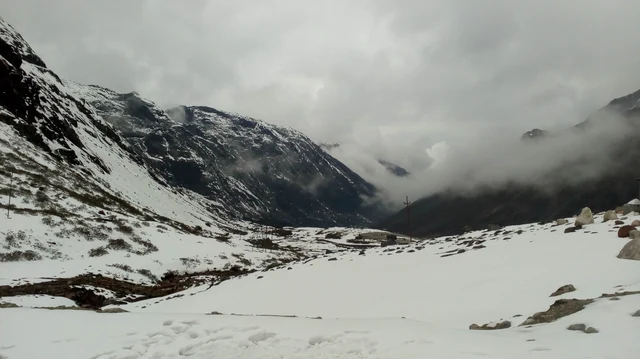
Winter. Sela gets heavy snow, and Wikivoyage warns it can hold travellers on either side for a while; the Sela tunnel now gives all-weather access below the pass. Town days are cold and nights colder.
Plan it
Read how to reach Tawang and the Arunachal ILP guide, and copy the two days with the Sela road.
Places around Tawang
The Tawang guide →More stories to read
All stories →


Nearby destinations
All destinations →Today on HimLocal
Questions people ask
What is the best time to visit Tawang?
October and November, when the monsoon is over and the skies are clear, and March to May. Wikipedia gives Tawang about 3,080 mm of rain a year, most of it in the monsoon months, when landslides close mountain roads. Winter is cold and snowy on Sela, though the tunnel now keeps the town reachable.
Does it snow in Tawang?
Sela Pass, on the road in, gets heavy snow in winter and is snow-covered to some extent for much of the year, by Wikipedia's account. Snow can hold travellers on either side of the pass for a time, Wikivoyage warns, so in winter keep a spare day and carry warm clothes.
Is the monsoon a good time for Tawang?
It is the hardest time. Most of Tawang's yearly rain, about 3,080 mm by Wikipedia, falls between June and September, and the long road from Assam is slow and can be cut by landslides. If you must go then, travel in daylight, check the road every morning and leave spare days.