
How to reach Ramnagar and Jim Corbett National Park
How to reach Ramnagar, the gateway to Jim Corbett National Park: measured road distances from Delhi, Haridwar and Nainital, the rail link, buses and airports.
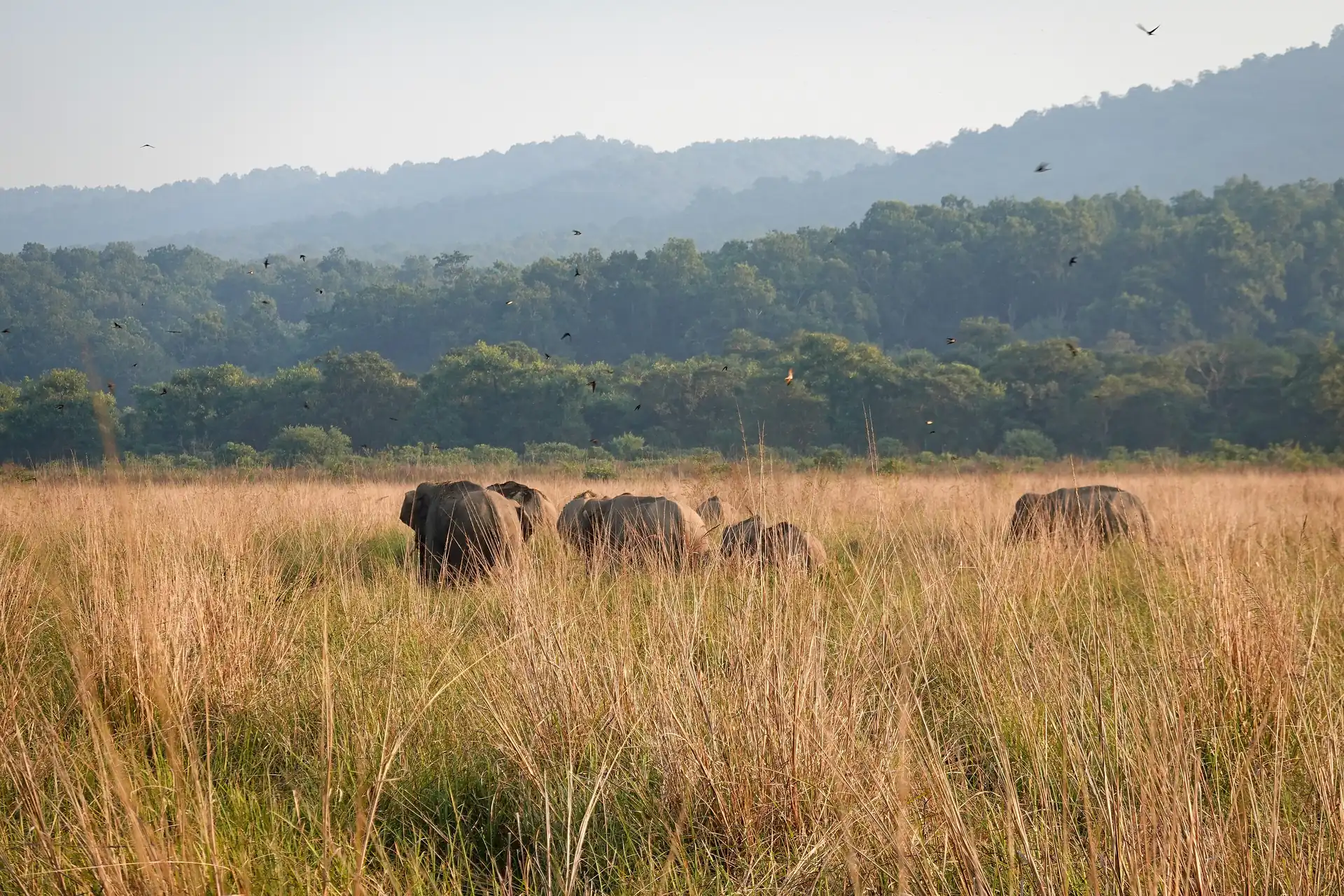
The season at Ramnagar is set by the park. Jim Corbett National Park has a main visiting season, and its core zones close for the monsoon. Wikipedia gives temperature ranges but no monthly table, so we give no monthly figures.
Winter is cool, with foggy mornings; Wikipedia says temperatures range from about 5 °C to 30 °C. Bring warm layers for early safaris. The core zones are open, and winter is also when migratory waterfowl come to the reservoir at Kalagarh.
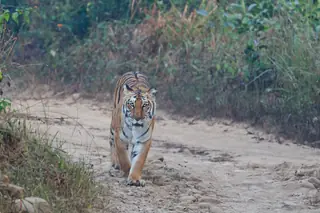
The dry, hot months. Wikipedia says summer temperatures normally stay under 40 °C, and quotes a source that the best chance of a tiger comes late in the dry season, from April to mid-June. Carry water and sun protection.
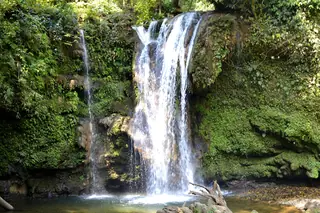
Rain falls from July to September. Wikivoyage says the Dhikala and Bijrani zones close from 16 June to 14 November, and that the Jhirna and Sitabani buffer zones stay open all year; confirm with the reserve. Slips can close hill roads, such as the one to Corbett Falls.
The rains have gone but the core zones may still be closed, so the buffer zones and the temples are the options; the reserve's notice decides.
The park-gate day suits the open months, and the Kaladhungi day works when the core zones are shut. Read how to reach Ramnagar and things to do in Ramnagar.
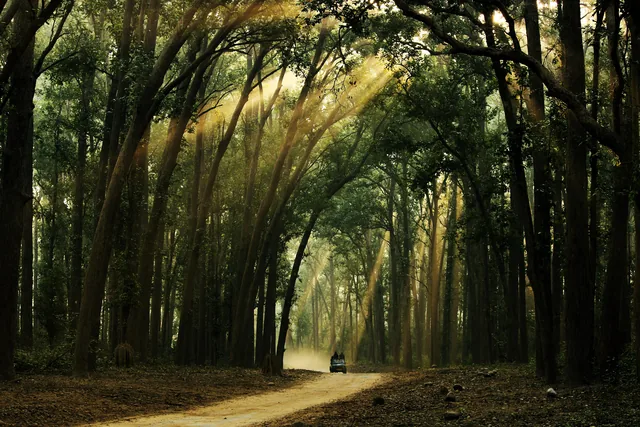
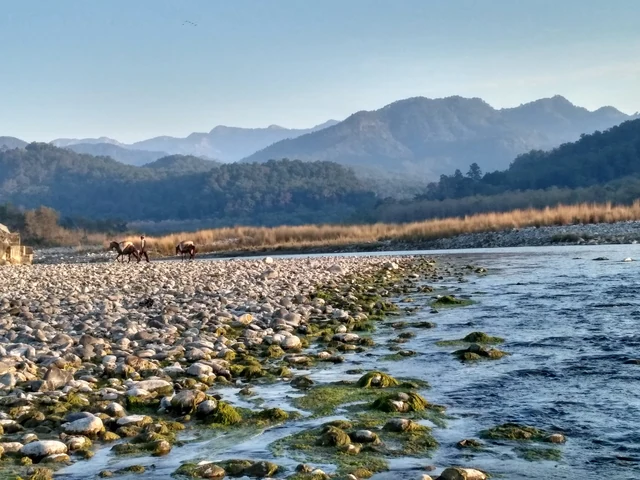
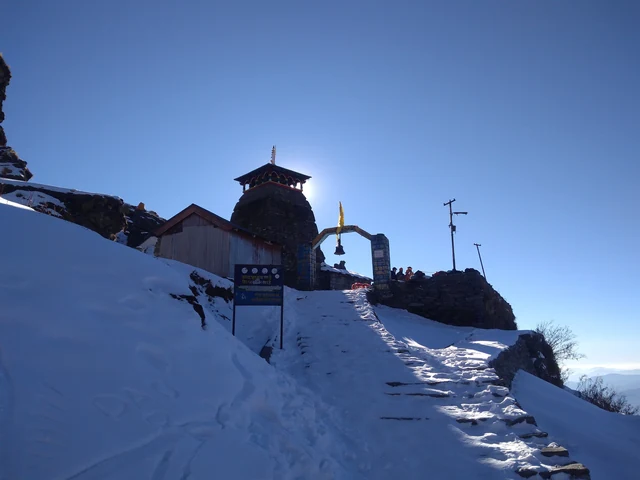
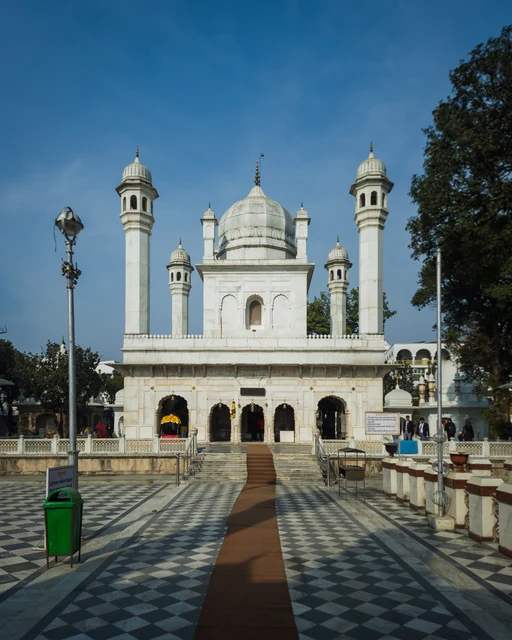
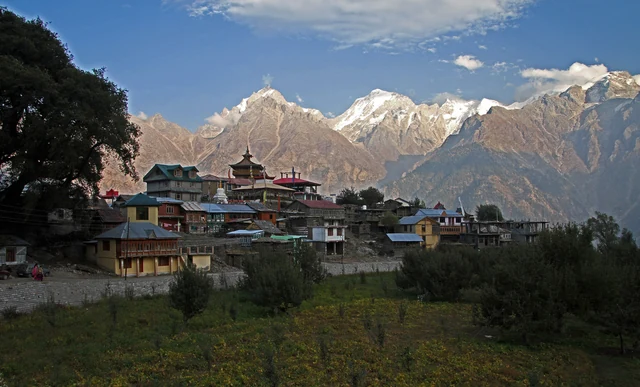
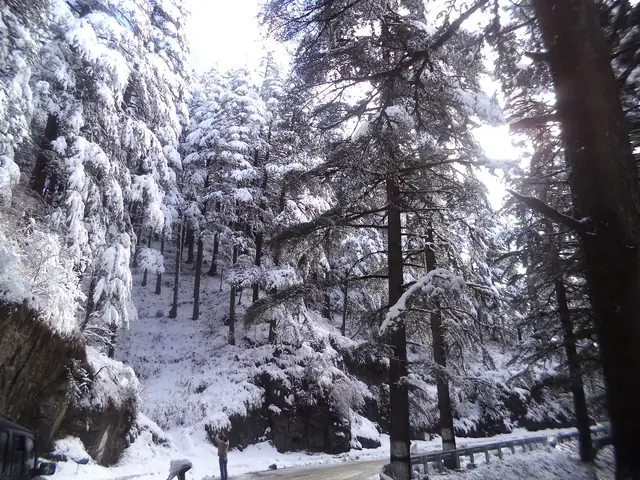
The main visiting season runs from mid-November to mid-June. Winter is cool with foggy mornings, and the dry months from April to mid-June give the best chance of a tiger, by a source Wikipedia quotes. The core zones close for the monsoon, so check the reserve's notice before you book.
Wikivoyage says the Dhikala and Bijrani zones are closed from 16 June to 14 November, and that the Jhirna and Sitabani buffer zones stay open all year. Rain falls from July to September, and slips and floods are the risk, so the reserve's own notice is the one to trust.
Wikipedia says winter temperatures range from about 5 °C to 30 °C, with foggy mornings, and that summer temperatures normally stay under 40 °C. Wikivoyage gives a higher summer peak. We have no monthly table, so carry layers for winter mornings and water in the dry months.