Things to do in Darjeeling — sunrise, the toy train, monasteries and tea
Things to do in Darjeeling: Tiger Hill at sunrise, the Darjeeling Himalayan Railway, the Batasia Loop, monasteries, Chowrasta, the zoo and a tea estate.
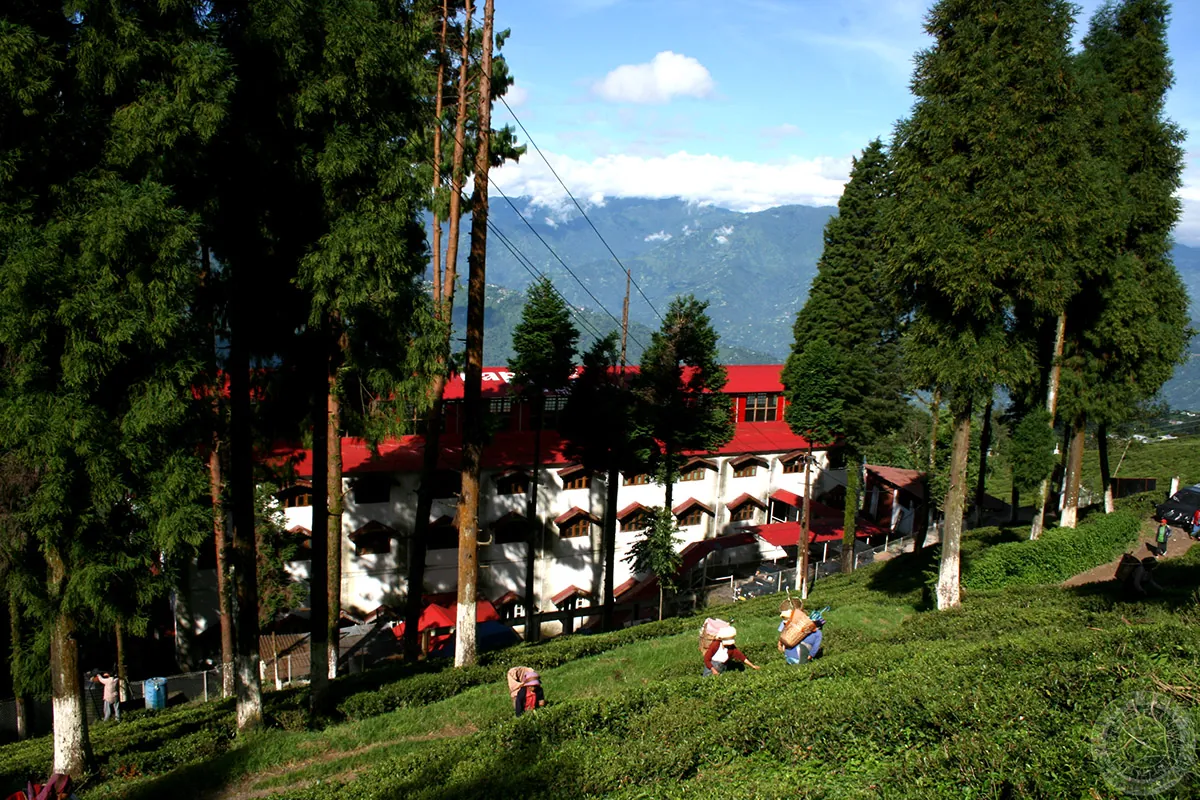
Tea made Darjeeling what it is: the town grew around the gardens, and the toy train was built partly to carry their crop. Here is the story in short, and the gardens a visitor can actually reach.
Photos: Sourabh.biswas003 (CC BY-SA 4.0) · Sourabh.biswas003 (CC BY-SA 4.0) — via Wikimedia Commons, resized.
Archibald Campbell, posted here by the East India Company to build a hill station, planted the first tea bushes in 1841, from seed of the Chinese plant. He planted again at Lebong in 1846, and in 1852 the Company laid out three experimental gardens, at Tukvar, Steinthal and Alubari. The Chinese variety did better on these cool, cloudy, well-drained slopes than the Assam plant. The first gardens run for profit followed in 1856; by 1866 there were 39, and by 1885 about 100.
The top two leaves and the bud are plucked from March to November, in four seasons that the trade calls flushes. By Wikipedia's account, the first flush after the winter rest makes a light, floral tea, and the second brings the muscatel note the tea is famous for. The monsoon flush grows fast and is plainer, often used for blending, and the autumn flush is like a quieter second flush. Most Darjeeling tea is made black, though some estates now make green, white and oolong tea too.
We have no verified visiting hours, tours or charges at any garden; ask before you go.
Darjeeling tea is a registered geographical indication: only tea from certain estates in Darjeeling and Kalimpong districts may carry the name. One Wikipedia article dates the registration to 2004, the town's article to 2005.
Copy the Kurseong and Makaibari day or the three-day plan, which includes Happy Valley, and read things to do in Darjeeling.


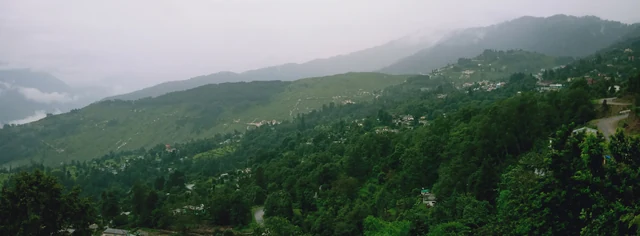
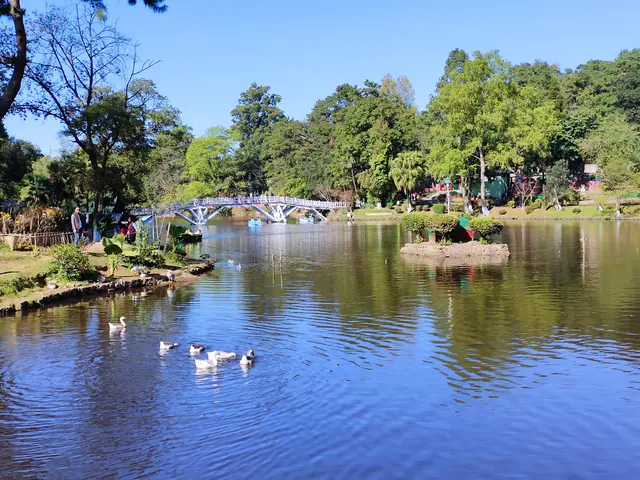
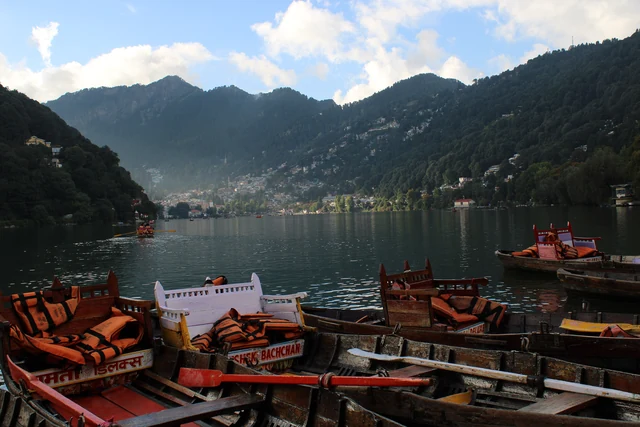
The Happy Valley Tea Estate, about 3 km north of the town and about 11 minutes by road on our routing. Only one estate in Darjeeling is older than this one, founded in 1854, and Wikipedia says it reopened to the public in 2008 with its old factory kept as a museum. We have no verified hours.
The leaves are plucked from March to November in four flushes. Wikipedia says the first flush, after the winter rest, gives a light, floral tea; the second flush gives the muscatel flavour the tea is known for; the monsoon flush is plainer and often blended; and the autumn flush is like a softer second flush.
Archibald Campbell planted the first tea in Darjeeling in 1841, and the East India Company laid out experimental gardens at Tukvar, Steinthal and Alubari in 1852. The first gardens run for profit opened in 1856; by 1866 there were 39 and by 1885 about 100. Darjeeling tea is now a registered geographical indication.