
Temi Tea Garden — Sikkim's only tea garden, on the slopes below Tendong
What it is
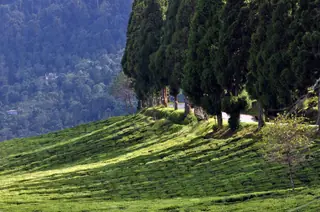
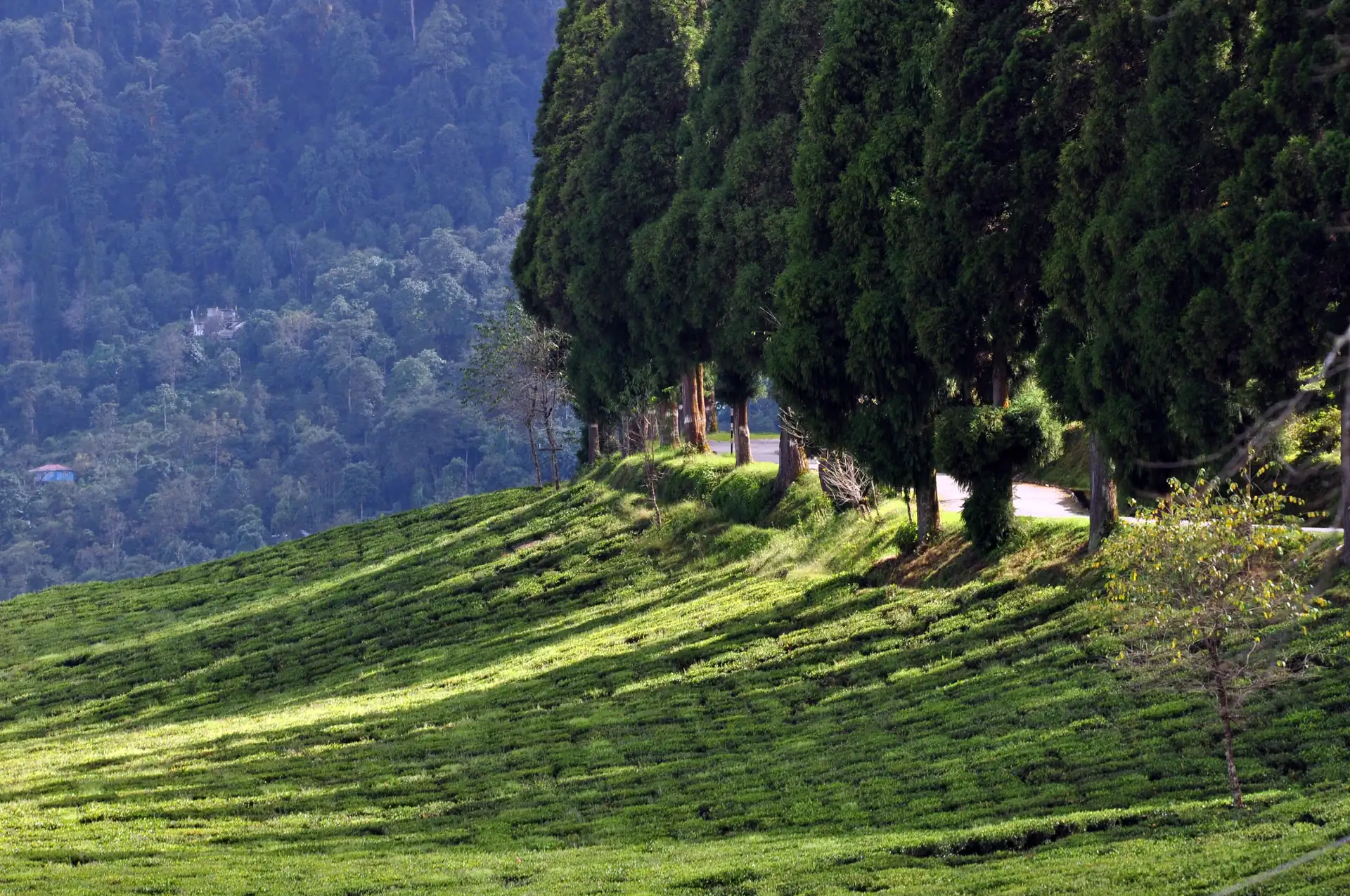
The Temi Tea Garden is the only tea garden in Sikkim, about 21.7 km and 41 minutes from Namchi on our routing. Its bushes cover about 177 hectares of gentle slopes that come down from the Tendong hill range.
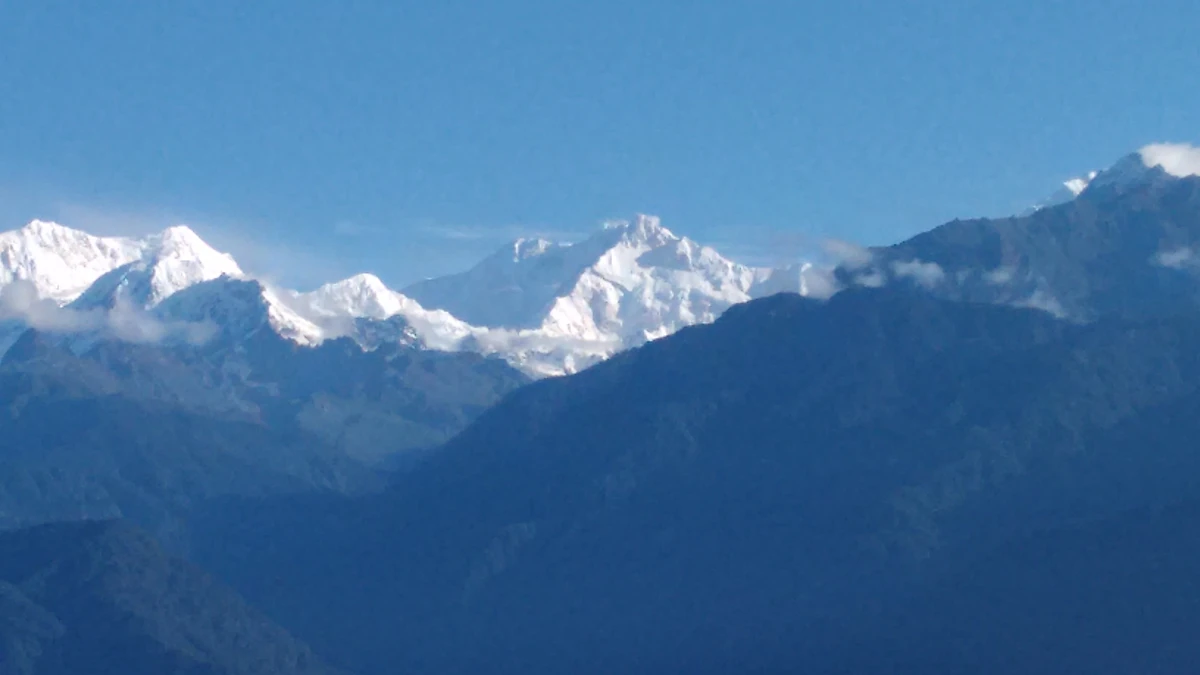
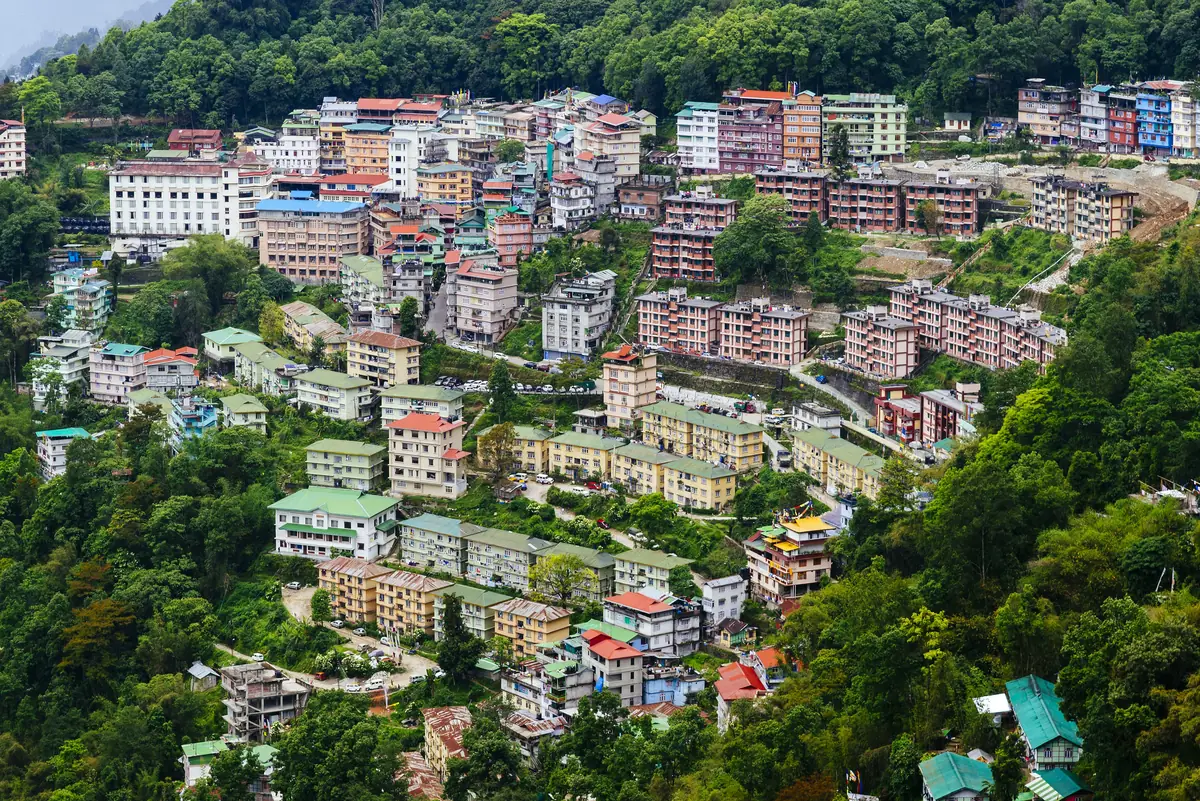
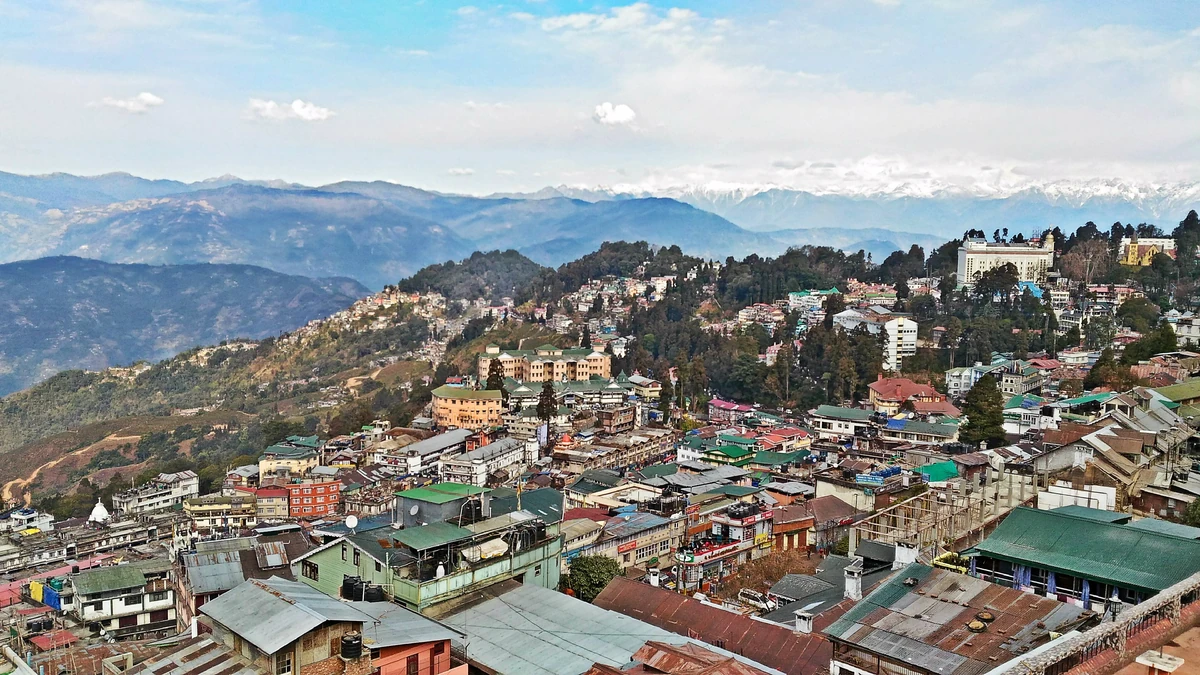
Photos: Vikramjit Kakati (CC BY-SA 3.0) — via Wikimedia Commons, resized.
Its story
Wikipedia says the garden was set up in 1969 by Palden Thondup Namgyal, the last king of Sikkim; the Namchi article gives 1965. Before it, the land was a Sherpa village with forest nurseries around a Scottish missionary building of the early twentieth century, which the Government of Sikkim took over in 1954. Today about 406 workers produce some 100 tonnes of tea in an average year, sold partly as Temi Tea, and the garden has worked to organic guidelines since a project begun in April 2005.
Visiting
We have no verified visiting hours, tours or charges; ask in Namchi or Ravangla before you go.
Combine it with
The two-day plan gives the garden the second morning, with the Buddha Park at Ravangla after it. Read things to do in Namchi.
Plans that include this
All 1 plans that stop here →
Nearby places
All of Namchi →
Nearby destinations
All destinations →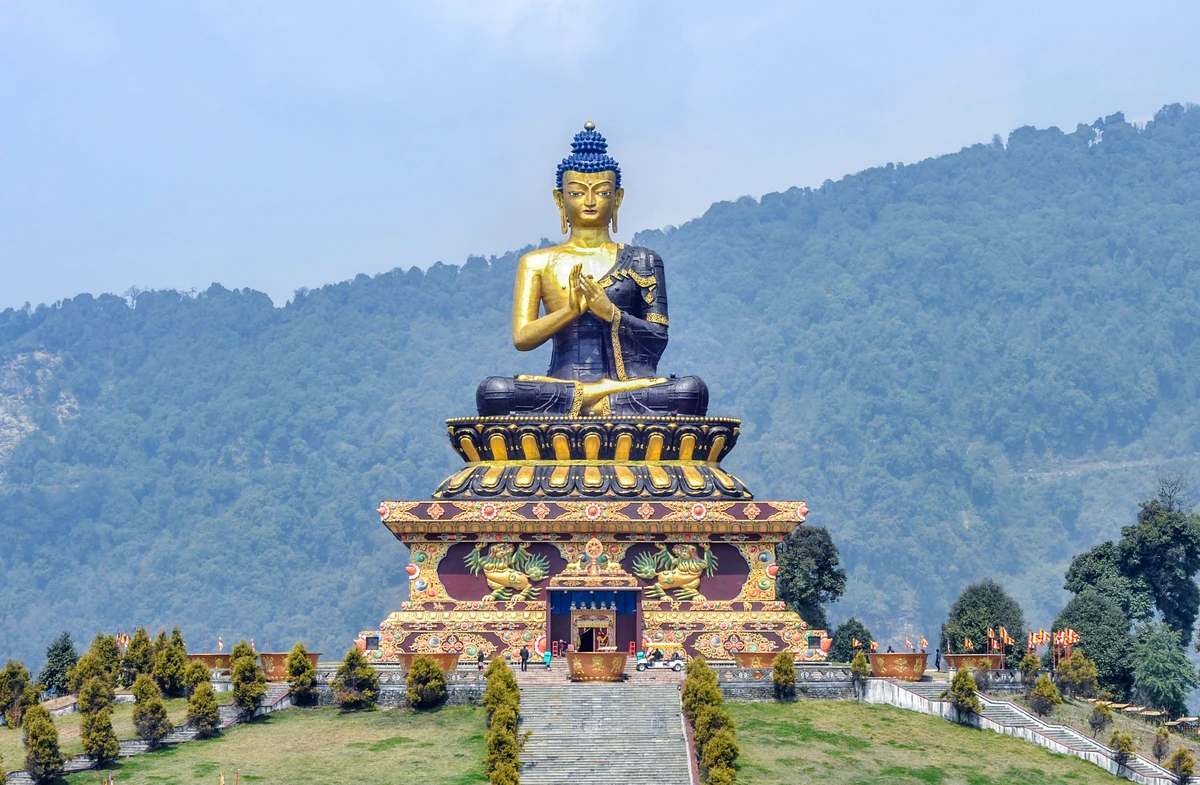
Questions people ask
Is Temi the only tea garden in Sikkim?
Yes, by Wikipedia's account. It was set up in 1969 by Palden Thondup Namgyal, the last king of Sikkim, though the Namchi article gives 1965. Its tea is sold partly as Temi Tea, and the garden has followed organic guidelines in a project begun in April 2005.
How far is the Temi Tea Garden from Namchi?
About 21.7 km and 41 minutes by road on our routing. The Buddha Park at Ravangla is in the same direction, so the garden fits well on a day between Namchi and Ravangla, or on the way to Pelling. We have no verified visiting hours.
How big is the Temi Tea Garden?
About 177 hectares (440 acres), laid over gentle slopes that come down from the Tendong hill range, by Wikipedia's account. It employs 406 workers and a staff of 43 and produces about 100 tonnes of tea in an average year. An old missionary building of the early 1900s stands in the estate.