
Best time to visit Cherrapunji — month by month, from the rain figures
The best time to visit Cherrapunji, month by month from the IMD normals: a very wet monsoon, a dry cool winter and when the waterfalls and views work best.
Cherrapunji is a base for waterfalls, valleys and living root bridges, with the weather as the main character.
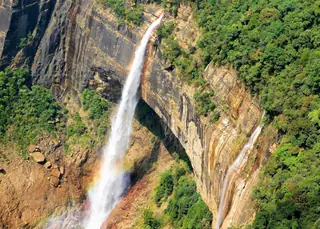
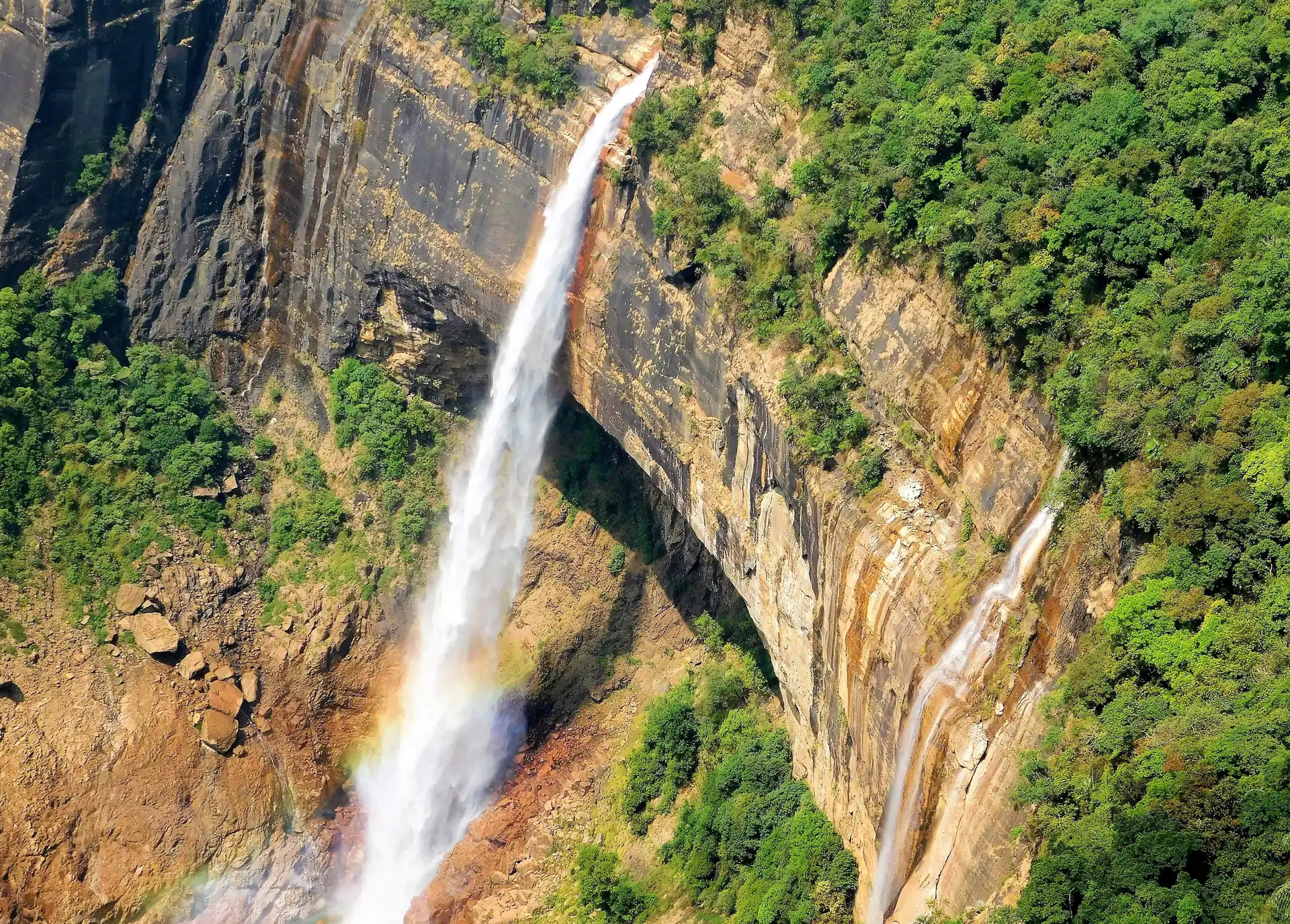
Nohkalikai Falls is 340 m, the tallest plunge waterfall in India, and the Nohsngithiang Falls, the Seven Sisters, run in seven segments only in the rains. Wikipedia also names the Dain Thlen Falls nearby.
The villages around the town grow living bridges from the roots of rubber fig trees; the oldest still in use is over 500 years old by Wikipedia's account. Our guide to the living root bridges says what they are and what we cannot yet verify, including routes and walking times.
Wikipedia lists viewpoints, caves, rivers and valleys among the places visitors take from Cherrapunji. The Mawkdok Dympep viewpoint looks over a deep valley, and the caves are limestone ones in the hills nearby. We have no verified opening hours or entry rules.
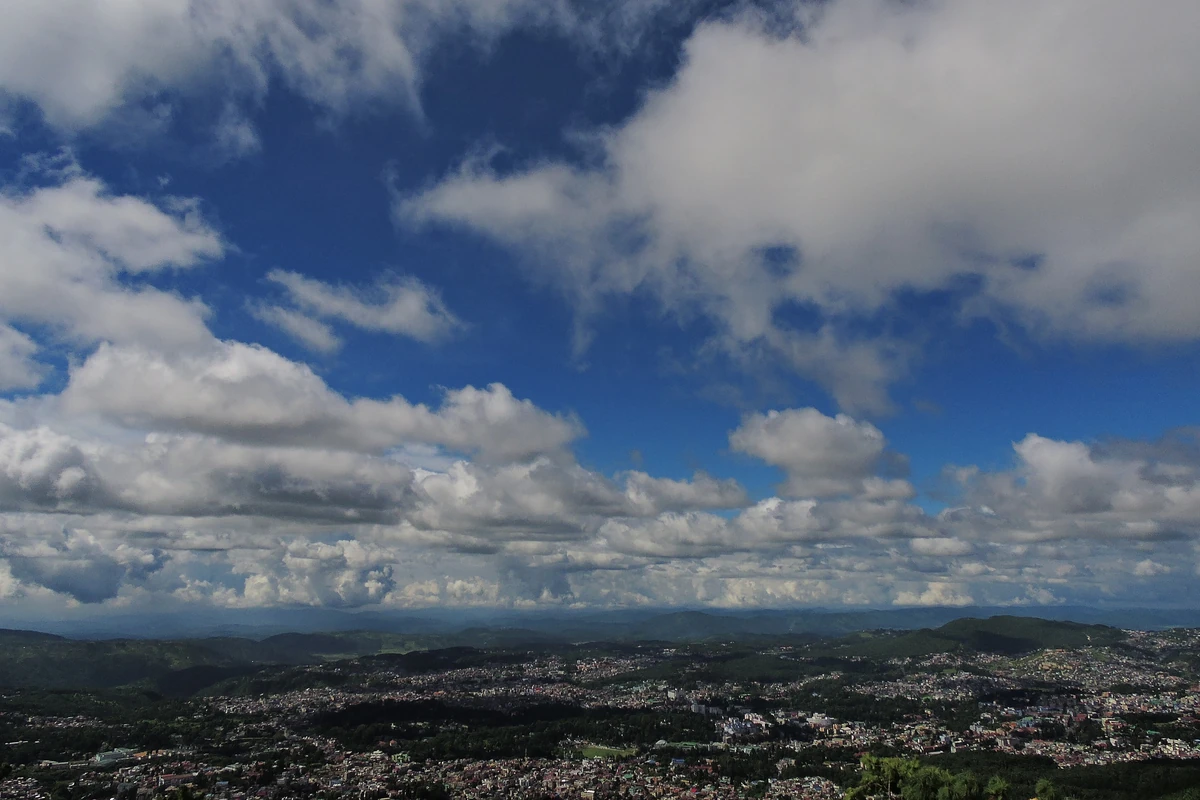
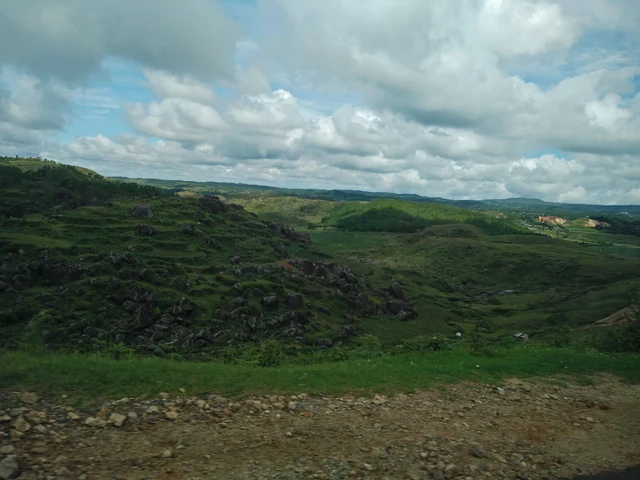
Monsoon clouds from the Bay of Bengal cross the plains of Bangladesh and then meet the Khasi Hills, which rise abruptly, so the deep valleys push the clouds upward and the rain follows.
Copy the one-day plan, and read when to visit Cherrapunji and how to reach Cherrapunji. For Mawlynnong and Dawki, see the Shillong day trip.
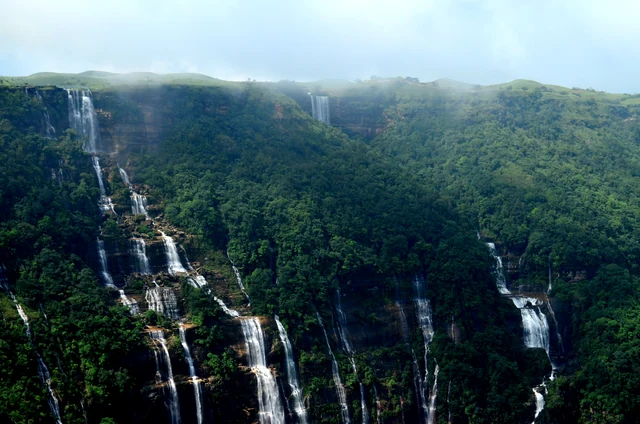
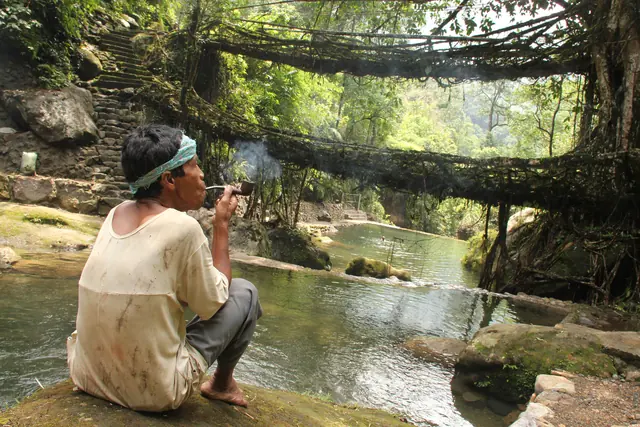
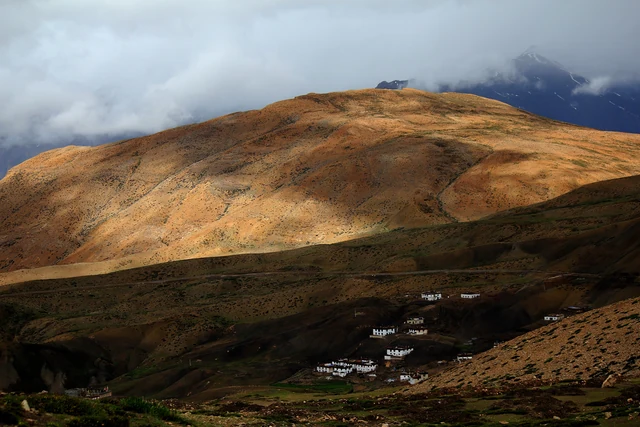
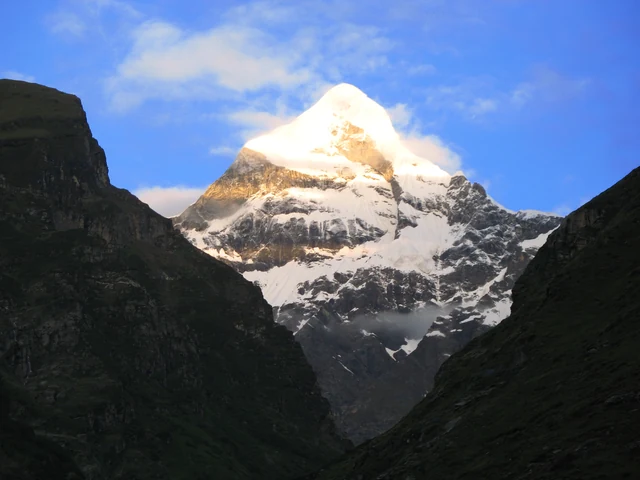
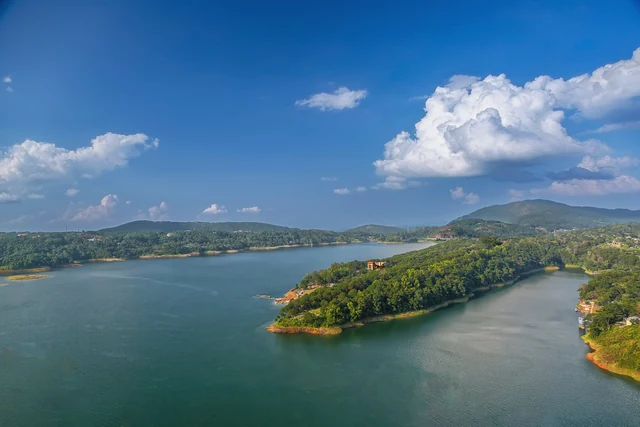
See Nohkalikai Falls, the tallest plunge waterfall in India, and the Seven Sisters Falls, and the valley viewpoints. The living root bridges of the nearby villages are the other great draw, though we cannot verify a route or time for them. Cloud and rain decide the views, so keep a margin and a rain jacket.
Wikipedia says the monsoon clouds from the Bay of Bengal cross the plains of Bangladesh and then hit the Khasi Hills, which rise abruptly to about 1,370 metres within 2 to 5 km; deep valleys funnel the clouds up the slopes. Rain also falls in winter from the northeast monsoon, with November to February driest.
If you want clear mornings at the viewpoints, yes: cloud often builds through the day. Most visitors come up from Shillong, about 88 minutes by road on our routing, for the day. We have no verified lodging, so ask in Cherrapunji, and book a local guide if you want to walk to a root bridge.